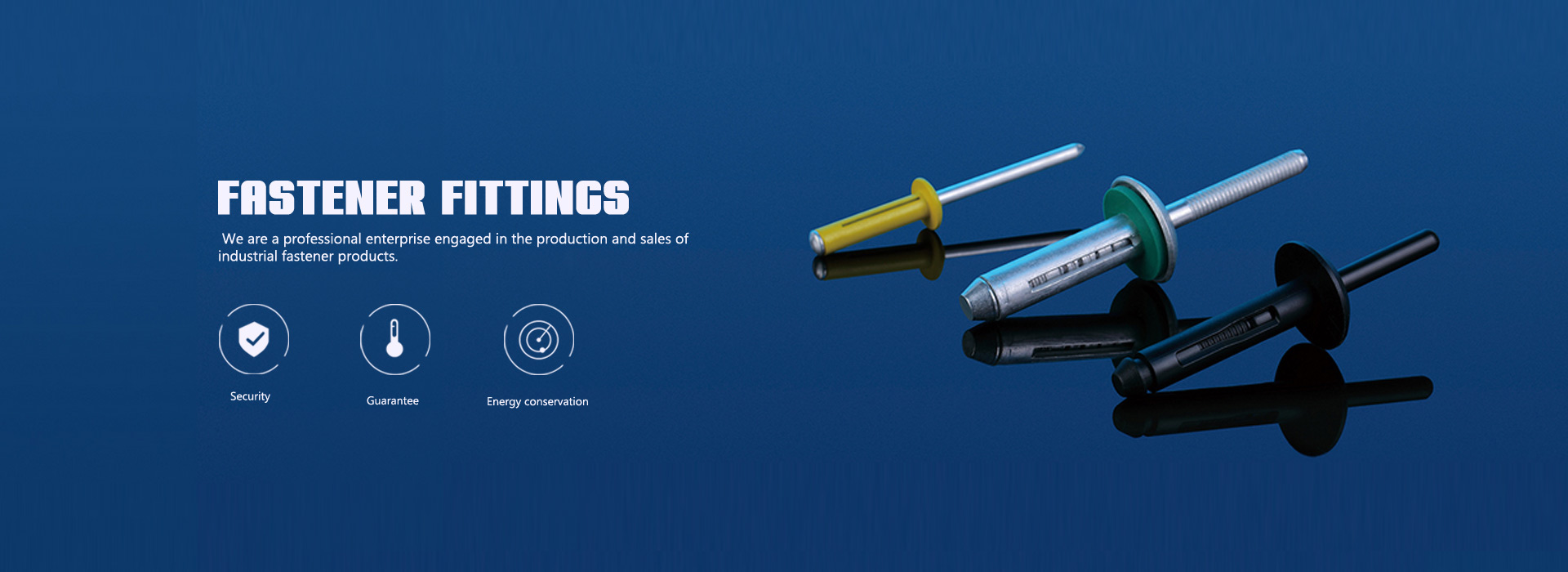
Fastener Fittings

Featured Products

New Products

News

  • Why Does My Hex Head Self Drilling Roofing Screw Reduced No.1 RAL Painting Show Color Fading After Only 6 Months

    You installed a premium metal roof, chose the correct fasteners, and within half a year, your Hex Head Self Drilling Roofing Screw Reduced No.1 RAL Painting looks dull, chalky, or visibly lighter than the day it was driven in. This frustration is common across job sites from Florida to Dubai. At Runyee, we receive this exact complaint weekly. The short answer: fading is rarely a single-factor failure. It is a chain reaction involving coating chemistry, installation technique, and environmental aggression. Understanding each link helps you specify, install, and maintain your Hex Head Self Drilling Roofing Screw Reduced No.1 RAL Painting correctly—and avoid costly rework.

  • Can Reducing Tee Stainless Steel Grooved Press Fittings Handle High-Pressure Steam Applications Safely

    High-pressure steam systems demand uncompromising safety, material integrity, and joint reliability. For engineers and procurement specialists, the question is not merely about pressure ratings—it is about long-term performance under thermal cycling, vibration, and corrosive condensate. Reducing Tee Stainless Steel Grooved Press Fittings have gained traction in commercial HVAC, petrochemical, and marine piping, but can they truly handle the brutal environment of high-pressure steam? This blog examines the metallurgical, mechanical, and installation factors that determine their suitability, with practical insights from Guangfeng, a manufacturer with over 15 years in pressed fitting technology.

  • What Makes Din Standard Hex Head Bolts Essential in Modern Engineering?

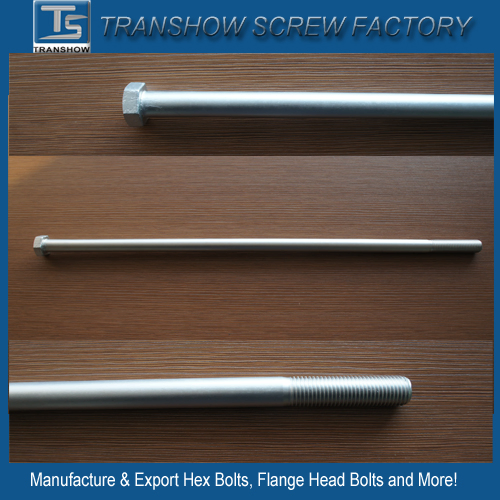
    ​In modern mechanical and construction industries, fasteners play a critical role in ensuring structural integrity, safety, and long-term durability. Among them, Din Standard Hex Head Bolts stand out as one of the most widely used and trusted fastening solutions worldwide. Manufactured according to strict DIN (Deutsches Institut für Normung) specifications, these bolts are designed to deliver consistent performance, precise dimensions, and excellent mechanical strength.

  • How Do You Accurately Measure the Center-to-End Dimension of a Stainless Steel Long Radius Elbow

    For piping engineers, procurement specialists, and fabrication workshops, the center-to-end dimension of a Stainless Steel Long Radius Elbow is not a optional measurement—it is a critical tolerance that determines whether a spool piece fits, whether stress calculations hold, and whether a system passes hydrostatic testing. At HengDi, we handle thousands of Stainless Steel Long Radius Elbow orders annually, and the single most common field error is misinterpreting or mismeasuring this dimension. This guide walks through the professional method, the math, the tools, and the pitfalls.

  • What Makes Magnetic Float Ball 0.9inch Essential in Modern Fluid Control Systems?

    ​In modern industrial automation and liquid level control systems, precision and reliability are two core requirements that directly determine operational efficiency and safety. Among the many sensing components available today, the Magnetic Float Ball 0.9inch has become a widely adopted solution due to its compact size, stable magnetic response, corrosion resistance, and long service life. Whether used in chemical processing, water treatment, automotive systems, or household appliances, this small yet powerful component plays a critical role in detecting and controlling liquid levels with high accuracy.

  • Which Facing Type Works Best with a 304 Neck Butt Welding Flange in High-Pressure Pipelines

    Selecting the correct facing type for a 304 Neck Butt Welding Flange is not a trivial decision—it directly impacts seal integrity, bolt load distribution, and long-term service life in high-pressure systems. For engineers and procurement specialists working with critical pipelines, the wrong facing choice can lead to costly leaks, unplanned shutdowns, or even catastrophic failures.

  • What Size Phillips Countersunk Flat Head Chipboard Screw Should I Use for 18mm Plywood

    For professional cabinetmakers, furniture builders, and DIY enthusiasts, the Phillips Countersunk Flat Head Chipboard Screw remains a top choice due to its self-centering drive and flush-finish head. However, size selection depends on material thickness, pilot hole strategy, and application stress. This guide provides data-driven answers, and we at Runyee have engineered our fasteners to meet these exact specifications.

  • Why Do Four Fins on a Dome Head Timber Bolt Improve Grip in Softwood

    When securing structural joints in softwood, the choice of fastener directly determines load capacity and long-term stability. The Timber Bolts Dome Head With Four Fins from JOIN have become a preferred solution for framers and engineers, primarily because of their unique four-fin geometry. Unlike standard smooth-shank bolts or even standard coach screws, these fins actively engage with wood fibers to create a mechanical interlock that resists pull-out and rotation. But why exactly do four fins outperform other designs in soft species like pine, spruce, or cedar? The answer lies in wood anatomy, friction mechanics, and stress distribution.

Leave Your Message

  • Click Refresh verification code