
Why Is Ring Forging Essential in Modern Piping Solutions?
2026-04-09
Ring Forging has long been a cornerstone in manufacturing durable and high-performance flanges, pipes, and fittings. At its core, ring forging involves shaping metal into a ring form through compressive forces, creating products that can withstand extreme pressures, temperatures, and mechanical stresses. For industries ranging from oil and gas to power generation, the integrity of components like flanges often relies on the precision and strength offered by ring forging.
Unlike traditional casting, ring forging enhances the material properties of metals, reducing the likelihood of internal defects while improving toughness and fatigue resistance. The process is particularly favored for producing large-diameter components where reliability is critical. Companies like Jiangyin Huaxi Flange Pipe Fittings Co., Ltd. leverage advanced ring forging techniques to ensure their products meet international standards such as ASME, API, and ISO.
What Is Ring Forging?
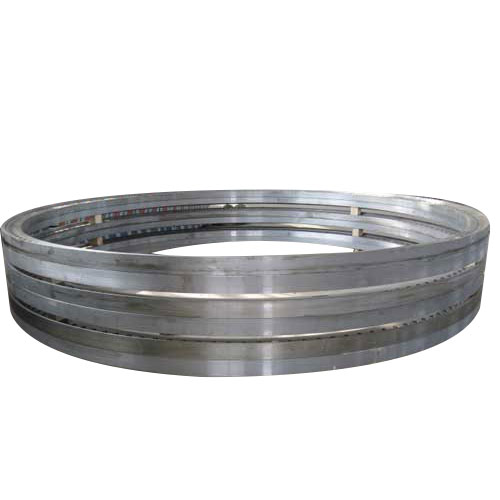
Ring forging is a metalworking process where a solid round metal piece is transformed into a hollow ring shape through controlled compression. This process improves mechanical properties like tensile strength, hardness, and impact resistance. The resulting rings serve as the basis for flanges, pipe fittings, and other critical components in high-pressure and high-temperature environments.
Key Features of Ring Forging:
| Feature | Description |
|---|---|
| Material Integrity | Eliminates porosity and internal voids |
| Strength | Higher yield and tensile strength compared to casting |
| Reliability | Consistent dimensions and superior fatigue resistance |
| Versatility | Can produce small to large diameter rings with complex designs |
How Ring Forging Works
The ring forging process typically includes the following stages:
- Billet Preparation – A cylindrical metal billet is cut to the required weight and heated to a specific forging temperature.
- Punching or Piercing – A hole is created in the center of the heated billet to form the initial ring shape.
- Rolling or Upsetting – The ring is mechanically expanded and compressed to achieve the desired dimensions and wall thickness.
- Heat Treatment – Post-forging, the ring undergoes heat treatment to relieve internal stresses and optimize mechanical properties.
- Finishing – Final machining ensures tight tolerances and smooth surfaces suitable for welding or assembly.
Ring Forging vs. Other Manufacturing Methods
Choosing the right manufacturing method depends on application demands. Below is a concise comparison:
| Method | Pros | Cons |
|---|---|---|
| Ring Forging | High strength, excellent fatigue resistance, reliable for high-pressure applications | Higher production cost, longer lead time |
| Casting | Low cost, suitable for complex shapes | Lower mechanical properties, risk of porosity |
| Welding/ Fabrication | Flexible design, easy to modify | Less consistent material properties, potential weak points |
Ring forging consistently outperforms other methods when durability, safety, and long-term reliability are priorities.
Applications and Benefits
Ring forging is widely applied in industries where safety and performance are critical:
- Oil & Gas: Flanges, large-diameter pipes, and fittings that endure high pressure and corrosive environments.
- Power Plants: Steam and gas turbine components, boiler flanges, and pressure vessels.
- Petrochemical & Chemical: Corrosion-resistant rings for aggressive chemical processes.
Key Benefits:
- Superior mechanical properties and fatigue resistance
- High dimensional accuracy and consistency
- Reduced risk of material defects
- Long service life in extreme conditions
Quality Standards in Ring Forging
Companies like Jiangyin Huaxi Flange Pipe Fittings Co., Ltd. ensure that their ring forging products meet rigorous international standards:
- ASME B16.5 – Pipe Flanges and Flanged Fittings
- API 6A – Wellhead and Christmas Tree Equipment
- ISO 9001 – Quality Management System
Compliance guarantees safety, reliability, and global acceptance of ring-forged components.
Tips for Choosing a Ring Forging Supplier
- Technical Expertise – Ensure the supplier has experience with high-grade alloys and complex sizes.
- Quality Assurance – Look for certifications, testing reports, and adherence to industry standards.
- Production Capacity – Confirm that the supplier can meet your volume and delivery schedule.
- Customer Support – Reliable after-sales service is crucial for handling urgent industrial needs.
FAQs
Q1: Why is ring forging stronger than casting?
A: Ring forging compresses the metal grain structure, eliminating voids and enhancing mechanical properties like tensile strength and fatigue resistance.
Q2: Can ring forging produce very large diameter components?
A: Yes, advanced ring forging equipment can handle small to extra-large rings for flanges and fittings.
Q3: Is ring forging suitable for corrosive environments?
A: Absolutely. Materials like stainless steel and alloy steel can be ring-forged to resist corrosion and maintain structural integrity.
Q4: How long is the typical lead time for ring-forged components?
A: Lead time depends on size, material, and heat treatment requirements, typically ranging from 4 to 12 weeks.
In conclusion, ring forging is indispensable for modern piping and industrial applications. Its ability to deliver strength, reliability, and long-term performance makes it the preferred method for high-stakes industries. If you are seeking premium-quality flanges and pipe fittings, Jiangyin Huaxi Flange Pipe Fittings Co., Ltd. provides professional solutions backed by years of experience and international quality standards. Contact us today to discuss your ring forging needs and secure components that ensure operational safety and durability.