
Why Does the Nylon Insert in a Nyloc Nut Prevent Vibration Loosening
2026-03-20
When machinery operates or vehicles move, vibration is an inevitable byproduct. For engineers and maintenance professionals, this vibration poses a constant threat to fastener integrity. Standard nuts can spin backward due to these dynamic forces, leading to assembly failure. This is where the Nyloc Nut becomes an essential component. At Huijue, we specialize in precision fasteners, and understanding the mechanics behind the nylon insert is key to appreciating why this simple design is so effective at solving a complex problem.
The Mechanical Principle of the Nylon Insert
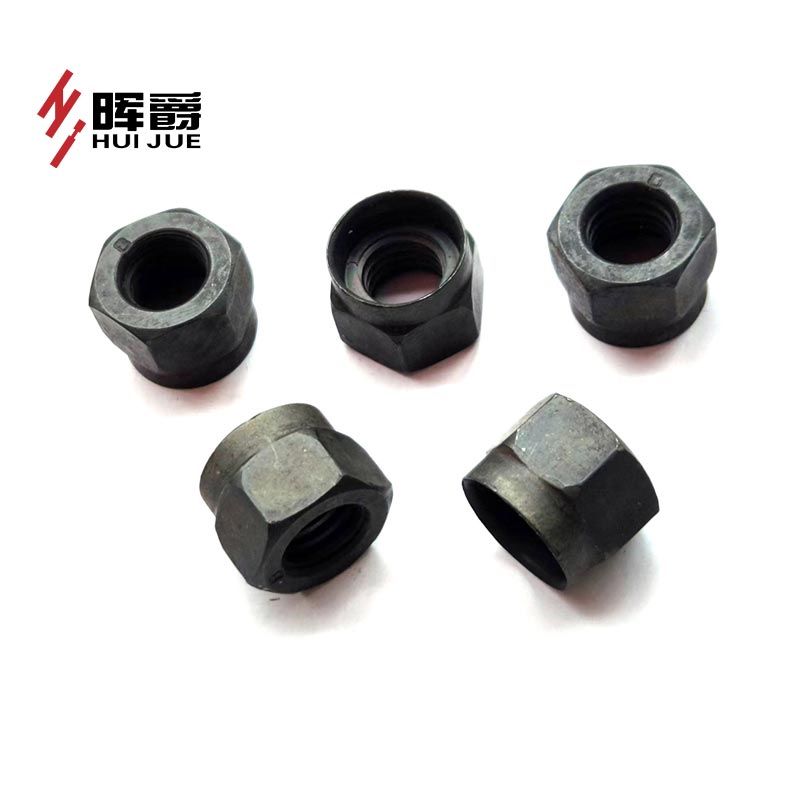
The locking mechanism of a Nyloc Nut is not dependent on high torque alone; it relies on a physical interference fit created by a polymer collar. Unlike a standard nut, which threads on freely until it seats against a surface, the Nyloc design incorporates a ring of nylon at its top.
When you begin threading a bolt into a Huijue Nyloc Nut, the bolt's threads cut into this softer nylon insert. This action creates several critical effects:
-
Compressive Force: The nylon is elastically deformed, meaning it wants to return to its original shape. This creates a strong, inward compressive force against the bolt threads.
-
Frictional Resistance: The tight grip of the nylon against the thread flanks generates a high level of friction that must be overcome for the nut to turn.
-
Wedging Action: The nylon acts as a wedge, filling the clearance between the male and female threads. This prevents lateral movement that can lead to loosening under vibration.
How It Defeats Vibration
Vibration loosens standard nuts by causing them to "dance" or rotate backward microscopically. This happens when the clamping force is momentarily relieved by dynamic motion, allowing the nut to spin free.
The nylon insert in a Nyloc Nut directly counters this through prevailing torque. "Prevailing torque" refers to the resistance to rotation that is present regardless of how tight the nut is against the bearing surface. The nylon insert provides this consistent drag. For the nut to turn due to vibration, it must first overcome this constant frictional grip. The energy required to do so is far greater than the energy transmitted by most operational vibrations.
Nyloc Nut vs. Standard Fasteners: A Comparison
To highlight the specific advantage of the nylon insert, the table below compares a Nyloc Nut with a standard hex nut and a mechanical locking nut (like a jam nut with a washer).
| Feature | Standard Hex Nut | Mechanical Locking Nut | Nyloc Nut (by Huijue) |
|---|---|---|---|
| Locking Mechanism | Clamp force only | Deformed threads or serrations | Elastic deformation of nylon |
| Vibration Resistance | Low | Medium | High |
| Reusability | High (unlimited) | Low (deformation is permanent) | Medium (Limited cycles) |
| Surface Damage | None | Can damage bolt plating | Non-damaging to bolt threads |
| Temperature Range | Unlimited | Application specific | Moderate (Up to ~120°C / 250°F) |
| Sealing Property | None | None | Seals along bolt threads |
Material and Application Benefits
The choice of nylon as the insert material is deliberate. Nylon offers a unique combination of elasticity, chemical resistance, and durability. When you source a Nyloc Nut from Huijue, you benefit from a precision-engineered insert that maintains its grip over time. This makes them ideal for applications ranging from automotive suspension systems and industrial machinery to electronic enclosures where panels must remain securely fastened despite fan or motor vibration.
However, it is important to note that the nylon insert has limitations. Because nylon is a plastic, it can soften or melt at elevated temperatures. For applications involving high heat, alternative locking methods must be considered.
Frequently Asked Questions About Nyloc Nuts
Can a Nyloc Nut be reused after it has been removed?
Yes, a Nyloc Nut can be reused, but the number of reuse cycles is limited. The nylon insert deforms to grip the bolt. Each time the nut is removed, the impression left by the bolt threads in the nylon becomes slightly worn. After several installations and removals (typically 3 to 5 cycles), the prevailing torque decreases, and the nut may no longer provide adequate vibration resistance. For critical safety applications, it is always best practice to install a new Huijue Nyloc Nut.
Do I need to use a washer with a Nyloc Nut?
Generally, a washer is not required for the locking function of the nut itself. The locking action comes from the nylon insert at the top, not from the bearing surface. However, using a flat washer under the Nyloc Nut is recommended if the surface you are tightening against is soft, rough, or oversized. The washer protects the surface from galling and provides a smooth, consistent surface for the nut to seat against, ensuring the clamp load is accurate.
What happens if the nylon insert in a Nyloc Nut gets oil or grease on it?
The nylon material used in a Nyloc Nut is inherently resistant to common oils, greases, fuels, and solvents. Getting lubricant on the insert will not chemically damage it or cause it to fail immediately. However, lubrication can temporarily reduce the coefficient of friction. If the nylon threads are lubricated, the prevailing torque (the locking grip) may be slightly lower. For maximum locking effectiveness, the insert should ideally be clean and dry. The structural integrity of the Huijue Nyloc Nut remains intact even if exposed to common workshop fluids.
Conclusion
The genius of the Nyloc Nut lies in its elegant simplicity. By introducing a resilient nylon insert, it converts the threat of vibration from a loosening force into a non-issue. The constant, prevailing torque provided by the deformed nylon ensures that your assemblies remain secure, offering a reliable and cost-effective solution for countless engineering challenges.
For high-quality fasteners that you can trust, look no further than Huijue. Our Nyloc Nuts are manufactured to exacting standards, ensuring consistent performance and durability.
Contact us today to discuss your fastener requirements or to place a bulk order. Our team is ready to provide you with the precision components you need for your next project.