
Why Choose Alloy Steel Machined Parts for High-Stress Applications?
2026-02-25
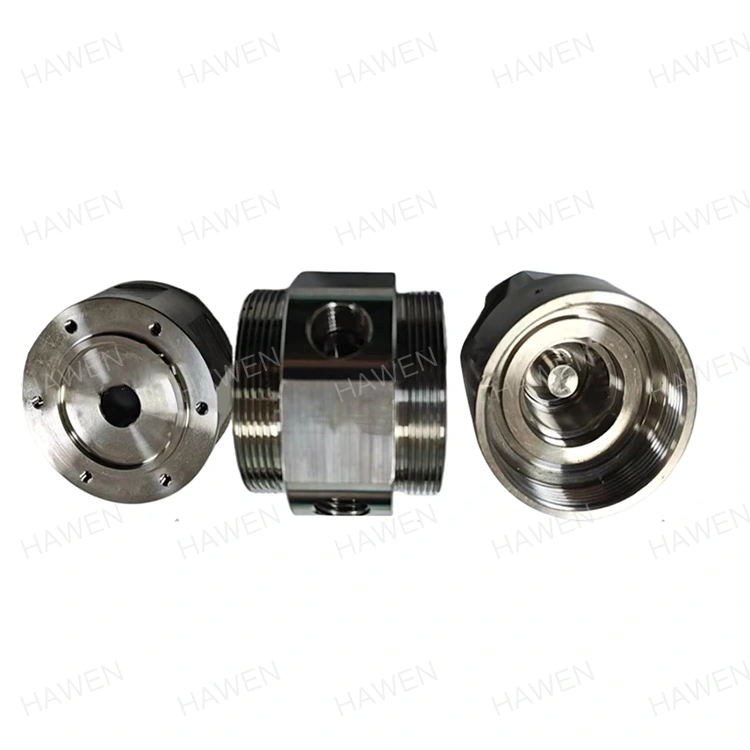
In the world of precision manufacturing, material selection can make or break a project. Engineers and procurement specialists constantly face the challenge of balancing performance, cost, and durability. When components are subjected to high stress, extreme temperatures, or corrosive environments, standard materials often fall short. This is where Alloy Steel Machined Parts emerge as the superior solution, offering a unique combination of strength, toughness, and wear resistance that carbon steel simply cannot match.
The Metallurgical Advantage
Alloy steel derives its exceptional properties from the intentional addition of elements beyond iron and carbon. These alloying elements transform the microstructure of the steel, enhancing specific characteristics tailored to demanding applications . Understanding how these elements contribute to performance is key to appreciating why Alloy Steel Machined Parts dominate industries like aerospace, automotive, and heavy machinery.
| Alloying Element | Primary Benefit | Common Application |
|---|---|---|
| Chromium | Increases hardness and wear resistance | Gears, bearings, rolling elements |
| Nickel | Enhances strength and toughness | Drive shafts, structural components |
| Molybdenum | Improves heat and shock resistance | Pressure vessels, high-temperature fasteners |
| Vanadium | Boosts corrosion resistance and strength | Aircraft components, springs |
| Manganese | Strengthens surface hardness | Excavator teeth, rail components |
| Chromium-Vanadium | Maximizes tensile strength while maintaining ductility | Hand tools, transmission parts |
Precision Machining Capabilities
While alloy steel offers remarkable material properties, transforming it into precision components requires expertise and advanced equipment. At Zhejiang Hawen Electromechanical Co., Ltd. , we combine metallurgical knowledge with state-of-the-art CNC machining to deliver Alloy Steel Machined Parts that meet the most exacting specifications.
Modern CNC technology allows us to achieve tolerances that would have seemed impossible a decade ago. For alloy steel components, typical precision capabilities include:
-
Standard Machining Tolerances: ±0.025mm for most features
-
Precision Tolerances: ±0.005mm for critical mating surfaces
-
Bore Tolerances: H6-H7 for bearing fits
-
Surface Finish: Ra 0.8-3.2 depending on functional requirements
-
Positional Accuracy: ±0.01mm for hole patterns
Common Alloy Steel Grades and Their Applications
Different applications demand different material characteristics. Here are some of the most widely used alloy steel grades in precision machining:
-
4140 Alloy Steel: Chromium-molybdenum steel with excellent strength-to-weight ratio. Ideal for axles, shafts, and gears. Through-hardening capability makes it suitable for components requiring uniform mechanical properties.
-
4340 Alloy Steel: Nickel-chromium-molybdenum composition offering superior toughness. Preferred for aircraft landing gear, heavy-duty shafts, and high-stress fasteners.
-
8620 Alloy Steel: Case-hardening grade that develops a wear-resistant surface while maintaining a tough core. Perfect for camshafts, ring gears, and pinions.
-
4135 Alloy Steel: Similar to 4140 but with lower carbon content for improved weldability. Commonly used in hydraulic fittings and structural components .
The Heat Treatment Factor
One of the most compelling reasons to select Alloy Steel Machined Parts is their response to heat treatment. Unlike carbon steel, alloy steels can be precisely heat-treated to achieve specific mechanical properties:
-
Annealing: Softens the material for improved machinability
-
Normalizing: Refines grain structure for consistent properties
-
Quenching and Tempering: Develops targeted hardness and strength
-
Case Hardening: Creates wear-resistant surfaces with tough cores
-
Stress Relieving: Eliminates residual stresses from machining
This heat treatability means that components can be machined in a softer state for efficiency, then hardened to meet final performance requirements.
Quality Considerations in Alloy Steel Machining
Producing consistent, high-quality Alloy Steel Machined Parts requires attention to factors beyond standard machining practices. Variations in material chemistry, grain size, and microstructure can significantly affect both machinability and final part performance . At Zhejiang Hawen Electromechanical Co., Ltd. , we address these challenges through:
-
Supplier Standardization: Sourcing materials from qualified mills with consistent melt practices
-
Incoming Inspection: Verifying chemistry and mechanical properties before production
-
Process Validation: Establishing proven machining parameters for each alloy grade
-
In-Process Monitoring: Tracking tool wear and dimensional stability during runs
-
Final Certification: Providing material test reports and dimensional inspections
Cost-Effectiveness Through Performance
While alloy steel carries a higher material cost than carbon steel, the total cost of ownership often favors alloy components. The enhanced mechanical properties translate directly into:
-
Longer Service Life: Reduced replacement frequency
-
Higher Load Capacity: Smaller components can handle greater stresses
-
Improved Reliability: Fewer unexpected failures
-
Design Flexibility: Thinner sections without sacrificing strength
-
Weight Reduction: Lighter assemblies in transportation applications
For critical applications where failure is not an option, the reliability of properly engineered Alloy Steel Machined Parts justifies the initial investment many times over.
Surface Finishing Options
To maximize the performance and longevity of alloy steel components, various finishing options are available:
-
Black Oxide: Provides mild corrosion resistance and attractive appearance
-
Electroless Nickel Plating: Offers excellent wear and corrosion protection
-
Hard Chrome Plating: Delivers exceptional surface hardness
-
Phosphate Coating: Improves lubricity and paint adhesion
-
Salt-Bath Nitrocarburizing: Enhances fatigue strength and wear resistance
Partnering for Success
Selecting the right manufacturing partner is as important as selecting the right material. Zhejiang Hawen Electromechanical Co., Ltd. brings decades of combined experience in precision machining of alloy steels. Our engineering team collaborates with customers during design phases, offering valuable input on material selection, tolerance optimization, and cost reduction strategies.
We understand that each application presents unique challenges. Whether you need prototypes for validation or production quantities for assembly lines, our facility is equipped to deliver Alloy Steel Machined Parts that exceed expectations.
Ready to discuss your next project? Contact Zhejiang Hawen Electromechanical Co., Ltd. today to speak with our engineering team. We'll help you select the optimal alloy steel grade, provide design feedback, and deliver precision-machined components that perform flawlessly in your application. Contact us for a competitive quote and discover why leading manufacturers trust us as their preferred machining partner.