
Why Are Powder Metallurgy Automotive Components Essential for Modern Vehicle Manufacturing?
2026-10-10
As automotive manufacturers pursue greater precision, durability, and production efficiency, material selection and manufacturing processes have become increasingly important. Powder Metallurgy Automotive Components offer a practical solution for producing complex metal parts with consistent dimensions and efficient material utilization. From transmission mechanisms to motor assemblies, these components support reliable vehicle operation while helping manufacturers manage production costs. For automotive brands, parts distributors, and industrial buyers, selecting a capable manufacturing partner is essential to achieving dependable quality and long-term supply stability.
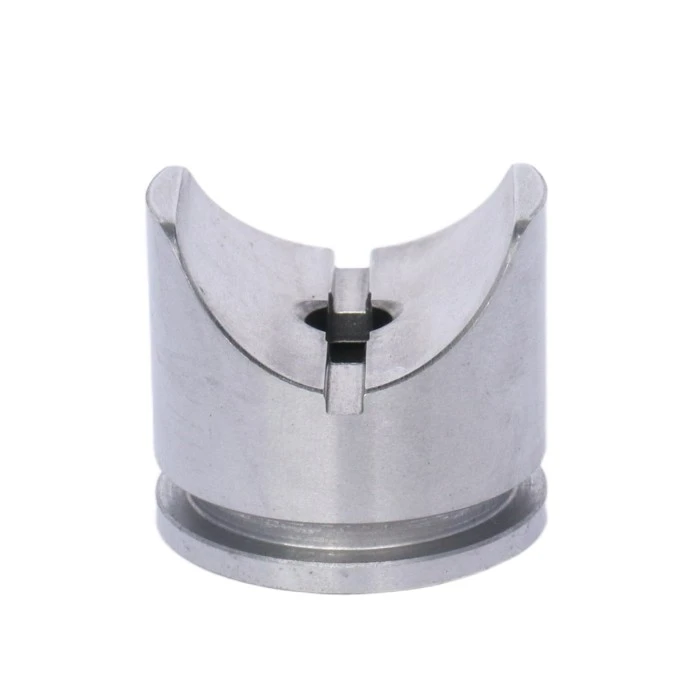
1. What Makes Powder Metallurgy Automotive Components Different?
Powder metallurgy is a manufacturing process that transforms metal powders into functional components through compaction and sintering. Metal powder is pressed into a designed shape and then heated under controlled conditions to bond the particles into a solid part.
Compared with conventional machining, powder metallurgy can produce near-net-shape components, reducing material removal and minimizing the need for extensive secondary processing.
Its key characteristics include:
-
Design flexibility: Supports intricate geometries and functional features.
-
Material efficiency: Reduces waste by forming components close to their final dimensions.
-
Production consistency: Helps maintain repeatable dimensions in high-volume manufacturing.
-
Cost control: Can lower unit costs when production volumes justify tooling investment.
-
Material customization: Different powder compositions can be selected according to strength, wear resistance, and other application requirements.
These advantages make powder metallurgy suitable for many automotive applications where dimensional consistency, mechanical performance, and manufacturing efficiency must work together.
2. Where Are Powder Metallurgy Automotive Components Used?
Automotive systems contain numerous small metal parts that must operate accurately under repeated movement, vibration, friction, and changing temperatures. Powder metallurgy can meet many of these requirements when the material and process are properly selected.
| Automotive application | Typical components | Main functional value |
|---|---|---|
| Transmission systems | Gears and hubs | Reliable power transmission |
| Engine and lubrication systems | Pump components and sprockets | Consistent mechanical operation |
| Electric motors | Selected structural and magnetic components | Compact design and functional efficiency |
| Seating and adjustment systems | Gears and drive mechanisms | Smooth, repeatable movement |
| Auxiliary mechanisms | Bushings, levers, and linkages | Wear control and dimensional consistency |
The suitability of each component depends on its load, operating temperature, required density, dimensional tolerances, and service environment. Parts exposed to extreme stress may require higher-density processing, additional heat treatment, or alternative manufacturing methods.
3. Why Are These Components Important for Automotive Performance?
Improving Mechanical Reliability
Automotive components must work together without excessive friction, premature wear, or dimensional instability. Properly engineered powder metallurgy parts can deliver consistent geometry and appropriate mechanical properties for their intended functions.
For moving assemblies, precision gears and bushings help maintain alignment and support stable operation. Reliable component performance also contributes to reduced maintenance requirements and improved product service life.
Supporting Manufacturing Efficiency
High-volume automotive production requires repeatable quality and predictable delivery schedules. Powder metallurgy can integrate multiple geometric features into a single component, reducing machining operations and simplifying certain assembly processes.
When tooling costs are distributed across sufficient production volumes, this approach can provide an attractive balance between manufacturing investment and unit cost.
Contributing to Lightweight and Efficient Designs
Automotive engineers continually evaluate component weight, material performance, and packaging constraints. By selecting suitable materials and optimizing part geometry, manufacturers can develop components that meet functional requirements without unnecessary material usage.
The final result depends on the specific design and material system; powder metallurgy is a manufacturing option rather than a guarantee of weight reduction or superior performance.
4. How Should Buyers Evaluate a Powder Metallurgy Supplier?
Choosing a supplier requires more than comparing quotations. Automotive buyers should assess technical capabilities, production stability, and the supplier's ability to meet project-specific specifications.
Consider these essential factors:
-
Material expertise: Confirm that the supplier can recommend appropriate powder compositions for the intended application.
-
Dimensional control: Review tolerances, inspection procedures, and measurement capabilities.
-
Mechanical performance: Establish requirements for strength, hardness, wear resistance, and fatigue life where applicable.
-
Production capacity: Ensure that tooling, equipment, and manufacturing schedules can support forecast demand.
-
Quality management: Request relevant inspection records, traceability arrangements, and applicable certifications.
-
Engineering communication: Evaluate whether the supplier can review drawings, identify manufacturing challenges, and support design improvements.
Providing detailed drawings, annual volume estimates, operating conditions, and acceptance criteria at the quotation stage helps suppliers assess feasibility more accurately.
5. How Does Ningbo XiaYi Electromechanical Tech Co., Ltd. Fit Your Sourcing Needs?
For businesses sourcing precision powder metal parts, cooperation with an experienced manufacturing partner can help connect engineering requirements with practical production solutions.
Ningbo XiaYi Electromechanical Tech Co., Ltd. is the company to contact for discussions about powder metallurgy manufacturing and automotive component sourcing. Buyers can prepare their technical drawings, material specifications, dimensional requirements, and expected order quantities to support a more focused project evaluation.
For OEMs, component distributors, and industrial procurement teams, a structured sourcing process can improve communication, clarify quality expectations, and support long-term supply planning.
When evaluating a potential partnership, buyers should confirm the supplier's current product range, available production processes, quality-control capabilities, lead times, and relevant industry experience before placing an order.
6. What Is the Difference Between Automotive Metal Parts and Acoustic Wall Panels?
An interlace leaf pattern acoustic wall panel and Powder Metallurgy Automotive Components serve entirely different purposes. Acoustic wall panels are designed primarily for architectural sound absorption and interior aesthetics, whereas powder metallurgy components are engineered for mechanical functions in automotive and industrial systems.
Understanding this distinction is important when organizing product categories, preparing technical specifications, and communicating with potential buyers. Each product should be evaluated using the performance criteria relevant to its intended application.
Conclusion: Build a More Reliable Automotive Supply Chain
Powder Metallurgy Automotive Components play an important role in modern manufacturing by combining near-net-shape production, material efficiency, and repeatable component geometry. Their value depends on selecting the right material, validating mechanical performance, and matching the manufacturing process to the application's requirements.
For businesses seeking a dependable sourcing solution, Ningbo XiaYi Electromechanical Tech Co., Ltd. can be a starting point for discussing project requirements and potential manufacturing cooperation.
Looking for a suitable powder metallurgy solution for your next automotive project? Prepare your drawings and technical specifications, and contact us to discuss your component requirements, production needs, and sourcing objectives.