
Article Summary:
Captive screws provide a practical solution when a screw must remain attached to a panel, cover, enclosure, bracket, or other component during installation and servicing. Unlike conventional removable screws, captive designs help prevent fasteners from falling, being misplaced, or becoming separated from the equipment. This article explains how captive screws work, the problems they solve, important design considerations, material and finish requirements, installation practices, common applications, and purchasing considerations. It also explains how engineers can evaluate captive screws according to thread requirements, retention method, head style, operating environment, access limitations, and maintenance frequency.
What Are Captive Screws?
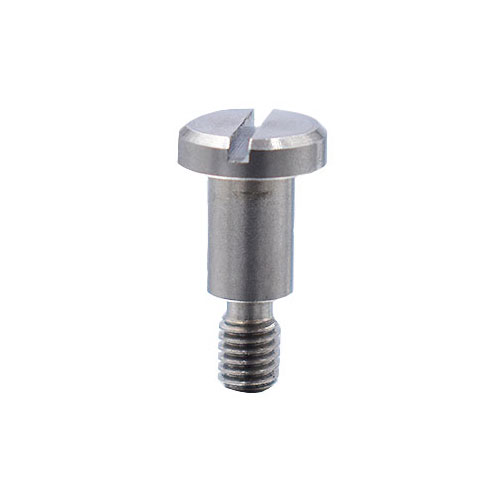
Captive screws are specialized fasteners engineered to remain physically attached to the component they secure. When the screw is loosened, it does not completely separate from the panel or assembly. A retention feature holds the screw in place while still allowing the secured component to be removed when necessary.
This design is particularly valuable for equipment that requires regular access. Imagine removing an electrical enclosure cover during maintenance. With ordinary screws, each fastener has to be completely removed and placed somewhere safe. A small screw can easily fall into machinery, disappear under equipment, or be installed incorrectly during reassembly. Captive screws eliminate much of this inconvenience by keeping the fastener associated with its intended mounting point.
The concept is simple, but its value becomes increasingly apparent in compact equipment, service-intensive machinery, electronic enclosures, control systems, and other products where maintenance time matters.
Why Captive Screws Matter in Practical Assembly
Fasteners are small components, but their effect on the overall assembly process can be significant. A conventional screw may perform its basic fastening function perfectly while still creating unnecessary maintenance problems.
The retention mechanism keeps the screw associated with the panel or component, reducing the chance of misplaced hardware during servicing.
Technicians can loosen the fastener without completely removing it, helping simplify repeated access to equipment.
Keeping fastening hardware attached to the correct location can reduce confusion during disassembly and reassembly.
Captive screws can therefore be considered not merely a fastening component but part of a broader assembly strategy. When equipment is frequently opened, serviced, inspected, or configured, retaining the fastener can save small amounts of time repeatedly. Over the service life of a product, those small savings can become meaningful.
How Do Captive Screws Work?
A captive screw normally combines a threaded fastening section with a retention feature. The screw is allowed to rotate and travel sufficiently to engage with its mating thread, but a specific component prevents it from becoming completely detached from the host panel.
Depending on the product design, retention may be achieved through a shoulder, retaining washer, collar, captive washer, specially formed shank, or another mechanical arrangement. The exact structure should be selected according to the panel thickness, required travel, mounting geometry, and intended service conditions.
The Basic Operating Sequence
- The screw is positioned in the panel or retained within the assembly.
- The screw is aligned with the mating threaded hole or insert.
- The screw is tightened until the panel is securely clamped.
- During maintenance, the screw is loosened without becoming completely separated from the panel.
- After servicing, the same screw can be returned to its original fastening position.
This mechanism is especially useful when the operator must repeatedly remove covers or access panels while keeping all hardware organized.
What Are the Main Benefits of Captive Screws?
1. Better Hardware Retention
The most obvious advantage is that the screw remains attached to the assembly. This is particularly useful when servicing equipment in confined or elevated locations where dropped hardware can be difficult to retrieve.
2. More Efficient Maintenance
Maintenance personnel do not need to completely remove and store every screw before accessing an enclosure. This can make routine inspection and repair work more straightforward.
3. Lower Risk of Incorrect Reassembly
When multiple screws are removed from different locations, there is always a possibility that fasteners can become mixed. Retained screws help preserve the relationship between the fastener and its mounting position.
4. Suitable for Repeated Access
Equipment such as control cabinets, electronic housings, machinery guards, instrument panels, and service covers may be opened many times throughout their operating life. Captive screws are particularly appropriate for these applications.
5. Cleaner Product Design
Captive hardware can support a more organized appearance and reduce the number of loose components that need to be handled during installation or maintenance.
Which Factors Should Be Evaluated Before Ordering?
Selecting captive screws should begin with the actual assembly conditions rather than simply choosing the most familiar screw size. Several technical factors can affect long-term performance.
| Factor | Why It Matters | Typical Consideration |
|---|---|---|
| Thread Size | Determines compatibility with the mating hole or insert. | Metric or imperial thread, pitch, diameter |
| Screw Length | Controls thread engagement and clamping position. | Panel thickness plus required engagement |
| Head Style | Affects clearance, appearance, tool access, and seating. | Pan, socket, Phillips, slotted, or other designs |
| Material | Influences strength, corrosion resistance, weight, and compatibility. | Carbon steel, stainless steel, brass, or other materials |
| Surface Finish | Helps address environmental and appearance requirements. | Zinc plating, black oxide, passivation, or other finishes |
| Retention Method | Determines how securely the screw remains attached to the panel. | Collar, washer, shoulder, or integrated retention feature |
Thread Compatibility
Thread compatibility is one of the first details to verify. A captive screw may have excellent mechanical properties but still be unsuitable if the thread does not match the mating component. Confirm thread diameter, pitch, thread form, and applicable dimensional requirements before production.
Panel Thickness
Panel thickness directly affects the required screw configuration and retention arrangement. A screw intended for a thin sheet may not perform correctly in a thicker enclosure, while excessive screw length can interfere with internal components.
Tool Accessibility
The head and drive type should match the available installation tool and surrounding space. If the screw is installed in a recessed location, a compact drive design may be more practical than a larger external-head configuration.
Environmental Conditions
Outdoor equipment, industrial machinery, marine-adjacent installations, humid environments, and chemically exposed systems may require different material or surface treatment choices than clean indoor applications.
Captive Screws vs. Conventional Screws
Conventional screws remain an excellent choice for many permanent or infrequently serviced fastening applications. The key difference is not that captive screws are universally stronger, but that they provide an additional retention function.
| Characteristic | Captive Screws | Conventional Screws |
|---|---|---|
| Remains attached after loosening | Yes, when properly retained | Generally no |
| Maintenance convenience | High for frequently accessed panels | Depends on handling and storage |
| Risk of misplaced screws | Lower | Higher during disassembly |
| Design complexity | May require panel and retention planning | Usually simpler |
| Best suited to | Service panels, covers, enclosures, removable components | General fastening applications |
For frequently serviced equipment, the additional retention function can justify the use of captive screws. For assemblies that are rarely opened, a standard screw may provide a simpler and more economical solution.
Where Are Captive Screws Commonly Used?
Captive screws are especially valuable wherever access panels, covers, guards, or removable components must be opened repeatedly.
- Electronic enclosures: Used to secure removable covers while keeping hardware attached to the enclosure.
- Control cabinets: Helpful when technicians need frequent access to internal electrical or control components.
- Industrial machinery: Suitable for removable guards, inspection panels, and service covers.
- Automation equipment: Useful for systems that require periodic adjustment, inspection, or component replacement.
- Instrumentation: Supports compact assemblies where loose screws can be difficult to handle.
- HVAC and mechanical equipment: Practical for access panels and covers that require regular servicing.
- Transportation equipment: Valuable where vibration, limited access, and repeated maintenance make loose hardware inconvenient.
- Consumer and commercial equipment: Useful where clean assembly and convenient service access are important.
The common theme across these applications is repeated access. If a panel is opened once during production and never touched again, captive retention may offer limited additional value. If the same panel is opened dozens of times during its service life, the benefits become much more compelling.
How Should Captive Screws Be Installed and Maintained?
1. Confirm the Mating Thread
Before installation, verify that the mating thread corresponds to the captive screw specification. Cross-threading can damage both the screw and the mating component.
2. Check Panel Alignment
The panel and mating hole should align naturally. Excessive side loading during tightening can place unnecessary stress on the screw or surrounding material.
3. Use the Correct Tool
Use the appropriate driver for the selected screw head. The tool should fully engage with the drive feature to reduce the risk of head damage.
4. Avoid Excessive Tightening
Over-tightening can damage threads, deform thin panels, or affect the retention mechanism. Where the assembly has a specified torque requirement, use an appropriate calibrated tool.
5. Inspect During Maintenance
During service operations, check for damaged threads, worn drive recesses, corrosion, deformation, or unusual movement of the retention feature. A captive screw should remain securely attached while still allowing normal operation.
6. Keep the Assembly Clean
Dirt, metal chips, coatings, or debris around the threads can affect engagement and torque behavior. Clean installation surfaces help promote consistent fastening.
What Should Buyers Check Before Purchasing Captive Screws?
A reliable purchasing process should look beyond unit price. The fastener needs to perform consistently within the complete assembly.
- Confirm the drawing or specification. Provide thread dimensions, screw length, head geometry, retention requirements, and tolerances whenever possible.
- Define the material requirement. Match the screw material to load, corrosion, temperature, and compatibility requirements.
- Specify surface treatment. Finish requirements can influence corrosion resistance, appearance, friction, and service life.
- Discuss application conditions. Explain whether the assembly is exposed to vibration, humidity, chemicals, temperature changes, or repeated servicing.
- Review dimensional consistency. For production assemblies, consistency from batch to batch is important because small dimensional differences can affect automated or repeated installation.
- Consider samples before volume production. Sample evaluation can reveal fit, tool access, retention behavior, and assembly issues before a large order is released.
Ningbo Frienden Precision Components Co., Ltd operates within the broader precision fastener and component field, where different materials, finishes, machining methods, and customized specifications can be important considerations for industrial customers. A clear technical specification helps connect the customer's actual application with an appropriate fastening solution.
Frequently Asked Questions About Captive Screws
Its primary purpose is to fasten a component while preventing the screw from becoming completely detached when loosened. This makes captive screws especially useful for removable panels, covers, and service components.
Not necessarily. Captivity is primarily a retention feature rather than a direct indication of tensile strength. Strength depends on the screw material, geometry, thread engagement, grade, installation conditions, and application requirements.
Many captive screw applications can be customized according to dimensions, thread type, head configuration, material, finish, and retention requirements. Customization should be discussed with the manufacturer using drawings or detailed specifications.
Material selection depends on the application. Stainless steel, carbon steel, alloy steel, brass, and other materials may be appropriate for different combinations of strength, corrosion resistance, weight, electrical characteristics, and cost.
They can be suitable for outdoor applications when the material and surface treatment are correctly matched to environmental exposure. Moisture, salt, chemicals, temperature changes, and corrosion risk should all be considered.
Start with the panel thickness, mating component geometry, required thread engagement, and retention mechanism. The screw must provide sufficient engagement without creating interference with components behind the mounting surface.
Yes, depending on the design. Automated assembly requires consistent dimensions, suitable drive geometry, predictable torque behavior, and compatibility with the installation equipment. These requirements should be considered during product selection.
They keep the fastener attached to the equipment during disassembly. This reduces loose hardware, simplifies reassembly, and can make repeated maintenance tasks more efficient.
Final Considerations: Choosing Captive Screws Around the Real Application
Captive screws solve a very practical problem: a fastening component needs to be removable without becoming a loose component. That capability can improve maintenance efficiency, reduce the risk of lost hardware, and simplify repeated access to equipment.
The best captive screw is not simply the one with the correct diameter and length. Engineers should consider the complete fastening environment, including thread compatibility, panel thickness, head style, retention method, material, surface finish, tool access, installation torque, vibration, corrosion exposure, and expected maintenance frequency.
For manufacturers and purchasing teams, providing accurate technical information at the beginning of the sourcing process can significantly reduce specification errors and unnecessary product revisions. Drawings, samples, dimensional requirements, material requirements, and application conditions all help create a more dependable fastening solution.
Whether the requirement involves a standard captive screw or a customized precision component, the focus should remain on consistent dimensions, reliable retention, appropriate materials, and compatibility with the finished assembly. When these factors are addressed together, a small fastening component can contribute substantially to the usability and serviceability of the final product.
Need the Right Captive Screw for Your Application?
The right fastener can make assembly easier, maintenance faster, and equipment more dependable. If you are sourcing captive screws for industrial equipment, enclosures, machinery, electronic assemblies, or customized applications, Ningbo Frienden Precision Components Co., Ltd can help you evaluate the required specifications and develop a suitable fastening solution.
Share your drawings, dimensions, material requirements, or application details and contact us to discuss your captive screw requirements.