
When should you replace a worn or cracked black plastic hub center ring
2026-04-24
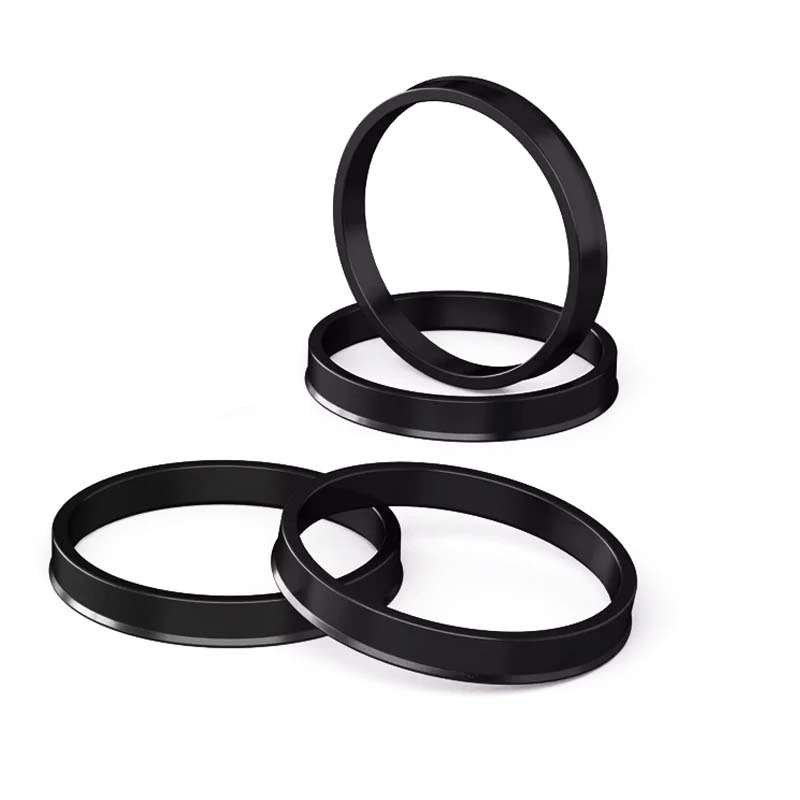
A black plastic hub center ring plays a critical role in ensuring your aftermarket wheels are perfectly centered on your vehicle’s hub. Over time, exposure to heat, vibration, and road debris can cause these rings to wear, crack, or deform. Knowing exactly when to replace a worn or cracked black plastic hub center ring not only prevents steering wheel vibration but also protects your wheel bearings and lug studs. At J&W, we manufacture precision-engineered hub rings designed for durability and exact fitment. This guide helps you identify the right replacement timing using professional indicators.
Key signs that replacement is due
| Condition | Symptom | Urgency Level |
|---|---|---|
| Visible crack | Fracture line on ring body | Replace immediately |
| Deformation | Ring no longer sits flush with hub | Replace within 100 miles |
| Hardening or brittleness | Surface feels rigid, no flexibility | Plan replacement soon |
| Melt or warp mark | Uneven color or texture near brake area | Immediate inspection needed |
| Loose fit | Ring moves easily by hand on hub | Replace before next long trip |
Professional replacement timeline
J&W recommends inspecting your black plastic hub center ring every 10,000 miles or during every tire rotation. Replacement is required when:
-
The ring shows any visible cracking or chunk loss.
-
The inner diameter no longer matches the hub snugly (more than 0.5mm play).
-
You feel persistent vibration between 50–70 mph after wheel balancing.
Black Plastic Hub Center Ring FAQ
Question 1: Can I drive temporarily with a cracked black plastic hub center ring?
Answer: Driving with a cracked black plastic hub center ring is not recommended for more than a few miles. A cracked ring cannot maintain concentric alignment between the wheel and hub. This leads to uneven lug nut torque, vibration, and potential stud fatigue. In extreme cases, the cracked pieces can break loose and lodge between the wheel and brake components. J&W advises immediate replacement at the first sign of a crack to avoid wheel detachment risk.
Question 2: How long does a black plastic hub center ring typically last under normal driving conditions?
Answer: A quality black plastic hub center ring from J&W typically lasts 50,000 to 70,000 miles under normal highway and city driving. Factors that shorten lifespan include frequent hard braking, high ambient temperatures, salted winter roads, and oversized wheels with low-profile tires. Regular visual inspection every oil change helps track gradual wear. Unlike metal rings, plastic rings absorb road vibration better but are more susceptible to thermal aging after 3–4 years of use.
Question 3: What is the correct procedure to replace a black plastic hub center ring without damaging the new part
Answer: To replace a black plastic hub center ring correctly, first clean the hub flange thoroughly using a wire brush and brake cleaner. Remove the old ring by hand or with a plastic trim tool - avoid metal pry bars that can scratch the hub. Apply a thin layer of anti-seize to the hub contact area only, not to the ring’s inner surface. Insert the new J&W black plastic hub center ring by pressing evenly from the center outward until it clicks into place. Never hammer directly on the ring. Mount the wheel and torque lug nuts in a star pattern to 80–100 ft-lbs depending on your vehicle. Test drive and re-torque after 50 miles.
Why choose J&W for hub centric rings
J&W uses high-grade heat-stabilized nylon composite for all black plastic hub center ring products. Every ring is CNC-tested for inner and outer diameter tolerance within 0.05mm. This precision eliminates false vibrations and ensures consistent centering across all four wheels.
Conclusion and contact us
Knowing when should you replace a worn or cracked black plastic hub center ring keeps your ride smooth and your wheel mounting safe. Do not ignore small cracks or loose fits. For direct sourcing, technical fitment verification, or bulk orders of premium black plastic hub center ring solutions, contact us via the J&W official website today.