
What Temperature and Pressure Ratings Should I Expect from Stainless Steel 316L Ferrules
2026-10-09
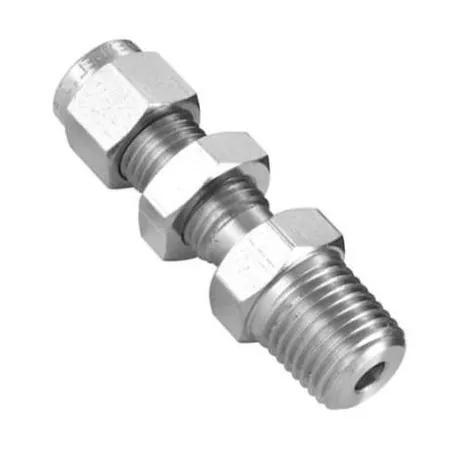
When specifying instrumentation tubing systems, engineers and procurement specialists frequently ask about the operating limits of Stainless Steel 316L Ferrule components. At JIDONGDA, we manufacture precision Stainless Steel 316L Ferrules designed to deliver reliable sealing performance across demanding industrial environments. Understanding the relationship between temperature, pressure, and material behavior is essential before selecting any ferrule for critical service.
Why 316L Material Properties Matter
Stainless Steel 316L Ferrule products benefit from the low-carbon composition of 316L stainless steel. The reduced carbon content minimizes carbide precipitation during welding and improves resistance to intergranular corrosion. This directly influences how a Stainless Steel 316L Ferrule performs under thermal cycling and aggressive media.
| Property | Typical Value for 316L |
|---|---|
| Tensile Strength | 485–690 MPa |
| Yield Strength (0.2%) | 170–310 MPa |
| Maximum Continuous Service Temperature | 800°F / 427°C (oxidizing), 1,500°F / 816°C (intermittent) |
| Hardness | 85–95 HRB |
| Corrosion Resistance | Excellent in chlorides, acids, marine atmospheres |
Temperature Ratings in Practice
Temperature affects both the mechanical grip of the ferrule and the sealing integrity at the tube interface. JIDONGDA recommends the following practical guidance:
-
-325°F to 800°F (-198°C to 427°C): Standard service range for most Stainless Steel 316L Ferrule applications using PTFE or graphite ferrules where applicable.
-
800°F to 1,200°F (427°C to 649°C): Reduced pressure capability; thermal expansion may require retorquing.
-
Above 1,200°F (649°C): Not recommended for standard two-ferrule designs unless specialized alloys are substituted.
Pressure Ratings and Derating Factors
Pressure ratings for a Stainless Steel 316L Ferrule depend on tube OD, wall thickness, and connection design. The table below shows typical working pressures for JIDONGDA two-ferrule systems at ambient temperature.
| Tube OD (in.) | Wall Thickness (in.) | Working Pressure (psi) | Working Pressure (bar) |
|---|---|---|---|
| 1/8 | 0.028 | 10,000 | 689 |
| 1/4 | 0.035 | 8,000 | 551 |
| 3/8 | 0.049 | 6,500 | 448 |
| 1/2 | 0.049 | 5,500 | 379 |
| 3/4 | 0.065 | 4,000 | 276 |
| 1 | 0.083 | 3,000 | 207 |
Temperature derating is mandatory. As a rule of thumb, reduce the allowable pressure by approximately 10% for every 200°F (93°C) above ambient, and consult JIDONGDA engineering data for specific configurations.
Key Factors That Influence Performance
-
Tube hardness: A Stainless Steel 316L Ferrule bites most effectively into annealed tubing.
-
Installation torque: Over-tightening deforms the ferrule; under-tightening causes leakage.
-
Media compatibility: Corrosive fluids may accelerate stress corrosion cracking at elevated temperatures.
-
Vibration: Dynamic loads reduce fatigue life of any Stainless Steel 316L Ferrule assembly.
Frequently Asked Questions
Q: What is the maximum temperature a Stainless Steel 316L Ferrule can withstand?
A: Continuous service is generally limited to 800°F (427°C) in oxidizing environments, while intermittent exposure up to 1,500°F (816°C) is possible with reduced pressure. JIDONGDA recommends verifying each application against actual media and cycle conditions.
Q: Can a Stainless Steel 316L Ferrule hold 10,000 psi?
A: Yes, for small tube sizes such as 1/8 inch OD with appropriate wall thickness. Larger diameters and elevated temperatures require significant pressure derating, so always reference the JIDONGDA pressure-temperature curve.
Q: How does temperature affect the sealing ability of a Stainless Steel 316L Ferrule?
A: High temperatures cause differential expansion between tube and fitting body, which can relax the ferrule grip. Retorquing after thermal cycling and selecting the correct ferrule material grade maintain seal integrity.
Contact Us
For application-specific temperature and pressure ratings, material certifications, or custom Stainless Steel 316L Ferrule solutions, contact JIDONGDA today. Our engineering team provides technical data sheets, installation guidance, and rapid quotations to keep your project on schedule.