
What Standards Govern the Manufacturing of Stainless Steel Flange Globally
2026-05-07
When sourcing a Stainless Steel Flange for critical piping systems, understanding international standards is essential. HengDi prioritizes full compliance with these global benchmarks to ensure safety, interchangeability, and long-term reliability.
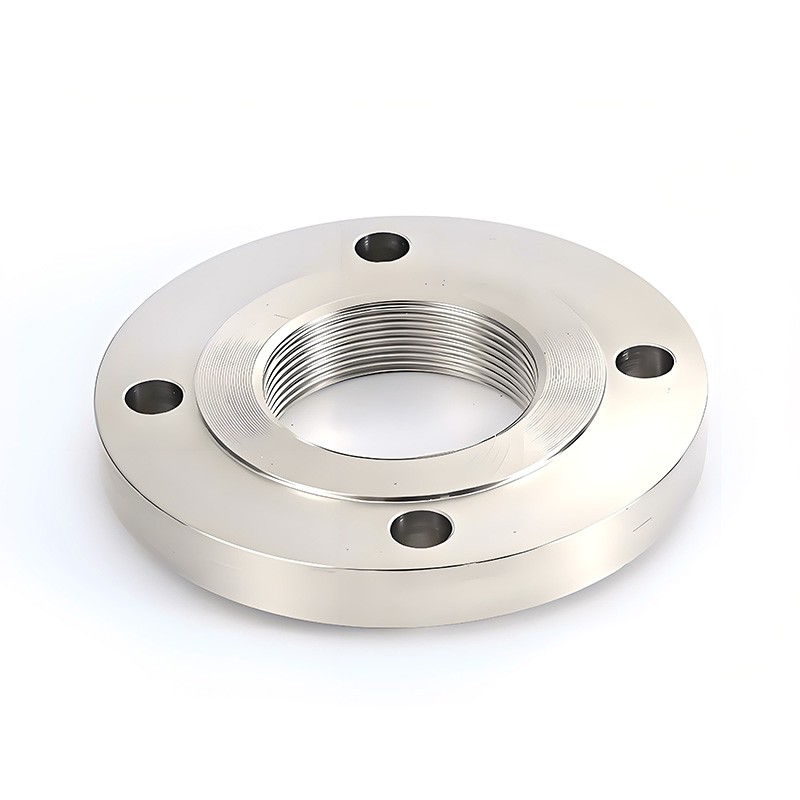
Core International Standards for Stainless Steel Flange
| Standard | Scope | Key Material Grades |
|---|---|---|
| ASME B16.5 | Pipe flanges and flanged fittings up to 24 inches | 304L, 316L, 304, 316 |
| ASME B16.47 | Large diameter steel flanges (26 to 60 inches) | 304L, 316L |
| EN 1092-1 | European standard for circular flanges | 1.4301, 1.4401, 1.4404 |
| JIS B2220 | Japanese industrial standard for steel flanges | SUS304, SUS316 |
| ISO 7005-1 | International metric flange standard | Various stainless grades |
| DIN (e.g. DIN 2576, 2632) | German standard widely used globally | 1.4301, 1.4571 |
Why Compliance Matters
A Stainless Steel Flange manufactured without recognized standards risks dimensional mismatches, leakage, corrosion failure, and legal liability. HengDi ensures every product meets or exceeds these standards through rigorous third-party testing and traceable material certifications.
Key Manufacturing Requirements Under Global Standards
-
Dimensional tolerances (bolt circle, hub thickness, facing finish)
-
Pressure-temperature ratings (Class 150, 300, 600, etc.)
-
Marking and identification (permanent stamping per standard)
-
Material chemical composition and mechanical properties
-
Non-destructive examination (NDE) requirements for critical applications
Stainless Steel Flange FAQ
What is the difference between ASME B16.5 and ASME B16.47 for Stainless Steel Flanges?
ASME B16.5 covers Stainless Steel Flange sizes from NPS 1/2 through NPS 24, while ASME B16.47 addresses larger diameters from NPS 26 through NPS 60. B16.47 further divides into Series A (MSS SP-44) and Series B (API 605). For large-diameter high-pressure systems, always verify which standard your engineering design specifies to avoid bolt circle mismatch.
Can a Stainless Steel Flange manufactured to EN 1092-1 be bolted directly to an ASME B16.5 flange?
No, direct bolting is generally not safe due to different bolt circle dimensions, flange facing designs, and pressure ratings. EN 1092-1 uses metric bolt sizes and different gasket surface finishes compared to ASME B16.5. However, HengDi offers custom adapter flanges designed to bridge these two standards when system modifications are unavoidable. Always consult a qualified piping engineer before mixing standards.
How do I verify that a Stainless Steel Flange complies with the claimed standard?
Request three documents from your supplier: a material test report (MTR) traceable to heat number, a dimensional inspection report signed by a qualified inspector, and visible permanent markings on the flange rim. The markings for an ASME B16.5 Stainless Steel Flange must include the manufacturer’s name (or trademark), material grade (e.g., 316L), pressure class (e.g., 150), and standard designation. HengDi provides all three documents with every shipment.
Conclusion
Navigating Stainless Steel Flange standards—from ASME to EN to JIS—is complex. Choosing a manufacturer that demonstrates deep technical knowledge, full traceability, and third-party certification protects your project investment. HengDi delivers Stainless Steel Flange products that consistently pass dimensional audits and pressure tests across all major global standards.
Contact us today for certified Stainless Steel Flange solutions. Email or visit our technical support page to request a quote with full material traceability and standard compliance documentation.