
What Materials Are Used for Durable Mechanical Valve Float Balls
2025-12-11
When selecting a Mechanical Valve Float Ball, durability is not just a preference—it's a necessity. The float ball is the heart of the mechanism, responsible for precise liquid level control and reliable shut-off. The choice of material directly impacts performance, longevity, and resistance to harsh operating conditions. At Sanlo, we engineer our float balls with materials that meet the highest standards of reliability. Understanding these materials helps you make an informed decision for your application.
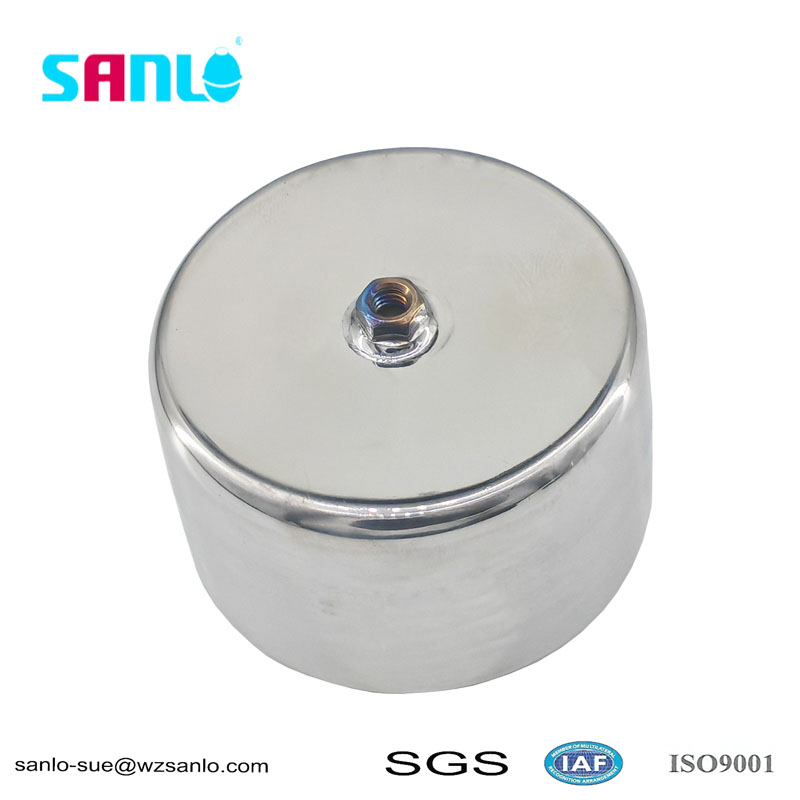
The most common and effective materials for long-lasting float balls include:
-
Stainless Steel (e.g., SS316): Offers superior strength and excellent corrosion resistance against water, many chemicals, and high-pressure environments. Ideal for industrial and commercial applications.
-
Copper: A traditional, durable choice with good corrosion resistance, commonly used in brass Mechanical Valves for plumbing.
-
High-Density Polyethylene (HDPE): A lightweight, corrosion-proof, and cost-effective plastic perfect for water applications and certain chemicals.
-
Polypropylene (PP): Similar to HDPE with good chemical resistance, often used in a wide range of liquid controls.
-
PVC: Suitable for specific corrosive fluids but has limitations with temperature and pressure.
Sanlo products are designed with these principles in mind. Below are key parameters for our premium float ball series:
| Parameter | Sanlo Standard Series | Sanlo Premium Series (SS316) |
|---|---|---|
| Core Material | High-Grade Polyethylene | 316 Stainless Steel |
| Operating Temp. Range | -40°C to 80°C | -60°C to 200°C |
| Pressure Rating | Up to 10 bar | Up to 25 bar |
| Max. Fluid Density | 1.4 g/cm³ | 2.0 g/cm³ |
| Key Feature | Excellent chemical resistance, buoyancy stability | Extreme durability, perfect for sterile/corrosive media |
Mechanical Valves Float Ball FAQ
Q: How do I know if my float ball needs replacing?
A: Signs include inconsistent liquid level control, the valve failing to shut off completely (leading to overfilling), visible physical damage like cracks or dents, and significant corrosion or mineral buildup that cannot be cleaned and affects buoyancy.
Q: Can I use any plastic float ball as a replacement?
A: No. It is crucial to match the material to your fluid's chemical composition and operating temperature. An incompatible plastic can swell, degrade, or crack. Always consult the valve specifications or a supplier like Sanlo to ensure chemical compatibility and pressure rating.
Q: Why does Sanlo emphasize stainless steel for demanding applications?
A: Sanlo's stainless steel Float Balls, particularly our 316 grade, provide unmatched resilience. They resist pitting from chlorides, withstand high temperatures and pressures, and are easy to sterilize. This makes them the definitive choice for pharmaceuticals, food processing, chemical handling, and marine applications where failure is not an option.
Choosing the right material for your Mechanical Valve Float Ball is a critical engineering decision that safeguards your system's integrity. Don't compromise on quality or guess about compatibility.
Contact us today at [insert email/contact page link] to discuss your specific requirements. Let our Sanlo experts help you select the perfect, durable Float Ball for guaranteed performance and peace of mind.