
What Makes Wedge Anchor Essential for Modern Construction?
2026-06-17
In modern construction and industrial fastening systems, the demand for high-strength, reliable, and long-lasting anchoring solutions continues to grow. Among the most widely used heavy-duty fasteners is the Wedge Anchor, a mechanical expansion anchor designed specifically for solid concrete applications. It is known for its strong holding power, easy installation, and consistent performance under heavy loads. Whether used in structural steel installation, machinery fixing, or building infrastructure projects, wedge anchors play a critical role in ensuring stability and safety.
Manufactured by experienced fastener suppliers such as Ningbo Siyi Fastener Co. Ltd, wedge anchors are engineered with precision to meet international standards, making them suitable for both domestic and global construction markets.
1. What Is a Wedge Anchor?
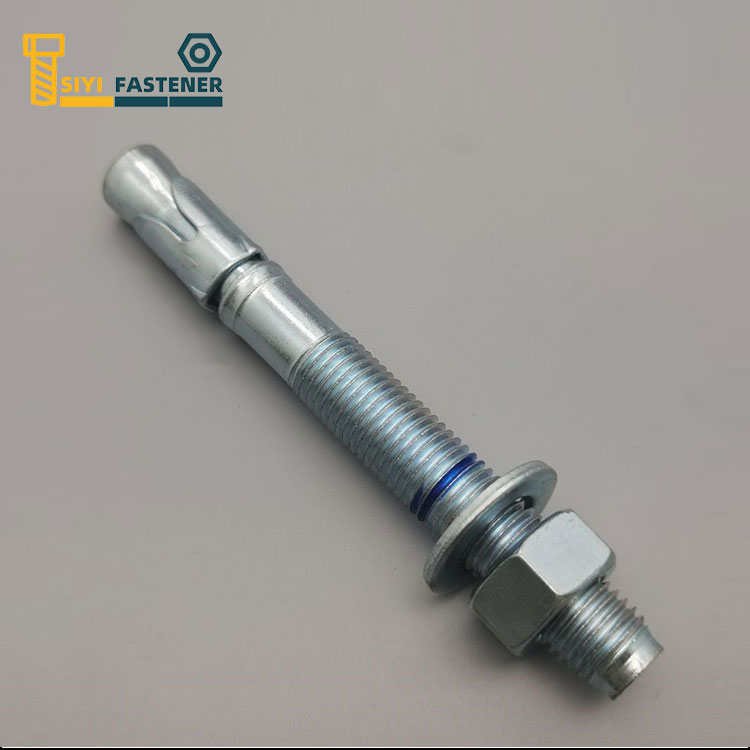
A Wedge Anchor is a type of expansion fastener used to attach objects to solid concrete. It works by inserting the anchor into a pre-drilled hole and tightening the nut, which forces a wedge-shaped clip to expand against the concrete walls.
Main components include:
- Threaded stud
- Expansion clip (wedge)
- Nut and washer
Once installed, it creates a permanent and vibration-resistant fixing point.
2. Key Advantages of Wedge Anchor
Wedge anchors are widely preferred because of their mechanical reliability and load-bearing capacity.
Benefits include:
- High tensile strength and shear resistance
- Suitable for cracked and uncracked concrete
- Fast and simple installation
- Long service life with corrosion-resistant coatings
- Excellent vibration resistance
These features make them ideal for heavy-duty structural applications.
3. Applications of Wedge Anchor
Wedge anchors are used in a wide range of construction and industrial environments.
Common applications:
- Steel column and beam fastening
- Machinery installation
- Guardrails and safety barriers
- HVAC systems and piping support
- Bridge and tunnel construction
- Heavy equipment anchoring
Their versatility makes them a standard choice for engineers and contractors worldwide.
4. Wedge Anchor Installation Process
Proper installation is essential to ensure maximum holding strength.
Step-by-step process:
- Drill a hole into solid concrete using the correct diameter bit
- Clean the hole thoroughly from dust and debris
- Insert the wedge anchor into the hole
- Tighten the nut using a wrench
- The wedge expands and locks the anchor in place
Incorrect installation can significantly reduce performance, so precision is important.
5. Wedge Anchor vs Other Anchors
To better understand its advantages, here is a simple comparison:
| Feature | Wedge Anchor | Sleeve Anchor | Drop-in Anchor |
|---|---|---|---|
| Load Capacity | Very High | Medium | High |
| Best Use | Heavy-duty structural work | Light-medium loads | Flush mounting |
| Installation | Easy | Moderate | Requires tool |
| Expansion Type | Mechanical wedge | Sleeve expansion | Internal expansion |
| Vibration Resistance | Excellent | Good | Moderate |
From the table, it is clear that wedge anchors are superior in high-load structural applications.
6. Material and Coating Options
Wedge anchors come in different materials depending on environmental requirements:
- Carbon Steel: Standard construction use
- Zinc Plated: Basic corrosion resistance
- Hot-Dip Galvanized: Outdoor and humid environments
- Stainless Steel (304/316): Coastal and chemical environments
Choosing the correct material ensures long-term durability and safety.
7. Why Quality Manufacturing Matters
The performance of a wedge anchor depends heavily on manufacturing precision. Poor-quality anchors may fail under load, leading to structural risks. This is why sourcing from a reliable manufacturer is critical.
Ningbo Siyi Fastener Co. Ltd focuses on strict quality control, advanced production technology, and material testing to ensure every wedge anchor meets high performance standards. Their products are widely used in construction, infrastructure, and industrial projects.
8. Key Factors to Consider Before Choosing Wedge Anchor
When selecting a wedge anchor, engineers should evaluate:
- Concrete strength and condition
- Load requirements (tensile & shear)
- Environmental exposure (moisture, chemicals)
- Anchor diameter and length
- Installation depth
Proper selection ensures safety and structural integrity.
9. Summary of Wedge Anchor Importance
Wedge anchors are not just simple fasteners—they are essential components in structural engineering. Their ability to provide strong, permanent, and vibration-resistant fixing makes them indispensable in modern construction.
Key reasons for importance:
- Ensures structural safety
- Supports heavy loads
- Provides long-term stability
- Works in diverse environments
Conclusion
As construction projects become more demanding, the need for reliable fastening solutions continues to rise. The Wedge Anchor remains one of the most trusted and widely used anchoring systems due to its strength, versatility, and ease of use. Partnering with experienced manufacturers like Ningbo Siyi Fastener Co. Ltd ensures that you receive high-quality products designed for maximum performance and safety.
If you are looking for durable and high-performance wedge anchor solutions for your project, contact us today to get professional support, technical guidance, and competitive pricing tailored to your needs.