
Pipe flange plays a critical role in modern industrial piping systems by providing secure connections between pipes, valves, pumps, and other equipment. A properly selected flange helps improve system reliability, simplify maintenance, and prevent costly leakage problems.
For industries such as oil and gas, chemical processing, water treatment, power generation, and manufacturing, choosing the right pipe flange requires careful consideration of pressure ratings, materials, connection methods, and operating environments. This article explains the fundamentals of pipe flanges, common challenges, selection methods, installation practices, and frequently asked questions to help engineers and buyers make better decisions.
What Is a Pipe Flange?
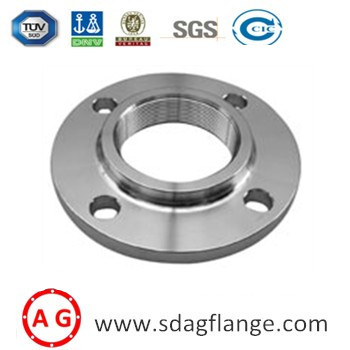
A pipe flange is a mechanical component used to connect sections of piping or join pipes with equipment such as pumps, valves, and pressure vessels. Unlike welded permanent connections, flange connections can be assembled and disassembled, making inspection, cleaning, and maintenance much easier.
A typical pipe flange consists of a flat or raised connecting surface, bolt holes, and a central opening that matches the pipe diameter. During installation, two flange faces are aligned and secured with bolts. A gasket is usually placed between the surfaces to create a reliable sealing structure.
The performance of a flange connection depends on multiple factors, including flange design, material compatibility, gasket selection, bolt tightening method, and operating conditions. A suitable pipe flange must withstand pressure, temperature changes, vibration, and chemical exposure throughout its service life.
Main Structure and Working Principle of Pipe Flange
The basic function of a pipe flange is to create a strong but removable connection. When bolts are tightened, they generate compression between the flange faces and the gasket. This pressure allows the gasket to fill small surface irregularities and create a leak-resistant seal.
Main Components of a Flange Connection
- Flange Body: Provides the mechanical strength needed to connect piping components.
- Bolt Holes: Allow bolts and nuts to secure two flange sections together.
- Flange Face: The sealing surface where the gasket is installed.
- Gasket: Creates a sealing barrier between connected surfaces.
- Pipe Connection Area: Provides compatibility with different pipe welding or connection methods.
During operation, the flange must maintain enough sealing force while resisting internal pressure and external loads. Poor installation or incorrect flange selection may result in leakage, deformation, or premature failure.
Common Types of Pipe Flanges
Different industries require different flange designs because operating conditions vary significantly. Understanding flange types helps users select the right solution for specific applications.
| Flange Type | Main Features | Typical Applications |
|---|---|---|
| Weld Neck Flange | Provides strong welded connection and excellent stress distribution | High-pressure and high-temperature systems |
| Slip-On Flange | Easy installation and alignment | General industrial piping systems |
| Blind Flange | Closes pipe ends or equipment openings | Pipeline isolation and pressure testing |
| Socket Weld Flange | Suitable for smaller diameter pipes | High-pressure small piping systems |
| Threaded Flange | Connected through internal threads without welding | Low-pressure systems requiring easy installation |
Among these options, weld neck flanges are often preferred for demanding environments because of their excellent strength and resistance to fatigue. Slip-on flanges are widely used where installation efficiency is important.
Why Is Pipe Flange Important for Industrial Piping Systems?
1. Reliable Connection Performance
A properly manufactured pipe flange creates a strong connection capable of handling pressure and mechanical loads. This reliability is especially important in industries where unexpected leakage can interrupt production or create safety concerns.
2. Easier Maintenance and Inspection
One major advantage of flange connections is their removability. Maintenance teams can disconnect equipment sections without cutting pipes, reducing repair time and simplifying system upgrades.
3. Flexible System Design
Pipe flanges allow different components, materials, and equipment to be integrated into one piping network. This flexibility makes them suitable for complex industrial installations.
4. Improved Safety
High-quality flanges manufactured according to appropriate specifications help reduce leakage risks and maintain stable operation under demanding conditions.
How to Select the Right Pipe Flange?
Choosing a suitable pipe flange requires more than checking pipe size. Engineers should evaluate several technical factors before purchasing.
Consider Pressure Rating
The flange pressure class must match the operating pressure of the system. Using a flange with insufficient pressure capability may lead to serious reliability issues.
Check Temperature Requirements
Different materials perform differently under high or low temperatures. The selected flange should maintain mechanical strength throughout the expected temperature range.
Evaluate Material Compatibility
The flange material must be compatible with the transported medium. For example, corrosive chemicals may require stainless steel or specially treated materials.
Confirm Standards and Dimensions
Common flange standards include ANSI, DIN, JIS, and other industrial specifications. Matching dimensions ensures compatibility with existing equipment and piping components.
| Selection Factor | Why It Matters |
|---|---|
| Pipe Size | Ensures correct connection and installation compatibility |
| Pressure Rating | Determines safe operating capability |
| Material | Affects corrosion resistance and service life |
| Temperature Range | Influences mechanical performance |
| Flange Standard | Ensures interchangeability and proper fitting |
Pipe Flange Materials and Applications
Different applications require different flange materials. Selecting the correct material improves durability and reduces maintenance frequency.
- Carbon Steel Flanges: Commonly used in general industrial applications due to their strength and cost efficiency.
- Stainless Steel Flanges: Suitable for environments requiring corrosion resistance and hygienic performance.
- Alloy Steel Flanges: Designed for high-temperature and high-pressure applications.
- Special Material Flanges: Used in chemical, marine, and highly corrosive environments.
A professional flange manufacturer should provide material traceability, dimensional accuracy, and quality inspection information to support reliable industrial use.
Pipe Flange Installation and Maintenance Guide
Installation Tips
- Clean flange faces before assembly.
- Select the correct gasket type and size.
- Ensure proper alignment between connected pipes.
- Tighten bolts gradually using the correct sequence.
- Inspect for leakage after system pressure testing.
Maintenance Recommendations
- Regularly inspect flange connections for leakage signs.
- Check bolts for loosening caused by vibration.
- Replace damaged gaskets promptly.
- Monitor corrosion and surface damage.
Proper installation is just as important as flange quality. Even a high-performance flange may fail if incorrect assembly procedures are followed.
Common Pipe Flange Problems and Solutions
| Problem | Possible Cause | Solution |
|---|---|---|
| Flange leakage | Damaged gasket, incorrect tightening, poor alignment | Replace gasket and check installation procedure |
| Bolt loosening | Vibration or improper tightening | Apply correct tightening torque and inspection schedule |
| Corrosion damage | Unsuitable material selection | Select a more suitable corrosion-resistant material |
| Connection deformation | Excessive pressure or mechanical stress | Review system design and flange rating |
Frequently Asked Questions About Pipe Flange
What is the main purpose of a pipe flange?
A pipe flange connects pipes and equipment while allowing easier installation, maintenance, and inspection compared with permanent welded connections.
How do I choose the correct pipe flange size?
The selection should consider pipe diameter, pressure rating, material, flange standard, temperature, and application requirements.
Why does a pipe flange leak?
Common causes include damaged gaskets, incorrect bolt tightening, poor alignment, corrosion, or choosing an unsuitable flange specification.
Which industries use pipe flanges?
Pipe flanges are widely used in oil and gas, chemical processing, water treatment, power generation, shipbuilding, and manufacturing industries.
Why choose a professional pipe flange manufacturer?
Professional manufacturers can provide consistent quality, accurate dimensions, suitable materials, and technical support for different industrial applications.
Reliable Pipe Flange Solutions from Aiguo Forging
Aiguo Forging specializes in manufacturing high-quality forged flange products designed for industrial piping applications. With professional forging technology, strict quality control, and experience in different flange requirements, Aiguo Forging provides reliable solutions for customers seeking durable and accurately manufactured pipe flange products.
Whether your project requires standard flanges, customized dimensions, or specific material solutions, selecting an experienced manufacturer can help improve system reliability and reduce long-term maintenance challenges.
Need a Reliable Pipe Flange Supplier?
Aiguo Forging is committed to providing dependable flange solutions for industrial customers worldwide. If you need assistance with pipe flange selection, customized forging requirements, or product information, our professional team is ready to support your project.
Contact us today to discuss your pipe flange requirements and find a suitable solution for your piping system.
Learn More About Aiguo Forging