
What is the Maximum Current Rating for a Standard Metal Three-way Connector in High-Temperature Environments
2026-04-07
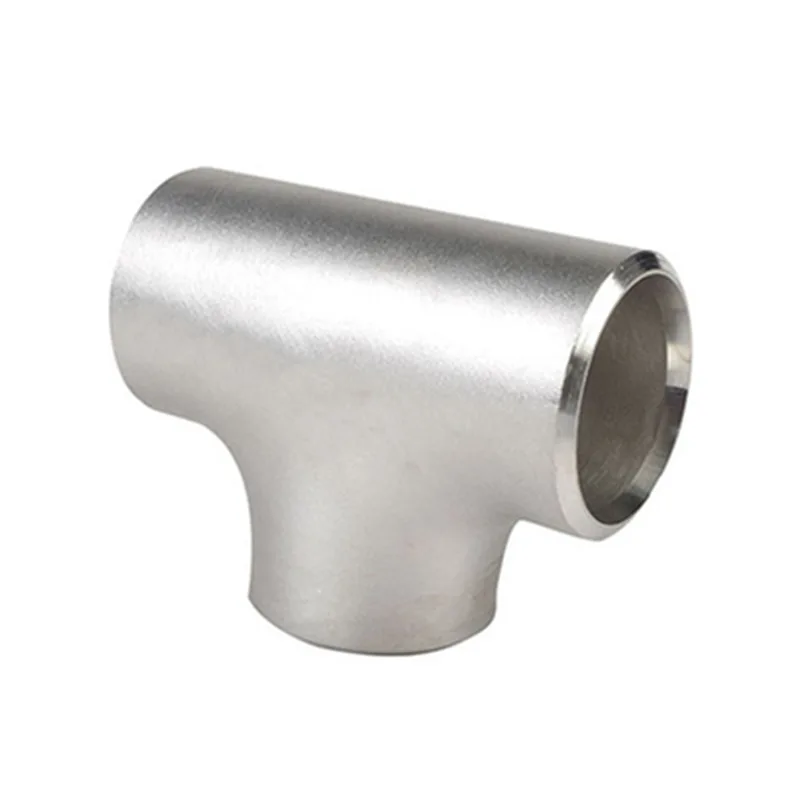
When designing reliable electrical systems under extreme heat, one question stands out: what is the maximum current rating for a standard Metal Three-way Connector in high-temperature environments? For engineers and procurement specialists, the answer determines safety, efficiency, and longevity. S-SEN provides high-performance interconnection solutions that meet rigorous thermal and electrical demands.
Understanding Current Rating vs. Temperature
A Metal Three-way Connector typically features a current rating established at 25°C ambient temperature. As the operating temperature rises, the allowable current decreases due to increased conductor resistance and insulation stress. The standard derating curve shows that for every 10°C above 70°C, the current capacity drops by approximately 15-20%.
Below is the typical current rating for S-SEN industrial-grade Metal Three-way Connector models in high-temperature conditions:
| Temperature Range | Maximum Continuous Current (per pin) | Insulation Material Limit |
|---|---|---|
| 25°C - 70°C | 30A | 105°C rated thermoplastic |
| 71°C - 85°C | 24A | 125°C rated thermoset |
| 86°C - 100°C | 18A | 150°C rated ceramic fill |
| 101°C - 120°C | 12A | 180°C rated PTFE |
For sustained operation above 100°C, a Metal Three-way Connector from S-SEN with silver-plated contacts and high-temperature housing is strongly recommended.
Key Factors Affecting Current Rating in Hot Environments
-
Contact material (brass, phosphor bronze, or beryllium copper)
-
Plating type (tin, gold, or silver)
-
Housing thermal conductivity
-
Wire gauge termination method
-
Number of simultaneously powered circuits
Frequently Asked Questions about Metal Three-way Connector
Question 1: Can I use the same Metal Three-way Connector at 90°C as at 25°C without reducing the load?
Answer: No. Operating a Metal Three-way Connector at 90°C without derating will cause excessive contact heating, accelerated oxidation, and potential insulation meltdown. For every 10°C rise above 70°C, you must reduce the current by at least 15%. S-SEN provides detailed thermal derating charts for each connector series. Always consult the datasheet before high-temperature deployment.
Question 2: What happens if I exceed the maximum current rating of a Metal Three-way Connector in a hot environment?
Answer: Exceeding the rating leads to a runaway thermal effect. The Metal Three-way Connector generates internal heat from contact resistance. In high ambient temperatures, this heat cannot dissipate efficiently. Contact temperatures may exceed 150°C, causing spring temper loss, increased resistance, arcing, and eventual connector failure. In severe cases, housing materials degrade, leading to short circuits or fire. S-SEN connectors include thermal protection indicators in premium series.
Question 3: How do I verify the actual current rating of a Metal Three-way Connector for my specific high-temperature application?
Answer: Perform a temperature rise test per IEC 60512-5. Install the Metal Three-way Connector in your actual enclosure or a thermal chamber. Apply the intended current and monitor the hottest point on the connector body using a thermocouple. Ensure the temperature does not exceed the insulation class limit minus a 15°C safety margin. S-SEN offers application engineering support to help validate derating curves for custom environments.
Best Practices for High-Temperature Use
-
Choose S-SEN connectors with high-temperature housing (minimum 125°C rated)
-
Derate current by 25% when operating above 85°C
-
Use larger wire gauge than minimum requirement
-
Avoid bundling multiple high-current connectors together
-
Perform thermal imaging during prototype testing
Contact Us
For detailed specifications and custom derating support for your Metal Three-way Connector application, contact S-SEN today. Our engineering team provides thermal simulation reports, sample testing, and full compliance documentation. Reach out via the website contact form or request a quote directly for high-temperature connector solutions.