
What Is a Hose Clamp and How Does It Ensure Reliable Hose Connections?
2026-09-03
Article Summary:
A hose clamp is a small but essential fastening component designed to secure hoses onto fittings while preventing leaks, movement, and connection failures. From automotive cooling systems and industrial pipelines to air compressors and fluid transfer equipment, choosing the correct hose clamp directly affects system safety and operating efficiency. This article explains what a hose clamp is, why it matters, how different types work, how to select the right option, and how Cixi Beideli pipe fitting Co. Ltd provides reliable solutions for various hose connection requirements.
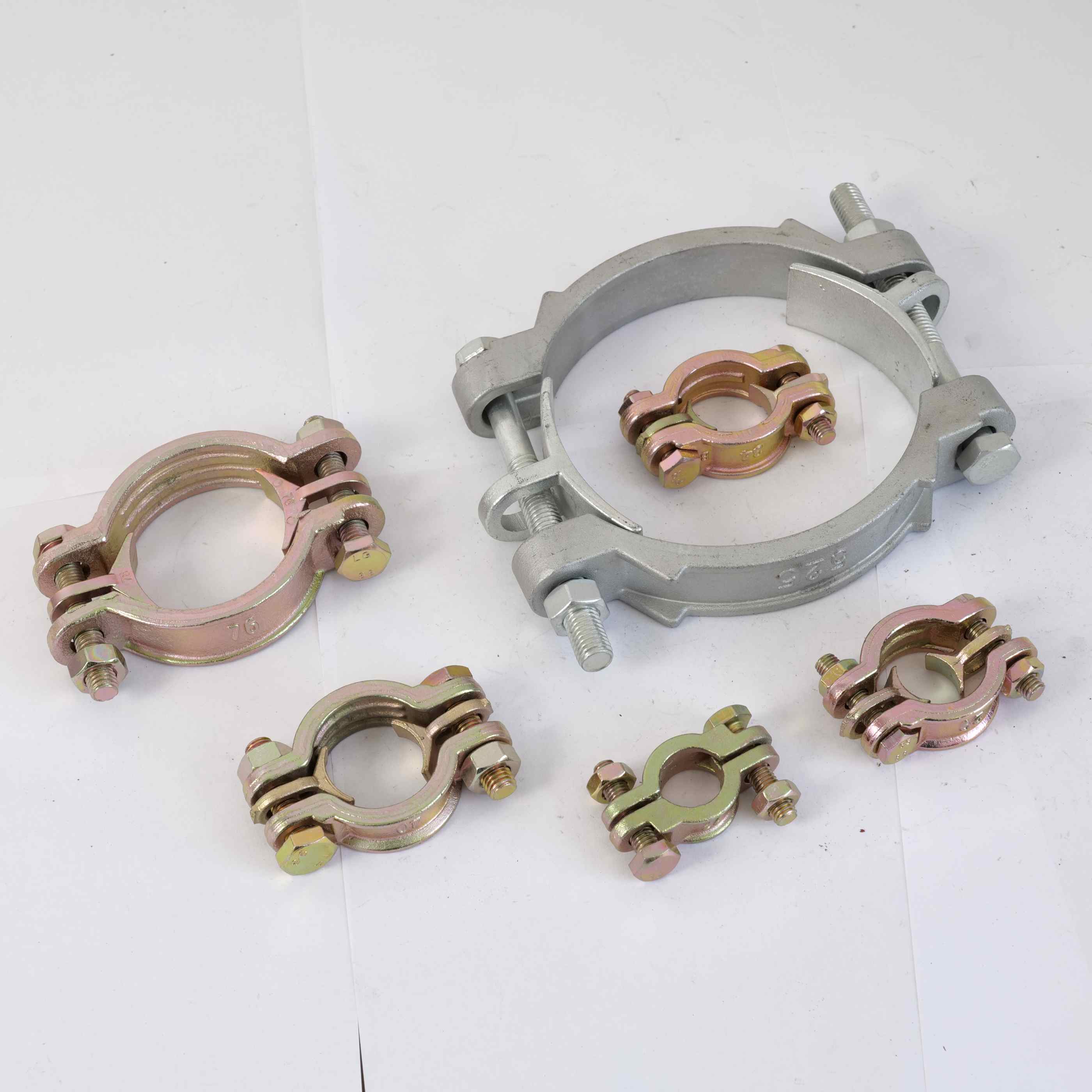
Table of Contents
- What Is a Hose Clamp?
- Why Are Hose Clamps Important?
- What Are the Different Types of Hose Clamps?
- How Do Hose Clamp Materials Affect Performance?
- How to Choose the Right Hose Clamp?
- How Should a Hose Clamp Be Installed Correctly?
- Where Are Hose Clamps Commonly Used?
- How to Prevent Hose Clamp Failures?
- Frequently Asked Questions
What Is a Hose Clamp?
A hose clamp is a mechanical fastening device used to attach and seal a flexible hose onto a fitting, connector, pipe, or nozzle. Its main function is to apply controlled pressure around the outside diameter of the hose, creating a secure connection that minimizes leakage and prevents the hose from slipping off during operation.
Although hose clamps are relatively simple components, they play an important role in maintaining the reliability of fluid and air handling systems. A properly selected hose clamp helps maintain sealing performance under pressure, vibration, temperature changes, and environmental exposure.
Most hose clamps consist of a metal band, tightening mechanism, and locking structure. When tightened, the clamp compresses the hose against the fitting surface, creating a stable connection between two components.
Common hose clamp designs include worm drive clamps, spring clamps, T-bolt clamps, and ear clamps. Each design provides different levels of tightening force, flexibility, and durability for specific working conditions.
Why Are Hose Clamps Important?
A hose connection failure can cause fluid leakage, pressure loss, equipment downtime, and even safety risks. Hose clamps help solve these problems by providing reliable mechanical support between hoses and fittings.
| Problem Without Proper Hose Clamps | How Hose Clamps Help |
|---|---|
| Hose movement or separation | Provides strong holding force to keep the hose securely attached |
| Fluid or air leakage | Creates a tighter seal between hose and fitting |
| Vibration-related loosening | Maintains connection stability during equipment operation |
| Frequent maintenance requirements | Improves connection durability and service life |
In industries where continuous operation is required, a high-quality hose clamp can reduce maintenance costs and prevent unexpected production interruptions.
What Are the Different Types of Hose Clamps?
Different applications require different hose clamp structures. Selecting the correct type depends on factors such as hose material, pressure level, temperature range, and installation requirements.
| Hose Clamp Type | Main Features | Typical Applications |
|---|---|---|
| Worm Drive Hose Clamp | Adjustable design with screw tightening mechanism | Automotive hoses, plumbing, air lines, general industrial use |
| Spring Hose Clamp | Provides continuous spring pressure and adapts to expansion | Cooling systems and temperature-changing environments |
| T-Bolt Hose Clamp | High clamping force and strong vibration resistance | Heavy-duty machinery, turbo systems, industrial equipment |
| Ear Hose Clamp | Permanent connection with uniform compression | Fuel lines, small diameter hoses, OEM applications |
| Wire Hose Clamp | Simple structure with lightweight design | Low-pressure air and fluid applications |
The worm drive hose clamp remains one of the most widely used options because it offers adjustable sizing and convenient installation. However, applications involving high vibration or extreme conditions may require specialized clamp designs.
How Do Hose Clamp Materials Affect Performance?
The material of a hose clamp determines its corrosion resistance, strength, and suitability for different environments. Choosing the correct material helps extend service life and maintain reliable performance.
| Material | Advantages | Recommended Environment |
|---|---|---|
| Stainless Steel | Excellent corrosion resistance and durability | Marine, chemical, outdoor, and industrial applications |
| Carbon Steel | High strength and cost efficiency | General indoor applications |
| Zinc-Plated Steel | Improved corrosion protection compared with untreated steel | Light industrial and maintenance applications |
| Plastic Materials | Lightweight and resistant to certain chemicals | Low-pressure applications |
For demanding environments, stainless steel hose clamps are often preferred because they provide better resistance against rust and environmental damage.
How to Choose the Right Hose Clamp?
Choosing the correct hose clamp requires more than simply matching the hose diameter. Several technical factors should be considered to ensure reliable operation.
- Hose Diameter: Select a clamp size that fits the hose outer diameter range.
- Operating Pressure: Higher pressure systems require stronger clamping force.
- Temperature Conditions: Extreme heat or cold may influence clamp performance.
- Environmental Exposure: Outdoor and corrosive environments require suitable materials.
- Vibration Level: Equipment with continuous vibration needs clamps designed for stability.
- Maintenance Requirements: Reusable clamps may be preferred for systems requiring frequent inspection.
Cixi Beideli pipe fitting Co. Ltd focuses on providing dependable hose connection components designed to meet different industrial requirements. Through careful material selection and manufacturing control, the company helps customers achieve safer and more efficient hose installation solutions.
How Should a Hose Clamp Be Installed Correctly?
Correct installation is essential because even a high-quality hose clamp may fail if it is positioned or tightened incorrectly.
- Inspect the hose and fitting surface before installation.
- Ensure the hose is fully inserted onto the fitting.
- Position the clamp behind the fitting ridge or connection point.
- Tighten the clamp evenly without excessive force.
- Check the connection for leakage after installation.
Over-tightening is a common mistake because excessive pressure can damage soft hose materials, deform the fitting, or reduce service life. The goal is a secure seal rather than maximum tightening force.
Where Are Hose Clamps Commonly Used?
Hose clamps are used across many industries because flexible hose connections are common in fluid and air systems.
- Automotive cooling and fuel systems
- Industrial water and air pipelines
- Agricultural irrigation equipment
- HVAC and ventilation systems
- Marine equipment
- Construction machinery
- Pneumatic tools and compressors
- Manufacturing equipment
Their compact design, easy installation, and reliable sealing performance make hose clamps an important component in both everyday equipment and advanced industrial systems.
How to Prevent Hose Clamp Failures?
| Maintenance Action | Benefit |
|---|---|
| Regularly inspect clamps for rust or deformation | Helps identify potential failures early |
| Check tightening condition | Prevents loosening caused by vibration |
| Use suitable clamp materials | Improves corrosion resistance and durability |
| Replace damaged clamps immediately | Maintains system safety and performance |
Routine inspection is especially important for equipment operating continuously or in harsh environments.
Frequently Asked Questions
What is the main purpose of a hose clamp?
The main purpose of a hose clamp is to secure a hose onto a fitting while creating a reliable seal that prevents leakage and movement.
Can hose clamps be reused?
Many worm drive hose clamps can be reused if they remain in good condition. However, some permanent clamp designs are intended for single use only.
Which hose clamp material is best?
The best material depends on the working environment. Stainless steel is commonly selected for applications requiring corrosion resistance and long-term durability.
How tight should a hose clamp be?
A hose clamp should be tightened enough to create a secure seal without damaging the hose. Excessive tightening may cause deformation or premature failure.
How do I select the correct hose clamp size?
Measure the outside diameter of the installed hose and select a clamp range that covers this measurement while allowing proper adjustment.
Conclusion
A hose clamp may be a small component, but it has a major impact on the reliability of hose-based systems. Selecting the correct clamp type, material, and installation method can significantly improve sealing performance, reduce maintenance issues, and extend equipment service life.
With professional manufacturing experience and a commitment to dependable connection solutions, Cixi Beideli pipe fitting Co. Ltd continues to provide high-quality hose clamp products for customers across different industries. For reliable hose connection solutions and professional product support, please contact us.