
What Factors Determine the Reliability of Current Terminal Connectors in Extreme Temperature Environments
2026-04-22
When engineers evaluate Current Terminal Connector performance in harsh conditions, reliability becomes non‑negotiable. Youlin has engineered solutions that maintain consistent electrical and mechanical integrity across a wide temperature spectrum, from arctic cold to industrial heat.
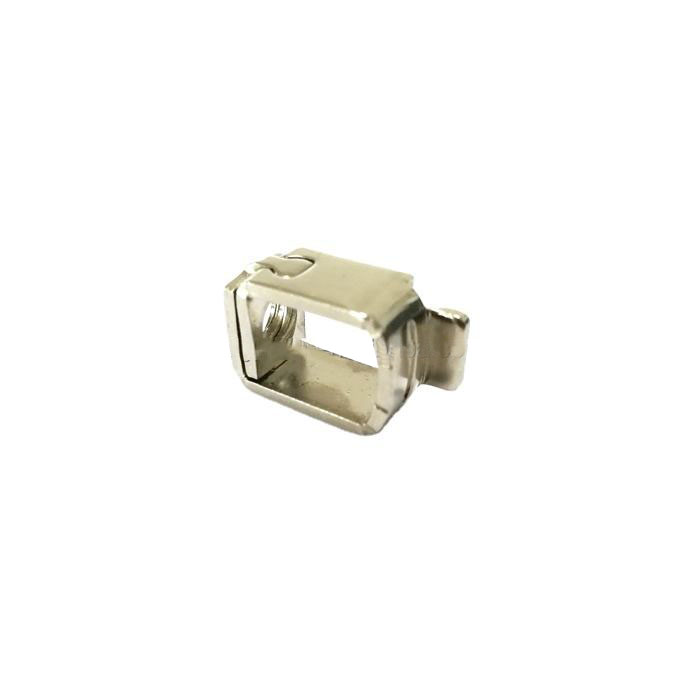
Key Environmental and Design Factors
The table below outlines the primary determinants of Current Terminal Connector reliability under extreme temperatures.
| Factor | Impact on Reliability | Youlin Design Approach |
|---|---|---|
| Thermal expansion mismatch | Differential expansion of metals and insulators causes loosening or cracking | Matched CTE materials with stress‑relief geometry |
| Contact material stability | Oxidation or annealing at high heat increases resistance | High‑performance alloys with anti‑corrosion plating |
| Sealing and insulation | Brittle seals fail in cold; elastomers degrade in heat | Silicone‑based seals rated from -60°C to 200°C |
| Current cycling fatigue | Repeated heating/cooling cycles loosen clamping force | Constant‑force spring contacts tested for 2000+ cycles |
Practical Factors in Detail
1. Base Metal and Plating Selection
Copper alloys with nickel or silver plating maintain low contact resistance. Youlin uses selective gold plating on critical mating surfaces, reducing micro‑fretting failures common in thermal cycling.
2. Housing Material Integrity
Thermoplastics like PA66 or PPS outperform standard PVC. Youlin terminal connectors employ UL94 V‑0 rated housings that resist embrittlement below -40°C and softening above 150°C.
3. Mechanical Clamping Force
Screw or spring clamps lose torque with temperature swings. Youlin implements vibration‑resistant spring clamps that self‑adjust to maintain constant pressure, eliminating re‑torquing needs.
Current Terminal Connector FAQ – Common Questions
What is the typical temperature range for industrial current terminal connectors?
Most standard connectors operate between -40°C and 105°C. However, Youlin extreme‑series Current Terminal Connector products are validated from -60°C to 200°C continuous operation, with short‑term tolerance up to 250°C for specialized applications such as furnace sensors or aerospace engine compartments.
How can I test if a current terminal connector has been damaged by extreme cold?
Cold damage often appears as cracked insulation or reduced clamping torque. Perform a visual inspection for micro‑cracks near the wire entry, followed by a pull test (less than 1mm wire movement is acceptable). Use a thermal camera under 50% rated current – localized hot spots above ambient +15°C indicate internal fracturing. Youlin provides cold‑chamber test reports for all extreme‑temperature models.
Does humidity combined with high temperature affect connector reliability more than dry heat?
Yes. Humid heat accelerates galvanic corrosion and dielectric breakdown. The combination reduces mean time between failures (MTBF) by up to 70% compared to dry heat alone. Youlin current terminal connectors feature double barrier sealing and conformal coating on internal contacts, passing 1000 hours of 85°C / 85% RH testing per IEC 60068‑2‑78.
Best Practice Recommendations
-
Use Youlin thermal‑rated Current Terminal Connector models with published temperature‑derating curves.
-
Apply anti‑seize lubricant only on threads, never on electrical contacts.
-
Schedule annual torque verification in cycling environments above 100°C or below -30°C.
For mission‑critical installations in extreme climates, choosing a validated Current Terminal Connector prevents unplanned downtime. Youlin offers free thermal simulation support and sample kits for qualifying projects.
Contact us today at [email protected] to request extreme‑temperature test data or discuss custom connector solutions for your specific environment.