
What Causes a Clutch Release Bearing to Fail Prematurely
2026-10-19
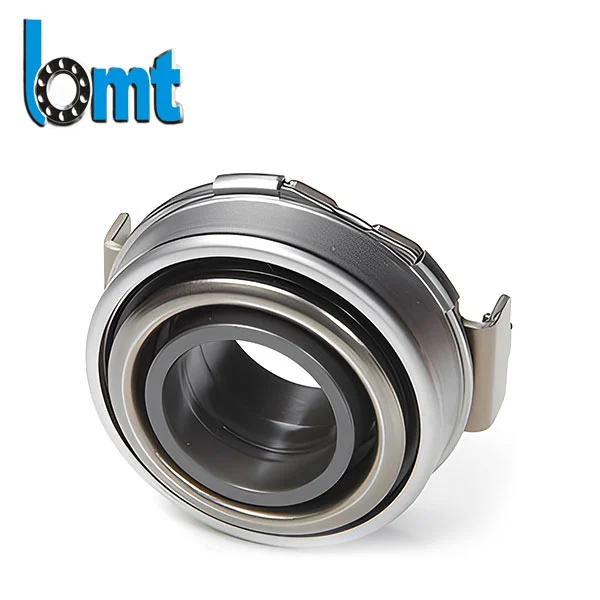
Clutch release bearings are small but critical components in any manual transmission system. When one fails early, drivers often wonder whether the problem lies in the part itself or in how the vehicle is used. At BMT, we have analyzed thousands of bearing failures across passenger cars, light trucks, and commercial fleets. The findings show that premature failure is rarely random—it usually traces back to a handful of identifiable causes.
The Main Causes of Early Failure
Clutch release bearings endure constant load cycles, heat, and contamination. When any of these factors exceed design limits, bearing life drops sharply. Below are the most common root causes we see in field returns and warranty inspections.
| Cause | Mechanism of Failure | Typical Symptoms | Prevention |
|---|---|---|---|
| Riding the clutch | Continuous preload keeps the bearing spinning under load | Whining noise, heat discoloration | Rest foot off pedal; adjust pedal free play |
| Misalignment | Uneven load on the raceway | Uneven wear, vibration | Check bell housing and input shaft alignment |
| Contamination | Dirt or moisture enters the seal | Grinding, grease leakage | Use sealed bearings; keep clutch housing clean |
| Overheating | Excessive friction from slipping or poor ventilation | Blue discoloration, grease breakdown | Avoid prolonged half-clutch operation |
| Incorrect installation | Damage to seal or race during fitment | Early noise, leakage | Follow torque and press-fit procedures |
| Worn release fork or guide tube | Side load on the bearing | Noisy pedal, uneven contact | Replace worn linkage components together |
Technical Factors That Shorten Bearing Life
Beyond driver habits, several design and service factors matter:
-
Bearing load rating: A clutch release bearing selected below the required load capacity will fatigue faster, especially in stop-and-go traffic.
-
Grease quality and fill level: High-temperature grease extends life; underfilled bearings fail within thousands of cycles.
-
Guide tube wear: A worn guide tube allows the bearing to tilt, concentrating stress on one area of the raceway.
-
Clutch system mismatch: Upgrading the clutch without matching the release bearing can create excessive release loads.
-
Hydraulic release systems: Incorrect fluid or air in the line can cause partial engagement, keeping the bearing loaded continuously.
At BMT, every clutch release bearing is validated through salt spray, high-temperature grease endurance, and 500,000-cycle load testing to confirm performance in real-world conditions.
FAQ: Clutch Release Bearings
Q: How long should a clutch release bearing last?
A: A quality clutch release bearing typically lasts 60,000 to 100,000 miles, often matching the clutch disc life. Frequent city driving, riding the clutch, or a worn release fork can cut that figure in half. Replacing the bearing together with the clutch kit is the most cost-effective approach.
Q: What noise indicates a failing clutch release bearing?
A: A whining, chirping, or grinding sound that appears when the pedal is pressed and disappears when released is the classic sign. The noise comes from worn raceways or insufficient lubrication. If the sound changes with pedal pressure, the bearing is the primary suspect rather than the transmission.
Q: Can a clutch release bearing fail without warning?
A: Sudden failure is uncommon but possible, usually following contamination or severe overheating. Most bearings give early warning through noise, pedal vibration, or a change in pedal feel. Ignoring these signs accelerates wear and can damage the pressure plate and flywheel.
When to Inspect and Replace
Inspect the clutch release bearing whenever the transmission is removed, and replace it as part of any clutch service. Check pedal free play at every oil change, and listen for new noises during cold starts. Catching wear early prevents secondary damage to the flywheel and release fork.
Contact us at BMT today to discuss bearing selection, failure analysis, or fleet maintenance schedules—our engineering team will help you extend clutch system life and reduce downtime.