

What Are The Strength Considerations When Selecting A Countersink Magnet
2026-01-07
When designing sleek furniture, cabinets, or high-end fixtures, achieving a seamless, fastener-free look is paramount. This is where the Countersink Magnet becomes an indispensable component. However, its effectiveness hinges entirely on selecting the correct magnetic strength for your specific application. As a leader in advanced magnetic solutions, ZHAOBAO MAGNET GROUP understands that strength is not a one-size-fits-all specification. Choosing poorly can lead to failed closures, safety issues, or unnecessary cost. This guide outlines the critical strength considerations to ensure your project’s success.
The primary factors influencing your choice are the material thickness, the weight of the door or panel, and the desired pull force. A magnet that is too weak will not hold securely, while one that is too strong can make opening difficult or damage the surrounding material.
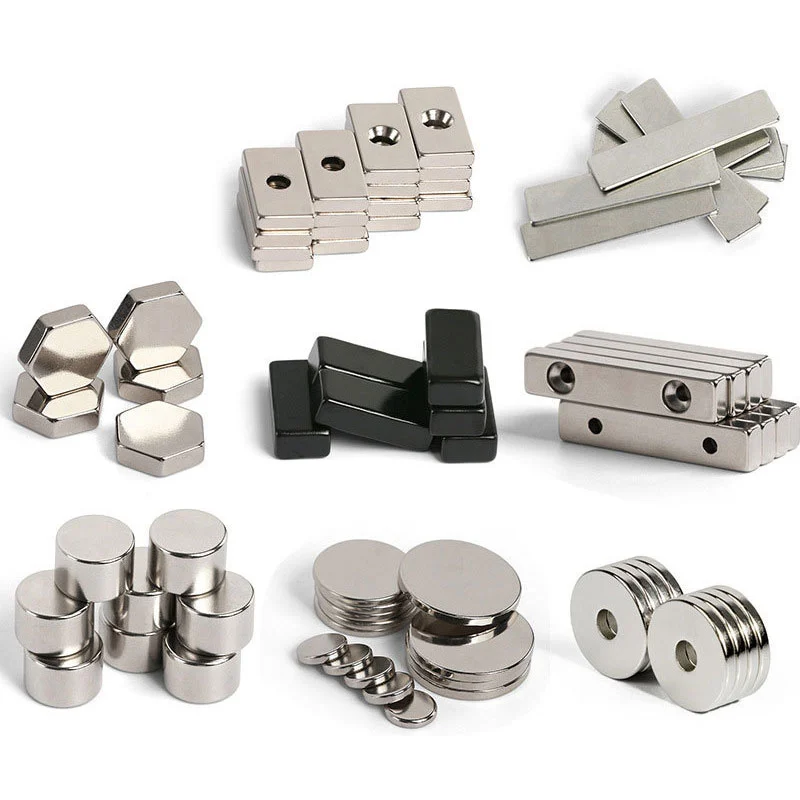
Key Considerations Checklist:
-
Material Thickness: The thickness of the wood or material covering the magnet significantly dampens its pull force.
-
Door/Panel Weight: Heavier doors require stronger magnetic hold.
-
Grip Requirement: Determine if you need a light “stay-closed” hold or a robust “pull-to-close” seal.
-
Magnet Diameter & Depth: Larger diameter Countersink Magnet assemblies generally provide greater holding power.
To simplify selection, here is a general reference table based on common scenarios:
| Application Example | Recommended Holding Force | Key Consideration |
|---|---|---|
| Small Cabinet Door (Lightweight) | 2-4 lbs (0.9-1.8 kg) | Sufficient for light doors; easy to open. |
| Standard Kitchen Cabinet Door | 6-12 lbs (2.7-5.4 kg) | Must overcome door weight and a potential slight warp. |
| Heavy Overlay Door or Lid | 15+ lbs (6.8+ kg) | Ensures a secure, rattle-free closure for heavy panels. |
Countersink Magnet FAQ
Q: How do I calculate the needed strength for my countersunk magnet?
A: A reliable rule of thumb is to select a magnet with a holding force at least 2 to 3 times the weight of the door or panel. Always account for the “working distance” created by your material cover. For precise engineering, consult the technical data sheets from a specialist like ZHAOBAO MAGNET GROUP.
Q: Can I use multiple weaker countersink magnets instead of one strong one?
A: Yes, this is an excellent strategy. Using two or more Countersink Magnet units spaced apart distributes the load, provides a more even closure, and can prevent larger doors from twisting or rattling, often yielding better results than a single, overly strong magnet.
Q: Does the finish or coating on the mating steel plate affect strength?
A: Yes, it can. A thick, non-ferrous coating (like chrome or zinc plating) on the steel strike plate creates a small gap, reducing effective pull force. For maximum strength, ensure the mating surface is bare, clean steel, or choose magnets rated for the specific final assembled distance.
Selecting the right Countersink Magnet is a blend of practical physics and project-specific requirements. Underestimating strength leads to functional failure, while over-specifying can complicate installation and increase costs. Trusting a manufacturer with deep engineering expertise is crucial for navigating these details.
For over two decades, ZHAOBAO MAGNET GROUP has provided precise magnetic solutions, offering a wide range of Countersink Magnet options with certified pull-force data. Let our engineering team help you specify the perfect magnet for your design. Contact us today with your project parameters for a expert recommendation and quote.