
What Are the Common Failure Modes of a Stainless Steel Socket Weld Flange
2026-06-08
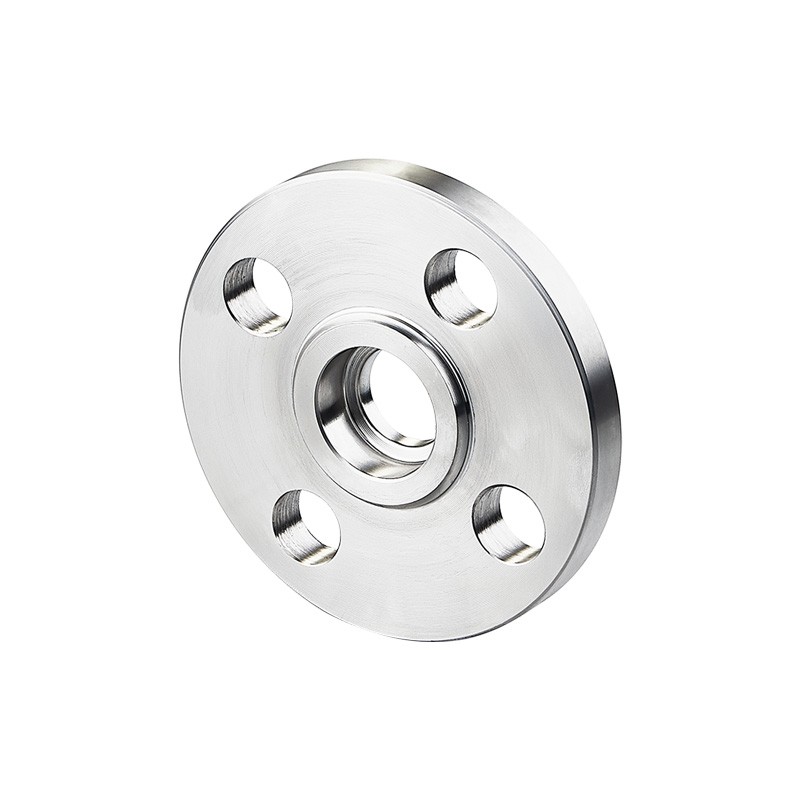
When designing high-pressure piping systems, engineers often select a Stainless Steel Socket Weld Flange for its leak-proof reliability and strength. However, even this robust component can fail under specific conditions. At HengDi, we have analyzed hundreds of field failures to help you avoid costly downtime. Below are the most common failure modes.
Primary Failure Modes & Prevention
| Failure Mode | Root Cause | Prevention Strategy |
|---|---|---|
| Weld Root Cracking | Insufficient expansion gap (must be 1/16") | Maintain proper gap; use low-hydrogen rods |
| Corrosion Fatigue | Chloride attack under thermal cycling | Specify 316L or duplex grades; control chlorides |
| Lamellar Tearing | Through-thickness stresses from poor fit-up | Use fully penetrated fillet welds; avoid over-welding |
| Thermal Fatigue | Rapid temperature changes | Gradual start-up/shut-down cycles |
Stainless Steel Socket Weld Flange FAQ
Q: What is the minimum weld throat thickness required for a Stainless Steel Socket Weld Flange under ASME B31.3?
A: ASME B31.3 mandates that the fillet weld throat thickness must be at least 1.09 times the pipe wall thickness, but not less than 0.22 inches (5.6 mm) for most process piping classes. For HengDi flanges, we always stamp the required weld size on the hub to eliminate guesswork.
Q: Can a Stainless Steel Socket Weld Flange be repaired after a fatigue crack appears?
A: Yes, but only if the crack depth is less than 10% of the flange hub thickness and not in the bore. The cracked area must be ground out with a carbide burr (never a grinding wheel, which imbeds debris), then re-welded using a qualified procedure with GTAW backing gas. HengDi recommends replacement over repair for cyclic service above 300°F due to residual stress risks.
Q: How does galvanic corrosion affect a Stainless Steel Socket Weld Flange when bolted to carbon steel?
A: Direct contact with carbon steel bolts in an electrolyte (wet, salty environment) rapidly pits the stainless steel adjacent to the bolt holes. The potential difference is about 0.5V. Prevention requires isolating HengDi flanges with PTFE-coated washers or using 316 stainless bolts. Failure to isolate can reduce flange life by 80% within two years.
Final Recommendations
To maximize the service life of your Stainless Steel Socket Weld Flange, always verify the expansion gap with a feeler gauge, control chloride levels in the process fluid, and never exceed the flange’s thermal cycle rating. HengDi manufactures each flange with certified traceable materials to meet NACE MR0175 and ISO 15156 standards.
Contact us today for a free failure analysis consultation or to request a quote for our stocked Stainless Steel Socket Weld Flange series. Reach HengDi at [email protected] – your piping reliability starts here.