
What Are Connection Fasteners and Why Are They Essential?
2026-01-16
Summary: Connection fasteners are vital components used across various industries to join, secure, and stabilize mechanical structures. This article explores their types, applications, selection criteria, and maintenance considerations to help businesses and engineers make informed choices.
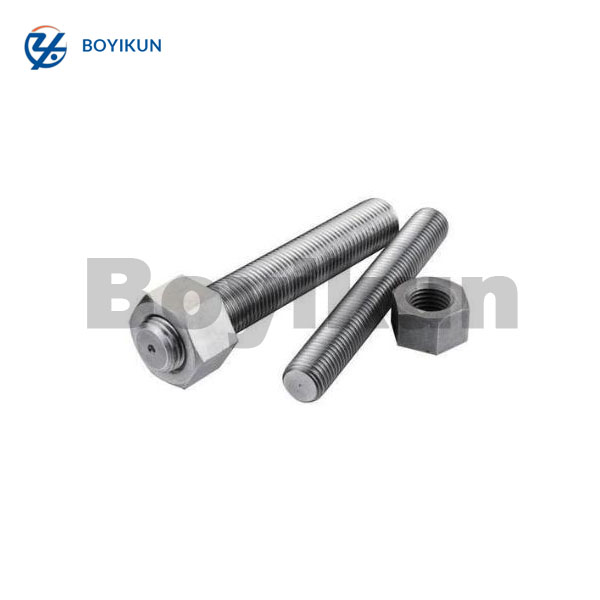
Table of Contents
- Introduction
- Types of Connection Fasteners
- Key Applications
- How to Choose the Right Fasteners
- Installation and Maintenance Tips
- Frequently Asked Questions
- Conclusion & Contact
Introduction
Connection fasteners are mechanical devices designed to hold two or more components together. They are fundamental in industries such as automotive, aerospace, construction, and electronics. Without reliable fasteners, structures may become unstable, leading to safety hazards, equipment failure, and costly downtime.
Choosing the right fasteners requires understanding material compatibility, load requirements, environmental conditions, and long-term durability. This guide provides a comprehensive overview of connection fasteners to help professionals optimize performance and safety.
Types of Connection Fasteners
Connection fasteners come in multiple types, each designed for specific applications and performance requirements. Below is a structured list of common fastener categories:
| Fastener Type | Description | Common Materials | Typical Applications |
|---|---|---|---|
| Bolts | Threaded fasteners used with nuts to join materials. | Steel, Stainless Steel, Brass, Aluminum | Construction, Machinery, Automotive |
| Screws | Threaded fasteners that often join components without a nut. | Steel, Stainless Steel, Aluminum, Plastic | Electronics, Woodworking, Industrial Assembly |
| Nuts | Paired with bolts to secure assemblies. | Steel, Stainless Steel, Brass | Structural, Mechanical Systems |
| Washers | Used to distribute load and prevent damage to surfaces. | Steel, Stainless Steel, Plastic | Industrial, Automotive, Furniture |
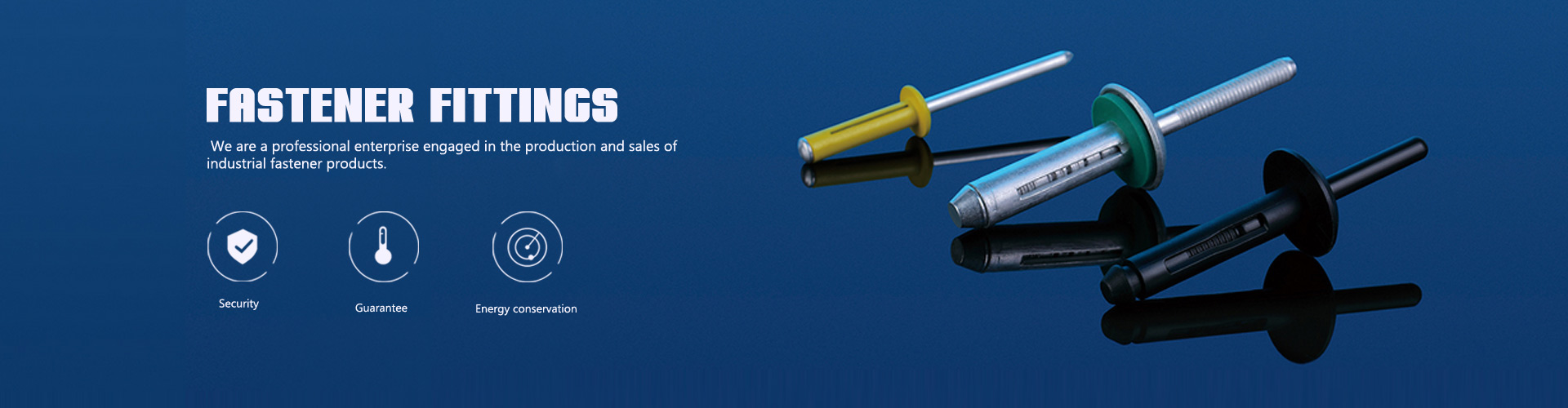
| Rivets | Permanent mechanical fasteners used in metal joining. | Aluminum, Steel, Copper | Aerospace, Automotive, Shipbuilding |
| Clips & Clamps | Non-threaded fasteners for temporary or adjustable connections. | Steel, Plastic, Stainless Steel | Automotive, Electrical Systems, Machinery |
Key Applications
Connection fasteners are indispensable in numerous sectors. Their performance directly impacts safety, durability, and operational efficiency. Common applications include:
- Automotive Industry: Engine assemblies, chassis connections, and interior fittings.
- Construction: Structural beams, metal frameworks, and concrete anchors.
- Aerospace: Aircraft panels, landing gear, and fuselage attachments.
- Electronics: Circuit board mounting, enclosures, and protective casings.
- Industrial Machinery: Heavy equipment assembly, conveyor systems, and robotics.
How to Choose the Right Fasteners
Selecting the proper fastener involves evaluating multiple factors to ensure safety, performance, and longevity.
1. Material Compatibility
The fastener material should match or be compatible with the joined components to prevent corrosion, wear, or galvanic reactions. Common materials include:
- Stainless steel for corrosion resistance
- Carbon steel for strength and cost-efficiency
- Aluminum for lightweight applications
- Brass or bronze for decorative or electrical applications
2. Load and Stress Considerations
Fasteners must withstand tensile, shear, and compressive forces according to application requirements. Engineers often consult standardized load tables to select appropriate sizes and strengths.
3. Environmental Conditions
Fasteners exposed to moisture, chemicals, or extreme temperatures require specialized coatings, stainless materials, or high-strength alloys to ensure durability.
4. Installation Requirements
Ease of assembly, required torque, and maintenance access are key considerations. Some fasteners are designed for repeated removal, while others provide permanent connections.
Installation and Maintenance Tips
Proper installation ensures optimal performance and prevents premature failure:
- Use the correct torque for bolts and screws.
- Apply washers to distribute load evenly.
- Regularly inspect for corrosion, loosening, or damage.
- Replace worn or damaged fasteners promptly.
- For critical applications, consider thread-locking compounds or anti-vibration solutions.
Frequently Asked Questions
Q1: What is the difference between bolts and screws?
Bolts typically require a nut to secure, whereas screws often thread directly into the material.
Q2: Can fasteners be reused?
Threaded fasteners like bolts and screws can often be reused if they are not damaged, but rivets and certain specialty fasteners are single-use.
Q3: How do I prevent fastener corrosion?
Choose corrosion-resistant materials like stainless steel, apply protective coatings, or use anti-corrosion lubricants suitable for the operating environment.
Q4: Why is proper torque important?
Incorrect torque can lead to loosening, material damage, or failure. Using torque wrenches and following manufacturer specifications is essential.
Conclusion & Contact
Connection fasteners are critical for ensuring the stability, safety, and efficiency of assemblies across multiple industries. High-quality fasteners reduce maintenance costs, enhance performance, and extend equipment lifespan. Companies like Boyikun provide precision-engineered fasteners that meet rigorous industry standards. For more information or to source reliable connection fasteners, contact us today and ensure your projects are securely fastened with trusted solutions.