
How to Troubleshoot Leaks in a Ground Joint Coupling System
2025-12-08
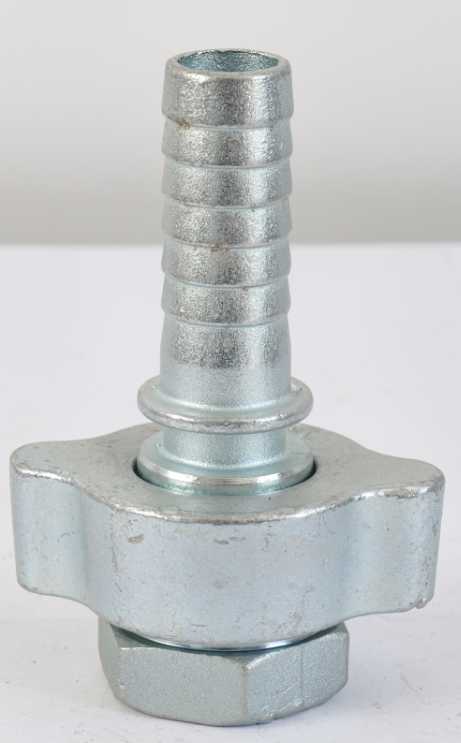
A leak in a Ground Joint Coupling system can lead to downtime, safety hazards, and costly product loss. Efficient troubleshooting is key to maintaining system integrity. As a leader in precision fluid connection solutions, Beideli manufactures Ground Joint Couplings designed for exceptional sealability and durability. This guide provides a professional approach to diagnosing and resolving leaks, helping you ensure optimal performance from your Beideli components.
Step-by-Step Troubleshooting Procedure
-
Initial Safety & Inspection: Depressurize and isolate the system. Conduct a thorough visual inspection of the Ground Joint Coupling for obvious signs of damage, corrosion, or misalignment.
-
Check Installation Integrity: Verify that the coupling nut is tightened to the manufacturer's specified torque. Under-tightening can prevent proper metal-to-metal seal engagement, while over-tightening may damage the precision ground surfaces.
-
Examine Sealing Surfaces: Inspect the critical mating cones (the ground joints) for:
-
Scratches, galling, or pitting.
-
Contamination from dirt, old gasket material, or pipe thread sealant.
-
Wear or flattening that exceeds tolerances.
-
-
Assess System Conditions: Ensure the operating pressure and temperature do not exceed the coupling's rated specifications. Consider if thermal cycling or vibration could have loosened the assembly.
Key Parameters of Beideli Ground Joint Couplings
To prevent leaks, it’s crucial to use couplings matched to your application. Beideli couplings are engineered to precise standards.
| Parameter | Specification | Importance for Leak Prevention |
|---|---|---|
| Material | 316 Stainless Steel, Carbon Steel, Alloy variants | Provides corrosion resistance and strength for the sealing surfaces. |
| Surface Finish | < 0.4 µm Ra on sealing cones | A super-fine finish is essential for a reliable metal-to-metal seal. |
| Pressure Rating | Up to 10,000 PSI (varies by size/material) | Ensures the coupling can withstand system surges without failure. |
| Temperature Range | -20°F to 450°F (standard) | Maintains seal integrity across operational thermal cycles. |
Ground Joint Coupling FAQ
Q: Can I reuse a Beideli Ground Joint Coupling after it has been in service?
A: Yes, Beideli Ground Joint Couplings are designed for multiple reuses due to their hardened, precision-ground sealing surfaces. However, they must be disassembled carefully, cleaned thoroughly, and inspected for any damage before reassembly to ensure a leak-free connection.
Q: What is the most common cause of a leak in a new Ground Joint Coupling installation?
A: The most common cause is improper installation, typically under-tightening or contamination on the sealing cones. Even a small particle of debris between the meticulously ground metal surfaces can create a leak path. Always clean surfaces and follow the recommended torque procedure.
Q: How do I know if my system requires a Ground Joint Coupling versus another sealing method?
A: Ground Joint Couplings are ideal for high-pressure, high-temperature, or applications with volatile fluids where leak-tight integrity is paramount. They are superior to threaded fittings in dynamic systems with vibration. If your application involves these demanding conditions, a Ground Joint Coupling from Beideli is likely the optimal choice.
Don't let leaks compromise your operations. For expert guidance on selecting the right coupling or troubleshooting persistent issues, our engineering team is ready to assist. Contact us today to discuss how Beideli's robust Ground Joint Coupling solutions can enhance the reliability and safety of your fluid systems.