
How to Properly Mate and Unmate S Series Metal Push-pull Connectors
2026-09-15
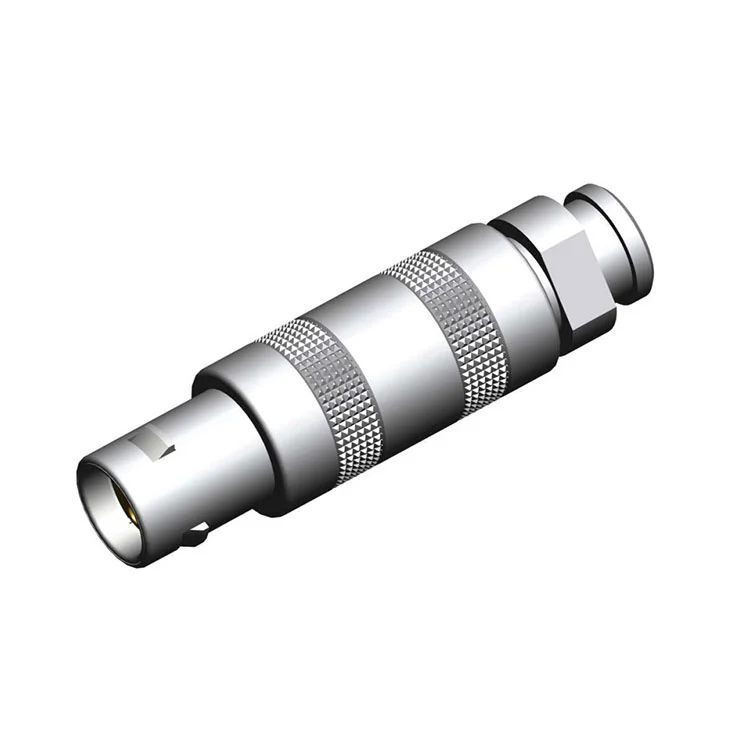
The reliable performance of any industrial system often depends on the integrity of its connections. S Series Metal Push-pull Connectors from Reunion are engineered to deliver secure, vibration-resistant mating in demanding environments. However, even the most robust connector can underperform if it is not mated and unmated correctly. This guide outlines professional best practices to ensure optimal signal integrity, extend connector lifespan, and maintain environmental sealing.
Why Proper Mating Matters
Incorrect handling can lead to bent pins, damaged seals, or intermittent contacts. Reunion designs its S Series Metal Push-pull Connector with a precision push-pull locking mechanism, but proper technique remains essential. The following table summarizes the key differences between correct and incorrect practices.
| Action | Correct Practice | Incorrect Practice |
|---|---|---|
| Alignment | Visually align key/keyway before pushing | Forcing connector at an angle |
| Mating force | Push straight until audible click | Twisting or rocking during insertion |
| Unmating | Pull release sleeve, then withdraw | Pulling cable directly |
| Inspection | Check O-ring and pins before each mate | Ignoring wear or debris |
Step-by-Step Mating Procedure
-
Inspect Both Halves – Verify that pins are straight and the interfacial seal is clean. Reunion recommends a quick visual check before every connection.
-
Align the Keyway – Locate the key on the plug and the keyway on the receptacle. Rotate gently until they engage.
-
Push Straight In – Apply axial force only. A distinct click confirms the S Series Metal Push-pull Connector is fully locked.
-
Verify Locking – Tug lightly on the cable to ensure the latch is engaged. Do not twist.
Step-by-Step Unmating Procedure
-
Grip the Release Sleeve – Slide the outer sleeve backward toward the cable.
-
Pull Smoothly – With the sleeve retracted, pull the connector straight out. Never pull the cable itself.
-
Protect the Connector – Replace dust caps immediately after unmating to prevent contamination.
Environmental and Electrical Considerations
Reunion S Series Metal Push-pull Connectors are rated for IP68 and high-mating cycles. The table below shows typical specifications that affect mating reliability.
| Parameter | Typical Value | Impact on Mating |
|---|---|---|
| Mating cycles | 5,000+ | Wear on locking mechanism |
| Operating temperature | -55°C to +125°C | Seal elasticity |
| Vibration resistance | 10–2000 Hz | Lock retention |
| Contact resistance | <5 mΩ | Signal integrity |
FAQ: S Series Metal Push-pull Connector Common Questions
Q: How can I tell if the S Series Metal Push-pull Connector is fully mated?
A: A distinct audible click and a slight tactile snap indicate full engagement. Additionally, visually confirm that the release sleeve has returned to its forward position and that no gap exists between the plug and receptacle. Reunion recommends a gentle axial tug to verify the lock.
Q: What should I do if the S Series Metal Push-pull Connector will not unmating easily?
A: Do not force it. Ensure the release sleeve is fully retracted. If resistance persists, inspect for debris or damage on the locking balls. Applying a small amount of silicone lubricant to the O-ring may help, but never use petroleum-based products.
Q: Can I mate or unmate the S Series Metal Push-pull Connector while the circuit is live?
A: Reunion S Series Metal Push-pull Connectors are not designed for hot-swapping unless explicitly rated. Always de-energize the circuit before mating or unmating to prevent arcing and contact erosion. For live applications, consult Reunion for specific current-breaking ratings.
Q: How often should I inspect the S Series Metal Push-pull Connector for wear?
A: Inspect before every mating cycle in critical applications. For general industrial use, a monthly inspection is recommended. Replace any connector showing cracked seals, bent pins, or excessive play in the locking mechanism.
Q: Are there different mating tools required for the S Series Metal Push-pull Connector?
A: No special tools are required for standard mating. However, for high-density inserts or confined spaces, Reunion offers extraction tools and torque aids to ensure proper alignment without damaging contacts.
For technical support, custom configurations, or to request a sample of the Reunion S Series Metal Push-pull Connector, please contact us today. Our engineering team is ready to help you specify the right connector for your application.