
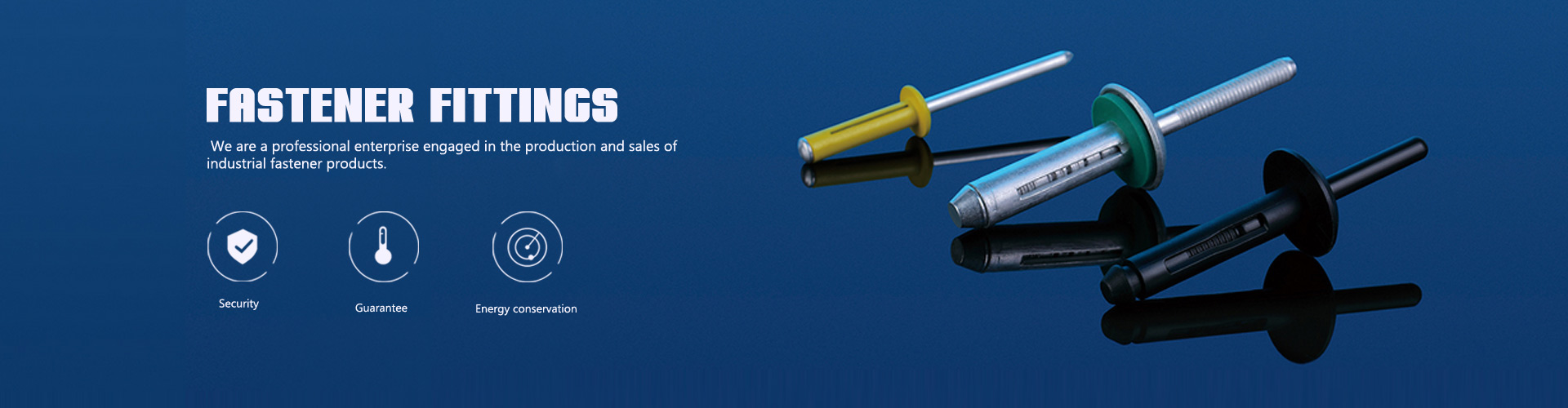
How to Choose and Use Motorcycle Fasteners Effectively?
2026-01-05
Abstract: Motorcycle Fasteners are critical components for ensuring safety, reliability, and performance in motorcycles. This comprehensive article explores how to select, install, and maintain Motorcycle Fasteners, presents detailed product parameters, addresses frequently asked questions, and provides professional guidance for both enthusiasts and mechanics. By understanding the core principles behind fastener selection and application, users can enhance durability, safety, and overall vehicle performance.
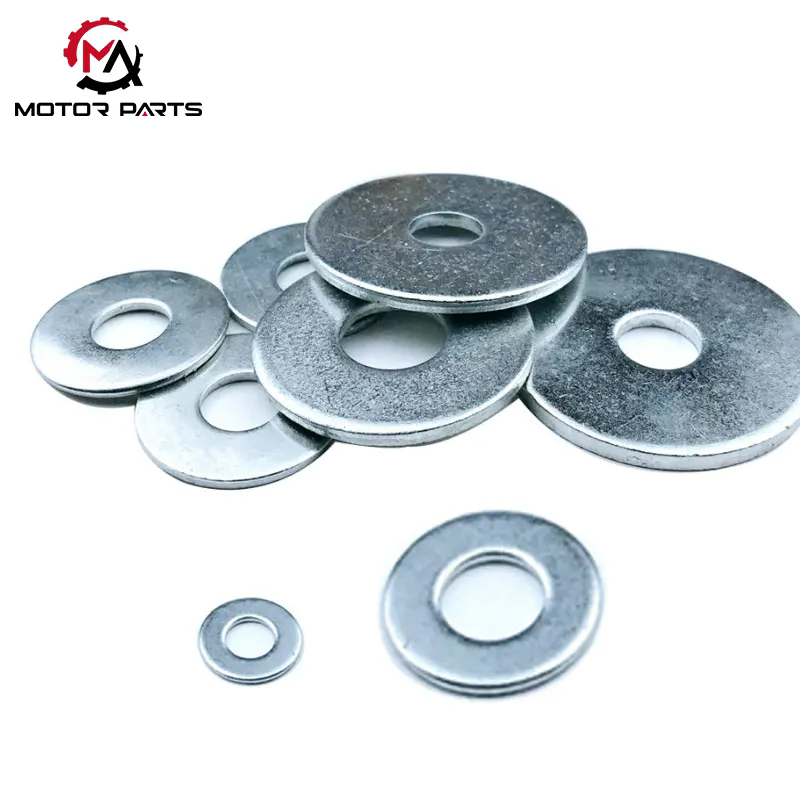
Table of Contents
- 1. Introduction to Motorcycle Fasteners
- 2. How to Select the Right Motorcycle Fastener?
- 3. How to Properly Install Motorcycle Fasteners?
- 4. Common Problems and Maintenance Tips
- 5. Frequently Asked Questions
- 6. Conclusion and Brand Information
1. Introduction to Motorcycle Fasteners
Motorcycle Fasteners include bolts, nuts, screws, washers, and clips used to secure motorcycle components such as engines, frames, brakes, and fairings. Their quality directly influences the safety, stability, and longevity of motorcycles. Motorcycle Fasteners are manufactured from high-strength materials such as stainless steel, titanium, and alloy steel, often treated for corrosion resistance and mechanical strength.
Motorcycle Fastener Specifications:
| Parameter | Description |
|---|---|
| Material | Stainless Steel, Titanium, Alloy Steel |
| Thread Size | M4, M5, M6, M8, M10 |
| Length | 10mm to 100mm depending on application |
| Coating | Zinc Plating, Black Oxide, Anodized |
| Strength Grade | 8.8, 10.9, 12.9 |
| Application | Engine, Frame, Suspension, Fairing, Brakes |
2. How to Select the Right Motorcycle Fastener?
Choosing the correct Motorcycle Fastener requires a thorough understanding of mechanical requirements, load conditions, and environmental factors. Incorrect selection can lead to mechanical failure, corrosion, or unsafe riding conditions.
2.1 Understanding Material Strength
Different motorcycle components demand fasteners with specific strength grades. For critical engine and brake components, high tensile strength fasteners (grades 10.9 or 12.9) are recommended. Stainless steel fasteners provide corrosion resistance, while titanium fasteners offer high strength-to-weight ratios for racing or performance motorcycles.
2.2 Thread Type and Fit
Thread size and pitch must match component specifications. Fine threads are preferred for high-strength applications, while coarse threads are suitable for general assembly. Ensuring precise compatibility minimizes wear and loosening under vibration.
2.3 Environmental Considerations
Fasteners exposed to moisture or chemical exposure require coatings or corrosion-resistant materials. Zinc-plated or anodized fasteners are standard for outdoor durability, while stainless steel remains a premium choice for longevity in harsh conditions.
3. How to Properly Install Motorcycle Fasteners?
Correct installation ensures that Motorcycle Fasteners maintain mechanical integrity and prevent component failure.
3.1 Torque Specifications
Every fastener has a recommended torque value. Over-tightening may strip threads or break the fastener, while under-tightening risks loosening under vibration. Torque specifications should be followed precisely according to manufacturer guidelines.
3.2 Use of Locking Mechanisms
Lock washers, thread-locking compounds, or self-locking nuts prevent fasteners from loosening due to vibration. Selecting the right locking method is crucial for safety-critical components such as brakes and suspension.
3.3 Sequential Tightening
For assemblies with multiple fasteners, sequential tightening in a crisscross pattern ensures even stress distribution. This is essential for engine mounts, brake calipers, and fairing panels.
4. Common Problems and Maintenance Tips
Regular inspection and maintenance of Motorcycle Fasteners extend the service life and prevent accidents. Key tips include:
- Check fasteners periodically for signs of corrosion or loosening.
- Replace damaged or stripped fasteners immediately.
- Use torque wrenches to ensure precise tightening.
- Apply anti-seize compound for stainless steel or titanium fasteners to prevent galling.
- Keep spare fasteners for critical components during long rides or racing events.
5. Frequently Asked Questions About Motorcycle Fasteners
Q1: How can I identify the correct thread size for a replacement fastener?
A1: Thread size can be determined by consulting the motorcycle service manual or measuring the diameter and pitch using a thread gauge. Ensure the replacement fastener matches both diameter and pitch to prevent mechanical issues or loosening.
Q2: What is the best material choice for motorcycle fasteners exposed to rain and saltwater?
A2: Stainless steel or coated alloy steel fasteners provide superior corrosion resistance in wet and salty conditions. Titanium fasteners are also suitable for high-performance applications where both corrosion resistance and lightweight properties are required.
Q3: How often should motorcycle fasteners be checked for tightness?
A3: Critical fasteners such as engine bolts, brake components, and suspension mounts should be inspected every 2,000–5,000 km or after long rides. Routine checks prevent vibration-induced loosening and ensure rider safety.
6. Conclusion and Brand Information
Motorcycle Fasteners are indispensable for vehicle integrity, safety, and performance. Proper selection, precise installation, and regular maintenance can significantly reduce mechanical failures and extend component lifespan. For those seeking high-quality Motorcycle Fasteners with detailed specifications and professional guidance, Max Trading provides a reliable source of premium fasteners suitable for a variety of motorcycle models and applications. For inquiries or orders, contact us to receive expert support and solutions tailored to your needs.