
How to Choose and Use Hexagon Machine Screws Effectively?
2025-12-30
Abstract: Hexagon Machine Screws are a fundamental component in industrial, automotive, and construction applications. This article provides a comprehensive guide to understanding the specifications, installation techniques, and maintenance considerations of Hexagon Machine Screws. The guide also addresses common questions, practical tips, and technical considerations to help users select the right screws for specific applications.
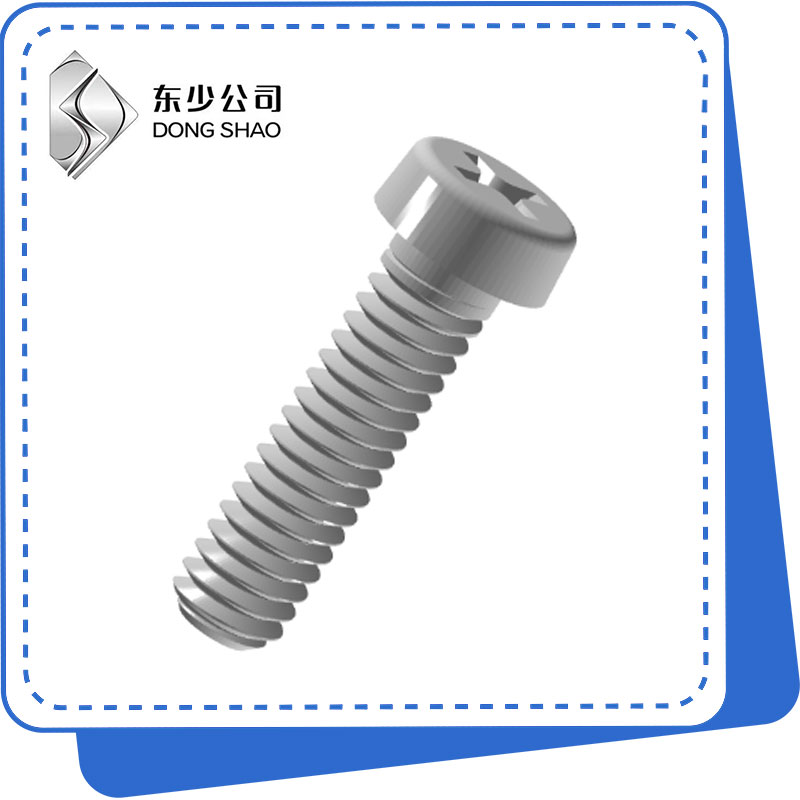
Table of Contents
- Introduction to Hexagon Machine Screws
- Specifications and Technical Details
- Installation Techniques and Best Practices
- Common Questions About Hexagon Machine Screws
- Conclusion and Brand Information
Introduction to Hexagon Machine Screws
Hexagon Machine Screws, also referred to as hex bolts, are widely used for assembling metal, wood, and composite materials in industries ranging from manufacturing to construction. They feature a hexagonal head designed for wrench or socket-driven installation, allowing for higher torque application and secure fastening. Hexagon Machine Screws provide reliable performance in both high-load and high-vibration environments, making them a versatile choice for engineering projects.
This guide focuses on the central aspects of Hexagon Machine Screws, including:
- Understanding size, material, and threading specifications
- Selecting the appropriate screw for a given application
- Best installation practices to ensure longevity and reliability
- Answers to frequently asked questions for practical decision-making
Specifications and Technical Details
Hexagon Machine Screws come in various dimensions, materials, and threading types. Below is a detailed specification table summarizing the most common options available in the industry:
| Parameter | Description | Common Range |
|---|---|---|
| Thread Size | Diameter of the screw thread | M3 – M30 |
| Length | Total screw length from head to tip | 10mm – 300mm |
| Material | Construction material of the screw | Stainless Steel, Carbon Steel, Alloy Steel, Brass |
| Head Type | Shape of the screw head | Hexagonal |
| Thread Type | Thread pattern and pitch | Coarse Thread, Fine Thread |
| Surface Treatment | Corrosion resistance and appearance | Galvanized, Zinc Plated, Black Oxide |
| Tensile Strength | Maximum load-bearing capacity | 4.8 – 12.9 grade |
Installation Techniques and Best Practices
How to Select the Correct Hexagon Machine Screw for Your Project?
Selection should be based on load requirements, environmental conditions, and material compatibility. Factors to consider include:
- Strength grade to handle mechanical load
- Material type for corrosion resistance
- Thread type for matching with nuts or tapped holes
- Length to ensure proper engagement with materials
How to Install Hexagon Machine Screws Securely?
Proper installation ensures longevity and reduces failure risks. Follow these steps:
- Align screw with the threaded hole or nut
- Use a calibrated torque wrench to apply appropriate torque
- Avoid over-tightening to prevent stripping threads
- Use washers if necessary to distribute load
- Verify tightness periodically in high-vibration applications
How to Maintain and Inspect Hexagon Machine Screws?
Routine maintenance improves performance and safety:
- Inspect screws regularly for corrosion or thread damage
- Replace damaged screws immediately
- Lubricate threads in high-friction environments
- Ensure torque levels are within specification
Common Questions About Hexagon Machine Screws
Q1: What materials are Hexagon Machine Screws typically made of?
A1: Hexagon Machine Screws are primarily manufactured from stainless steel, carbon steel, alloy steel, and sometimes brass. Stainless steel provides corrosion resistance, while alloy steel offers high strength. Material selection depends on the environmental exposure and mechanical load requirements.
Q2: What is the difference between coarse thread and fine thread screws?
A2: Coarse thread screws have fewer threads per inch, providing quicker assembly and higher resistance to stripping in soft materials. Fine thread screws have more threads per inch, offering greater tensile strength and precise adjustment in metal applications. The choice depends on load, material type, and required precision.
Q3: How to determine the correct torque for Hexagon Machine Screws?
A3: Torque selection depends on screw size, material grade, and application. Manufacturers provide torque charts indicating maximum recommended torque to avoid thread stripping or head damage. Always use a calibrated torque wrench and consult specifications for each screw type.
Q4: Can Hexagon Machine Screws be reused?
A4: Reuse is generally discouraged if the screw has been subjected to high load or has any signs of wear, thread deformation, or corrosion. For critical applications, replacement with new screws ensures safety and reliability.
Q5: How to prevent corrosion of Hexagon Machine Screws?
A5: Use corrosion-resistant materials like stainless steel or apply surface treatments such as galvanization, zinc plating, or black oxide. Regular inspection and maintenance in humid or chemically aggressive environments are recommended.
Conclusion and Brand Information
Hexagon Machine Screws remain an essential component in industrial and construction applications due to their versatility, strength, and ease of installation. Selecting the correct specifications, applying proper installation techniques, and performing routine maintenance ensures optimal performance across diverse environments. DONGSHAO provides high-quality Hexagon Machine Screws with a full range of sizes, grades, and materials suitable for professional engineering and manufacturing projects. For further assistance or to explore our complete product range, please contact us directly.