
How Sustainable Is Investment Casting Compared to Other Methods
2025-12-10
When manufacturers seek precision components, the choice of casting process is critical, not only for performance but also for environmental impact. Investment casting, often called the lost-wax process, frequently emerges as a frontrunner in sustainability discussions. At Supreme, we have refined this ancient technique into a modern, efficient, and eco-conscious manufacturing solution. The inherent characteristics of the investment casting process—minimal material waste, excellent metal utilization, and the ability to produce near-net-shape parts—contribute significantly to its green credentials. Compared to methods like sand casting or machining from billet, which generate substantial scrap, investment casting at Supreme optimizes resource use from the start.
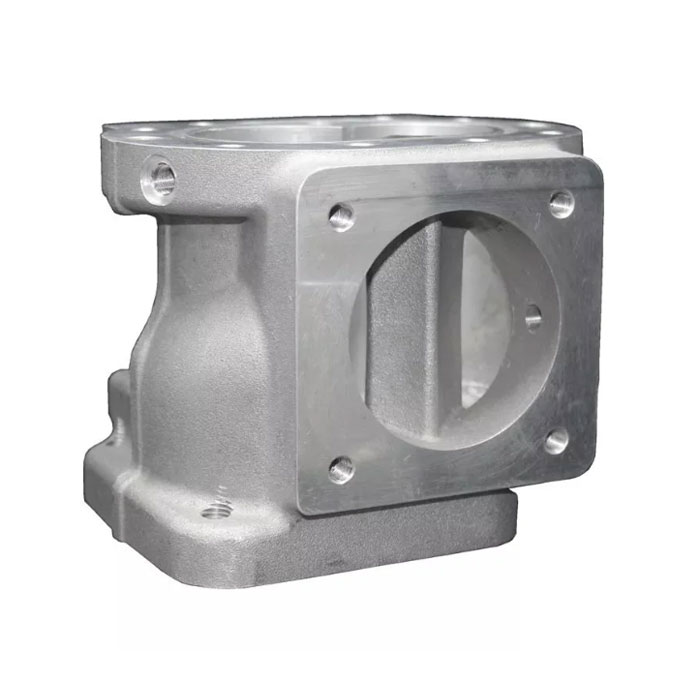
Supreme's Commitment to Sustainable Precision
Our Supreme Investment Casting services are engineered for efficiency and reduced environmental footprint. Key sustainable product parameters include:
-
Material Yield > 95%: Maximizes use of raw materials, drastically reducing scrap metal sent for recycling.
-
Recyclable Materials: Ceramic shells and leftover metals are systematically collected and recycled in-house.
-
Energy-Efficient Furnaces: Utilizing modern, high-efficiency melting technology to lower energy consumption per unit.
-
Aqueous Binder Systems: Our primary shell-building process uses water-based binders, reducing VOC emissions compared to solvent-based alternatives.
To clearly illustrate the sustainability advantage, consider this comparison:
| Sustainability Factor | Investment Casting (e.g., Supreme) | Sand Casting | Machining from Billet |
|---|---|---|---|
| Material Waste | Very Low (Near-net-shape) | High | Very High |
| Energy Intensity | Moderate (Single melt pour) | Moderate to High | Very High (Multiple steps) |
| Recyclability of Waste | High (Metal & ceramic) | Medium (Sand often landfilled) | High (Metal chips only) |
| Typical Buy-to-Fly Ratio | ~1.1:1 | ~1.5:1 to 2:1 | Can exceed 5:1 |
Investment Casting FAQ: Sustainability Focus
Q: Does investment casting produce a lot of hazardous waste?
A: Not typically. Modern foundries like Supreme prioritize eco-friendly practices. The primary waste streams—sprues/risers (metal) and ceramic shell molds—are highly recyclable. We employ aqueous binder systems to minimize hazardous air pollutants.
Q: Is investment casting energy-intensive due to the multiple steps involved?
A: While the process has several stages, its overall energy efficiency is competitive. Producing a precise, finished component in a single pour avoids the massive energy consumption of machining away up to 80% of a solid billet. Supreme further reduces this footprint with state-of-the-art, efficient equipment.
Q: How does the durability of investment cast parts contribute to sustainability?
A: Sustainability encompasses product lifecycle. Parts cast by Supreme offer superior integrity and fatigue resistance, leading to longer service life in demanding applications. This durability reduces the frequency of replacement, conserving resources and energy over the long term.
Choosing an advanced investment casting partner is a direct step toward more sustainable manufacturing. The Supreme process is designed to deliver exceptional precision while conscientiously managing material and energy inputs. For industries where performance and planetary responsibility must align, our method offers a compelling solution.
Ready to integrate sustainable precision into your supply chain? Contact Supreme today to discuss how our investment casting expertise can optimize the performance and eco-profile of your critical components.