
How High-Pressure Type Systems Improve Industrial Efficiency?
2026-03-19
Abstract
High-Pressure Type systems play a critical role in modern industrial operations by delivering powerful force through compact and efficient mechanisms. These systems are widely used in construction, manufacturing, oil & gas, and heavy machinery due to their ability to generate high force with precise control. This article explains how High-Pressure Type technology works, its key components, advantages, application scenarios, and how to select the right system to address common customer challenges such as inefficiency, equipment failure, and safety risks.
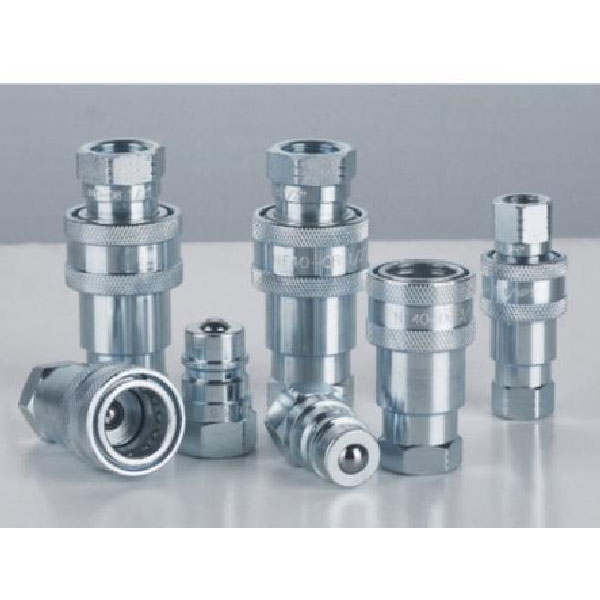
Table of Contents
- Outline
- What Is High-Pressure Type?
- How High-Pressure Type Systems Work
- Key Components of High-Pressure Type Systems
- Core Advantages
- Industrial Applications
- How to Choose the Right System
- Common Problems and Solutions
- FAQ
- Conclusion
Outline
- Introduction to High-Pressure Type systems
- Technical working principles
- System components and configuration
- Advantages and performance benefits
- Real-world industrial applications
- Selection guidelines for buyers
- Common operational challenges
- Frequently asked questions
What Is High-Pressure Type?
High-Pressure Type refers to systems designed to operate under significantly elevated pressure levels, typically above 450 bar and often reaching up to 700 bar or more depending on the application. :contentReference[oaicite:0]{index=0}
These systems use pressurized fluids (such as hydraulic oil or water) to transmit energy and perform mechanical work. The primary objective is to achieve high power density—delivering substantial force through relatively compact equipment. :contentReference[oaicite:1]{index=1}
Compared to conventional systems, High-Pressure Type solutions allow industries to reduce equipment size while maintaining or even increasing output force, making them essential in space-constrained or heavy-duty environments.
How High-Pressure Type Systems Work
The operation of High-Pressure Type systems is based on fundamental fluid mechanics principles, particularly Pascal’s Law, which states that pressure applied to a confined fluid is transmitted equally in all directions. :contentReference[oaicite:2]{index=2}
- A pump generates high-pressure fluid
- The fluid travels through reinforced pipelines or hoses
- Valves regulate pressure and flow
- Actuators (cylinders or motors) convert pressure into force or motion
Power output depends on both pressure and flow. Increasing pressure allows the system to deliver the same power with lower flow rates, enabling smaller and more efficient system designs. :contentReference[oaicite:3]{index=3}
Key Components of High-Pressure Type Systems
| Component | Function |
|---|---|
| High-Pressure Pump | Generates required pressure levels |
| Hydraulic Fluid | Transfers energy within the system |
| Valves | Control direction, pressure, and flow |
| Actuators | Convert pressure into mechanical force |
| Hoses & Fittings | Transport fluid safely under pressure |
| Control System | Ensures precise and automated operation |
Each component must be specifically engineered to withstand high-pressure conditions, as standard components may fail under extreme loads. :contentReference[oaicite:4]{index=4}
Core Advantages of High-Pressure Type Systems
-
High Power Density
Deliver greater force using smaller equipment, reducing installation space. -
Precision Control
Enable accurate and repeatable operations in critical applications. -
Energy Efficiency
Lower flow requirements reduce energy consumption while maintaining output. -
Versatility
Applicable across multiple industries and operational scenarios. -
Load Holding Capability
Maintain force without continuous energy input, improving efficiency. :contentReference[oaicite:5]{index=5}
Industrial Applications
High-Pressure Type systems are widely used in industries requiring strong, controlled force:
- Construction equipment (lifting, demolition)
- Manufacturing and metal forming
- Oil & gas (pipeline testing and chemical injection)
- Automotive and heavy machinery
- Hydrostatic pressure testing
These systems can handle applications such as bolt tensioning, hydraulic lifting, and pressure testing up to extremely high levels, even exceeding hundreds of MPa in specialized setups. :contentReference[oaicite:6]{index=6}
How to Choose the Right High-Pressure Type System
Selecting the correct system is critical to avoid inefficiency, safety risks, and costly downtime.
-
Pressure Requirements
Ensure the system meets maximum working and peak pressure demands. -
Flow Rate
Match flow with operational speed requirements. -
Material Compatibility
Verify compatibility with hydraulic fluids and environmental conditions. -
Component Quality
Use certified hoses, valves, and fittings rated for high pressure. -
Safety Features
Include pressure relief systems or protection systems to prevent over-pressurization.
Common Problems and Practical Solutions
| Problem | Cause | Solution |
|---|---|---|
| Hose Failure | Incorrect pressure rating | Use reinforced high-pressure hoses |
| Leakage | Poor fittings or installation | Ensure proper sealing and compatibility |
| Overheating | Excessive pressure or poor cooling | Install cooling systems and monitor load |
| System Inefficiency | Improper configuration | Optimize pressure-flow balance |
| Safety Risks | Over-pressurization | Use pressure protection systems |
FAQ
What pressure range defines High-Pressure Type systems?
Typically, systems operating above 450 bar are considered high-pressure, with some reaching up to 700 bar or higher depending on the application.
Why choose high pressure instead of high flow?
Higher pressure allows systems to generate the same power with lower flow, resulting in smaller, more compact equipment and improved efficiency.
Are High-Pressure Type systems safe?
Yes, when properly designed and maintained. Safety depends on using correctly rated components, proper installation, and pressure control systems.
What industries benefit the most from High-Pressure Type systems?
Industries such as construction, manufacturing, oil & gas, and heavy machinery benefit significantly due to their need for high force and precision.
Conclusion
High-Pressure Type systems are essential for industries that demand high performance, precision, and efficiency. By utilizing advanced hydraulic principles, these systems provide unmatched power density and operational reliability.
WayFong specializes in delivering high-quality High-Pressure Type solutions designed to meet demanding industrial requirements. With a focus on durability, performance, and safety, WayFong products help businesses reduce downtime and improve operational efficiency.
For customized solutions and expert guidance tailored to your application, visit the official product page or contact us today to discuss how High-Pressure Type systems can optimize your operations.