
How Does the Use of Recycled Plastic Material Reduce the Carbon Footprint of Manufacturing?
2026-09-23
When a manufacturing company sets a carbon reduction target, the focus often goes to energy efficiency, renewable electricity, and logistics optimization. These are important, but they can be slow and capital intensive. The choice of raw material is a faster lever. Switching from virgin to recycled Plastic Material can reduce the embodied carbon of a product by 40 to 70 percent, depending on the polymer type and the recycling route. This reduction is immediate because it is built into the material itself. This guide explains the carbon accounting behind recycled plastics and how to verify the reduction in your own supply chain.
1. What Are the Sources of Carbon Emissions in Virgin Plastic Production?
The carbon footprint of virgin Plastic Material comes from three stages: feedstock extraction, polymerization, and compounding. Feedstock extraction begins with oil or gas, which is drilled, transported, and cracked into monomers like ethylene and propylene. This stage accounts for 30 to 40 percent of the total emissions. Polymerization converts the monomers into long-chain polymers. This is an energy-intensive process that requires heat and pressure, and it accounts for 40 to 50 percent of emissions. Compounding adds additives, colorants, and fillers, and pellets the material. This stage accounts for 10 to 20 percent. The total carbon footprint of virgin polyethylene or polypropylene is typically 1.8 to 2.5 kg CO2 equivalent per kilogram of material. The table below shows the breakdown by polymer type.
| Polymer type | Feedstock extraction (kg CO2e/kg) | Polymerization (kg CO2e/kg) | Compounding (kg CO2e/kg) | Total virgin footprint |
| HDPE | 0.65 | 0.85 | 0.20 | 1.70 |
| PP | 0.70 | 0.90 | 0.25 | 1.85 |
| PET | 0.80 | 1.05 | 0.30 | 2.15 |
| ABS | 0.95 | 1.30 | 0.40 | 2.65 |
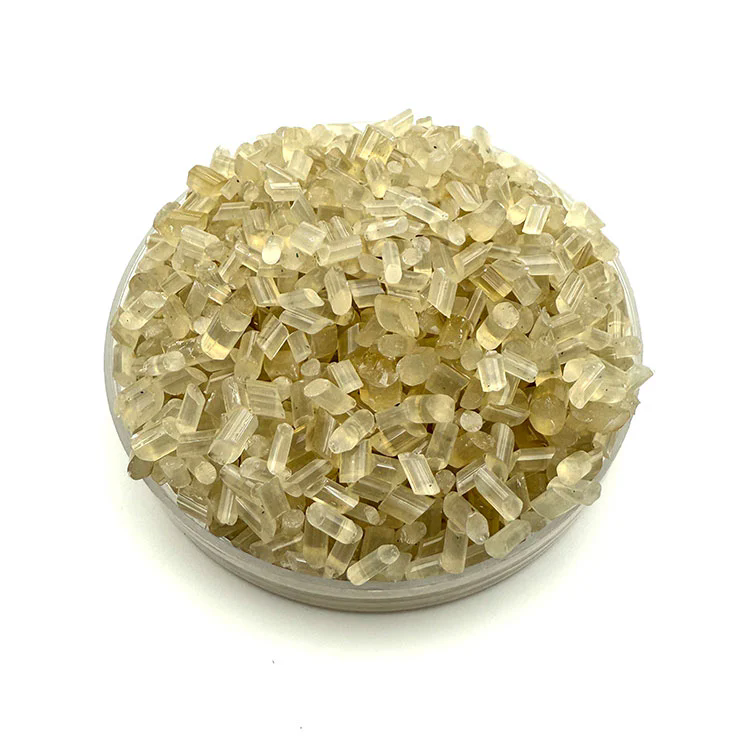
In our factory, we source recycled Plastic Material from post-industrial and post-consumer streams. The post-industrial stream comes from manufacturing scrap that is clean and consistent. The post-consumer stream comes from collected products that are sorted, washed, and reprocessed. We test every batch for melt flow index, density, and contamination to ensure consistent performance.
2. How Does the Carbon Footprint of Recycled Plastic Compare to Virgin?
Recycled Plastic Material avoids the feedstock extraction and polymerization stages. The recycling process begins with collection, sorting, and washing. These steps are energy intensive, but they are far less carbon intensive than producing virgin polymer from oil or gas. The total carbon footprint of recycled HDPE is typically 0.5 to 0.9 kg CO2e per kilogram. This is a reduction of 50 to 70 percent compared to virgin HDPE. The reduction is lower for recycled PET because the washing and decontamination steps are more energy intensive. The table below compares the carbon footprint of virgin and recycled polymers.
| Polymer type | Virgin footprint (kg CO2e/kg) | Recycled footprint (kg CO2e/kg) | Reduction |
| HDPE | 1.70 | 0.65 | 62% |
| PP | 1.85 | 0.75 | 59% |
| PET | 2.15 | 0.95 | 56% |
| ABS | 2.65 | 1.35 | 49% |
Ningbo JUWU International Trading Co., Ltd. supplies recycled Plastic Material in pellet form for injection molding and extrusion. Our factory provides a carbon footprint declaration for each grade, based on the data from our suppliers and our own processing records. We also offer a mass balance calculation for customers who require a documented carbon reduction for their sustainability reports.
3. How Does the Recycling Route Affect the Carbon Reduction?
Not all recycled Plastic Material has the same carbon footprint. The recycling route matters. There are three main routes: mechanical recycling, chemical recycling, and energy recovery. Mechanical recycling is the most common and the most carbon efficient. It involves grinding, washing, and re-pelletizing. Chemical recycling breaks the polymer down into monomers and re-polymerizes them. It can handle mixed and contaminated streams, but it is more energy intensive. Energy recovery incinerates the plastic to generate heat or electricity. It is not considered recycling for carbon accounting purposes because the carbon is released into the atmosphere. The table below compares the carbon footprint of these routes.
| Recycling route | Carbon footprint (kg CO2e/kg) | Feedstock flexibility | Typical application |
| Mechanical recycling | 0.5 – 0.9 | Low (clean streams only) | Packaging, automotive parts |
| Chemical recycling | 1.0 – 1.4 | High (mixed and contaminated) | Food grade, medical |
| Energy recovery | 2.0 – 2.5 (net) | Very high | Not a recycling route |
In our factory, we focus on mechanical recycling because it provides the highest carbon reduction and the lowest cost. We also work with partners who provide chemically recycled material for customers who need food-grade or medical-grade recycled content.
4. How Can Manufacturers Verify the Carbon Reduction Claims?
Verification is essential for credible sustainability reporting. There are three levels of verification. The first is a supplier declaration. The supplier provides a statement of recycled content and a carbon footprint calculation. This is the lowest level of assurance. The second is a third-party certification. An independent auditor verifies the recycled content and the carbon footprint according to a recognized standard, such as ISO 14067 or the GHG Protocol. The third is a full life cycle assessment. This is the most rigorous and the most expensive. It covers all stages from raw material extraction to end-of-life disposal. For most manufacturers, third-party certification of recycled content is sufficient. In our factory, we provide full traceability documentation for every batch of recycled Plastic Material, including the source of the waste, the processing route, and the carbon footprint calculation. We also support customer audits and third-party verification.
Frequently Asked Questions About Recycled Plastic and Carbon Footprint
Summary for Sustainability Managers and Procurement Teams
The use of recycled Plastic Material is one of the most effective ways to reduce the carbon footprint of manufacturing. It avoids the feedstock extraction and polymerization stages that dominate the carbon footprint of virgin plastic. The reduction is 50 to 70 percent for common polymers. The carbon benefit depends on the recycling route, with mechanical recycling providing the highest reduction. Verification through third-party certification ensures that the claims are credible. JUWU has been supplying recycled Plastic Material for over 10 years and provides full traceability and carbon footprint documentation.
Ningbo JUWU International Trading Co., Ltd. supplies recycled HDPE, PP, PET, and ABS in pellet form. We provide carbon footprint declarations, technical data sheets, and regulatory compliance documents for all of our products.