
How Does the Thread Pitch Affect the Performance of a Hexagon Head Bolt
2026-02-27
Selecting the correct fastener is critical for structural integrity, and understanding the mechanics of a Hexagon Head Bolt is the first step toward a safe assembly. At JINSIXI, we specialize in precision fasteners, and we often find that engineers overlook one crucial specification: the thread pitch. The thread pitch—the distance between threads—directly dictates how a bolt handles load, vibration, and environmental stress.
The Mechanical Impact of Thread Pitch
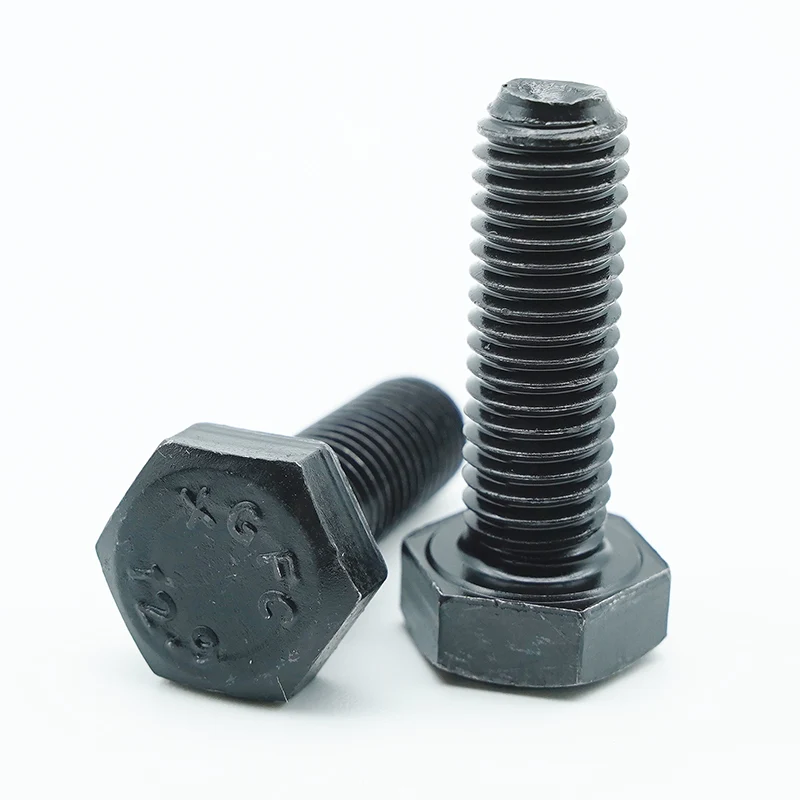
The thread pitch determines the mechanical advantage and holding power of the Hexagon Head Bolt. It is generally categorized into two types: Coarse (UNC) and Fine (UNF). Each type offers distinct performance characteristics that make them suitable for specific applications.
Below is a comparison of how different thread pitches affect performance metrics:
| Performance Factor | Coarse Thread (UNC) | Fine Thread (UNF) |
|---|---|---|
| Installation Speed | Faster assembly due to fewer turns required. | Slower assembly requiring more precise turning. |
| Stripping Resistance | Higher resistance to stripping in brittle materials. | Lower resistance to stripping; requires careful torque. |
| Tensile Stress Area | Larger core diameter offers higher tensile strength. | Slightly smaller core diameter than coarse for same size. |
| Vibration Resistance | Generally loosens under severe vibration. | Superior resistance due to smaller helix angle. |
| Adjustment Accuracy | Less precise for fine adjustments. | Ideal for precise tuning and adjustments. |
Coarse Thread vs. Fine Thread in Application
When choosing a Hexagon Head Bolt, the environment dictates the thread choice.
Coarse threads are the industry standard for general construction and mass production. Because they are less likely to cross-thread and provide greater clearance for plating and coatings, they are ideal for quick installations. They are also better suited for soft materials like cast iron or aluminum, as the deeper threads provide a stronger hold.
Fine threads, on the other hand, excel in high-vibration environments such as automotive engines or heavy machinery. The smaller thread angle creates a larger pitch diameter, which requires less torque to develop the same clamping force. However, they are more susceptible to galling and damage from dirt or corrosion.
Ensuring Quality with JINSIXI Fasteners
Understanding the technical specifications is vital, but so is the quality of the raw material. At JINSIXI, every Hexagon Head Bolt is manufactured to strict tolerances to ensure that the thread pitch is consistent and burr-free. This precision prevents stress risers that lead to bolt failure and ensures that the calculated performance matches the real-world application.
Frequently Asked Questions
Here are some common queries regarding the performance of a Hexagon Head Bolt:
Q: Will a finer thread pitch make my Hexagon Head Bolt stronger against vibration?
A: Yes, generally a fine thread pitch offers superior resistance to loosening under vibration compared to a coarse thread. This is because the helix angle is smaller, which means the thread is wrapped around the bolt more times. This creates a greater frictional resistance between the threads and the nut. However, for extreme vibration, you should still consider using a mechanical locking device or a thread-locking fluid in conjunction with your Hexagon Head Bolt.
Q: How does thread pitch affect the load capacity of a Hexagon Head Bolt?
A: While it might seem counterintuitive, a coarse thread Hexagon Head Bolt actually has a slightly larger tensile stress area than a fine thread bolt of the same nominal diameter. This means it can technically withstand a higher static tensile load before breaking. However, fine thread bolts often have better fatigue resistance due to their lower stress concentration factor, making them better for dynamic loads.
Q: Can I replace a coarse thread Hexagon Head Bolt with a fine thread one in an existing assembly?
A: No, absolutely not. The thread pitch must match the mating component exactly. If the nut or threaded hole is cut for a coarse thread, forcing a fine thread Hexagon Head Bolt into it will immediately damage the threads on both components, leading to a catastrophic failure. Always verify the pitch using a thread gauge before installation.
Conclusion
The thread pitch of a Hexagon Head Bolt is a fundamental design element that dictates its suitability for specific tasks—from the speed of assembly to its survival in high-vibration environments. Whether you require the rugged reliability of coarse threads or the fatigue resistance of fine threads, precision is non-negotiable.
Contact us at JINSIXI today to discuss your project specifications and ensure you are using the highest quality fasteners available.