
How Does a Water Pump Pulley Improve Engine Cooling Efficiency?
2026-03-27
Abstract
The water pump pulley plays a critical yet often overlooked role in maintaining optimal engine temperature. By transferring mechanical power from the engine’s crankshaft to the water pump, it ensures proper coolant circulation. This article explores how a water pump pulley functions, why it matters for performance and durability, and how to select the right one for your application. Whether you are an automotive professional or a buyer sourcing components, this guide addresses common pain points such as overheating, premature wear, and compatibility issues.
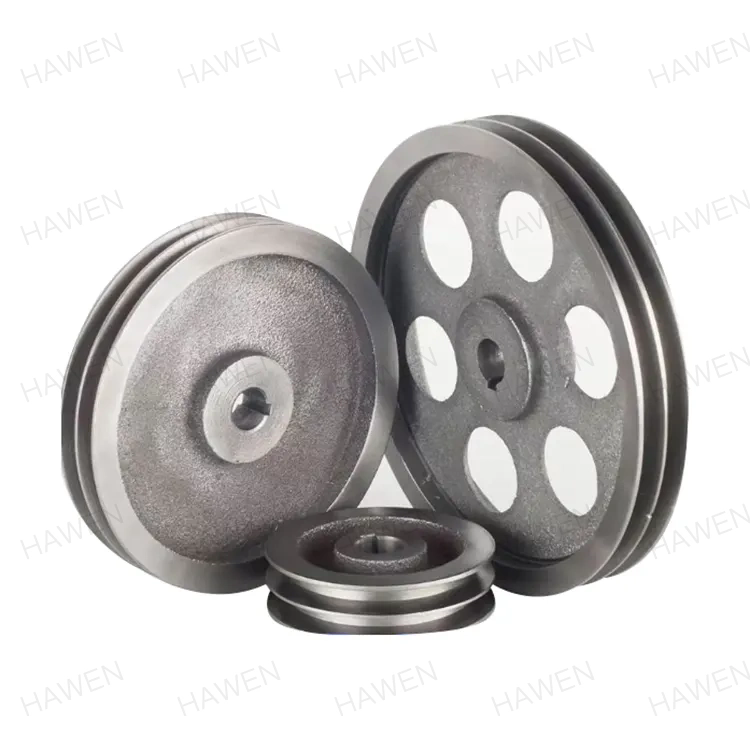
Table of Contents
- 1. What Is a Water Pump Pulley?
- 2. How Does a Water Pump Pulley Work?
- 3. Key Benefits of a High-Quality Pulley
- 4. Common Customer Pain Points and Solutions
- 5. Types of Water Pump Pulleys
- 6. Material Comparison Table
- 7. How to Choose the Right Water Pump Pulley
- 8. Installation and Maintenance Tips
- 9. FAQ
1. What Is a Water Pump Pulley?
A water pump pulley is a mechanical component mounted on the water pump shaft. It is connected to the engine’s crankshaft via a belt (typically a serpentine or V-belt). Its primary function is to transfer rotational energy, enabling the water pump to circulate coolant throughout the engine.
Without this component, the cooling system would fail to operate efficiently, leading to overheating and potential engine damage. Despite its simple design, the pulley directly influences cooling performance, belt alignment, and overall system reliability.
2. How Does a Water Pump Pulley Work?
The operation of a water pump pulley is based on rotational motion transfer:
- The crankshaft rotates as the engine runs
- The drive belt transfers motion to the pulley
- The pulley spins the water pump impeller
- The impeller circulates coolant through the radiator and engine block
The size and design of the pulley determine the rotational speed of the water pump. A larger pulley rotates slower, while a smaller pulley increases pump speed, impacting cooling efficiency.
3. Key Benefits of a High-Quality Pulley
- Improved Cooling Efficiency: Ensures consistent coolant flow
- Reduced Engine Wear: Prevents overheating-related damage
- Enhanced Belt Stability: Minimizes slipping and misalignment
- Longer Service Life: High-quality materials resist corrosion and deformation
For industrial buyers and automotive manufacturers, investing in a reliable pulley translates directly into reduced maintenance costs and improved equipment uptime.
4. Common Customer Pain Points and Solutions
| Pain Point | Cause | Solution |
|---|---|---|
| Engine overheating | Incorrect pulley size or slipping belt | Select proper diameter and ensure belt tension |
| Excessive noise | Misalignment or worn bearings | Use precision-balanced pulleys |
| Short lifespan | Poor material quality | Choose corrosion-resistant materials |
| Compatibility issues | Non-standard dimensions | Verify OEM specifications before purchase |
5. Types of Water Pump Pulleys
- Stamped Steel Pulleys: Cost-effective and widely used
- Cast Iron Pulleys: Durable and suitable for heavy-duty applications
- Aluminum Pulleys: Lightweight with improved performance efficiency
- Underdrive Pulleys: Reduce pump speed to improve fuel efficiency
- Overdrive Pulleys: Increase pump speed for enhanced cooling
Each type serves different operational needs, depending on engine design and performance requirements.
6. Material Comparison Table
| Material | Weight | Durability | Corrosion Resistance | Application |
|---|---|---|---|---|
| Steel | Medium | High | Moderate | Standard vehicles |
| Aluminum | Light | Moderate | High | Performance vehicles |
| Cast Iron | Heavy | Very High | Low | Industrial engines |
7. How to Choose the Right Water Pump Pulley
Selecting the correct pulley involves several technical considerations:
- Diameter: Impacts pump speed and cooling efficiency
- Material: Determines durability and weight
- Belt Compatibility: Must match belt type and width
- Mounting Design: Ensure proper fit with water pump shaft
- Application Requirements: Passenger vehicles vs industrial machinery
For buyers sourcing from manufacturers like HAWEN, it is essential to verify production standards, quality control processes, and customization capabilities to ensure consistent performance.
8. Installation and Maintenance Tips
- Always align the pulley with other belt-driven components
- Check belt tension regularly to prevent slipping
- Inspect for cracks, corrosion, or deformation
- Replace worn pulleys promptly to avoid system failure
- Use proper tools during installation to avoid shaft damage
Routine inspection significantly extends the lifespan of both the pulley and the entire cooling system.
9. FAQ
Q1: What happens if a water pump pulley fails?
A failed pulley can stop coolant circulation, causing rapid engine overheating and potential severe damage.
Q2: How do I know if my pulley is worn out?
Common signs include squealing noises, visible wobbling, rust, or belt misalignment.
Q3: Can I upgrade to an aluminum pulley?
Yes, aluminum pulleys are ideal for reducing weight and improving performance, especially in high-speed applications.
Q4: How often should a water pump pulley be replaced?
It depends on usage conditions, but typically it should be inspected during every major service interval and replaced if wear is detected.
Q5: Where can I find reliable water pump pulleys?
Conclusion
The water pump pulley is a small yet indispensable component that directly affects engine cooling performance and operational reliability. By understanding its function, selecting the right type, and maintaining it properly, you can prevent costly failures and extend equipment lifespan.
HAWEN is committed to delivering precision-engineered water pump pulleys designed for durability, efficiency, and compatibility across various applications. If you are looking for dependable solutions tailored to your needs, contact us today to discuss how we can support your business with high-quality components and professional service.