
How Does a Tensioner Bearing Improve Belt System Performance?
2026-08-18
Article Summary
A tensioner bearing is a critical component in automotive and industrial belt drive systems. Although it is a small mechanical part, it directly affects belt stability, noise control, energy efficiency, and equipment service life. A properly designed tensioner bearing helps maintain consistent belt tension, reduces vibration, and prevents premature belt failure. This article explains how tensioner bearings work, why they fail, how to select the right solution, and how BMT Bearings Co., Ltd. provides reliable bearing solutions for demanding applications.
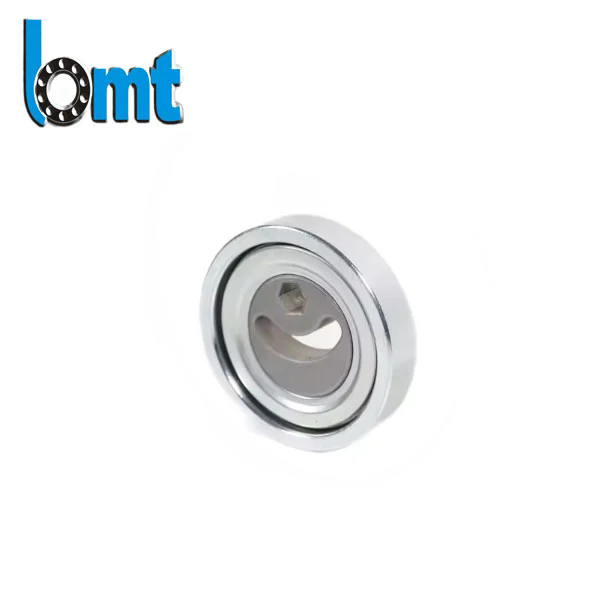
Table of Contents
- 1. What Is a Tensioner Bearing?
- 2. How Does a Tensioner Bearing Work?
- 3. Why Is a Tensioner Bearing Important?
- 4. Common Problems Caused by Poor Tensioner Bearings
- 5. How to Choose the Right Tensioner Bearing
- 6. Manufacturing Advantages of BMT Bearings Co., Ltd.
- 7. Maintenance Tips for Longer Bearing Life
- 8. Frequently Asked Questions
What Is a Tensioner Bearing?
A tensioner bearing is a specialized bearing assembly installed inside a belt tensioner mechanism. Its main purpose is to support smooth rotation while maintaining the correct tension level of a belt system. In automotive engines, tensioner bearings are commonly used with timing belts, serpentine belts, and accessory drive systems.
The belt system inside modern machinery must operate under continuous movement and changing loads. Without stable tension control, belts may become loose, slip, generate excessive heat, or even break during operation. The tensioner bearing provides rotational support for the tensioner pulley, allowing the belt to maintain proper contact with drive components.
Unlike standard bearings, tensioner bearings must withstand unique operating conditions, including high rotation speeds, temperature fluctuations, vibration, and long operating cycles. Therefore, precision manufacturing and material selection are essential for reliable performance.
| Component | Main Function |
|---|---|
| Bearing Inner Ring | Provides stable connection with the rotating shaft |
| Bearing Outer Ring | Supports pulley rotation and load distribution |
| Rolling Elements | Reduce friction and ensure smooth movement |
| Sealing System | Protects internal components from contamination |
| Lubricant | Reduces wear and improves service life |
How Does a Tensioner Bearing Work?
The working principle of a tensioner bearing is based on reducing friction while supporting continuous rotational movement. When the engine or machine operates, the belt transfers power between different pulleys. The tensioner mechanism applies a controlled force to the belt, while the bearing allows the tensioner pulley to rotate freely.
During operation, the tensioner bearing performs several important tasks:
- Maintains stable belt pressure.
- Allows smooth pulley rotation.
- Reduces belt vibration and movement.
- Minimizes friction losses.
- Improves overall system reliability.
A high-quality tensioner bearing must maintain performance under both normal and extreme conditions. For example, during vehicle acceleration, engine vibration and belt loads can increase significantly. The bearing must continue operating smoothly without excessive noise or heat generation.
BMT Bearings Co., Ltd. focuses on precision bearing manufacturing to ensure that tensioner bearings meet demanding requirements for durability, accuracy, and stable operation.
Why Is a Tensioner Bearing Important?
Many equipment owners underestimate the importance of tensioner bearings because they are hidden inside mechanical systems. However, a small bearing failure can lead to major operational problems.
| Benefit | Impact on Equipment |
|---|---|
| Stable Belt Tension | Prevents belt slipping and improves power transmission efficiency |
| Low Friction Operation | Reduces energy loss and operating temperature |
| Noise Reduction | Creates smoother and quieter machine operation |
| Long Service Life | Reduces maintenance frequency and replacement costs |
| High Reliability | Protects connected components from damage |
In automotive applications, tensioner bearing failure can affect critical systems such as timing mechanisms and auxiliary components. In industrial equipment, unstable belt tension may reduce production efficiency and increase unexpected downtime.
Common Problems Caused by Poor Tensioner Bearings
Selecting a low-quality tensioner bearing may create several operational challenges. Understanding these problems helps users make better purchasing decisions.
- Excessive Noise: Worn internal components may produce grinding or squealing sounds during operation.
- Belt Misalignment: Incorrect bearing performance can cause uneven belt movement.
- High Operating Temperature: Poor lubrication or excessive friction may accelerate component wear.
- Premature Failure: Low-quality materials may not withstand continuous loads.
- Increased Maintenance Costs: Frequent replacements increase downtime and labor expenses.
To avoid these issues, manufacturers should consider bearing accuracy, sealing technology, load capacity, and production consistency before selecting a supplier.
How to Choose the Right Tensioner Bearing?
Selecting the correct tensioner bearing requires more than simply matching dimensions. A suitable bearing must be able to handle the application environment, operating speed, load conditions, and expected service period. Whether used in automotive systems, agricultural machinery, industrial equipment, or other mechanical applications, the right tensioner bearing can significantly improve reliability and reduce maintenance requirements.
Before purchasing a tensioner bearing, users should evaluate several important factors:
| Selection Factor | Why It Matters |
|---|---|
| Bearing Size and Dimensions | Ensures proper installation and compatibility with the belt tensioner system |
| Load Capacity | Determines whether the bearing can withstand continuous operating pressure |
| Rotation Speed | Affects friction, temperature control, and durability |
| Sealing Performance | Prevents dust, moisture, and contaminants from entering the bearing |
| Material Quality | Influences wear resistance and long-term performance |
| Manufacturing Precision | Improves stability and reduces operating noise |
A professional bearing manufacturer should provide products that meet strict production standards and offer consistent performance across different applications. BMT Bearings Co., Ltd. develops tensioner bearing solutions with attention to dimensional accuracy, durability, and operational stability to meet various customer requirements.
Manufacturing Advantages of BMT Bearings Co., Ltd.
As a professional bearing manufacturer, BMT Bearings Co., Ltd. focuses on providing dependable bearing products for global customers. The company understands that different applications require different performance characteristics, so its tensioner bearings are designed with practical industrial needs in mind.
Reliable tensioner bearings require advanced manufacturing processes, strict quality control, and detailed inspection procedures. Every stage of production can influence the final performance of a bearing, from raw material selection to precision machining and assembly.
| Manufacturing Process | Quality Focus |
|---|---|
| Material Selection | Ensures strength, durability, and resistance to operating stress |
| Precision Machining | Maintains accurate dimensions and smooth rotation |
| Heat Treatment | Improves hardness and wear resistance |
| Surface Processing | Enhances contact performance and reduces friction |
| Final Inspection | Confirms product reliability before delivery |
The performance of a tensioner bearing depends heavily on manufacturing consistency. A bearing with inaccurate dimensions or poor internal processing may create vibration, abnormal noise, and shortened service life.
BMT Bearings Co., Ltd. continuously improves production technology and quality management to deliver tensioner bearing products suitable for demanding environments. By combining manufacturing experience with customer-focused solutions, the company helps clients achieve better mechanical performance and lower operating risks.
Maintenance Tips for Longer Tensioner Bearing Life
Even high-quality tensioner bearings require proper maintenance and inspection to achieve their expected service life. Regular checks help identify early signs of wear and prevent unexpected equipment failures.
- Inspect for Abnormal Noise: Unusual sounds may indicate internal wear, insufficient lubrication, or bearing damage.
- Check Belt Condition: Cracks, looseness, or uneven wear may indicate tensioner system problems.
- Monitor Vibration: Excessive vibration can be a sign of bearing or pulley issues.
- Maintain Correct Installation: Incorrect mounting may create additional stress on the bearing.
- Replace Damaged Components Promptly: Delayed replacement may damage related mechanical parts.
For automotive systems, following the manufacturer's replacement recommendations is important because tensioner bearings often operate under continuous load. For industrial machinery, scheduled inspections can help maintain stable production performance.
Applications of Tensioner Bearings
Tensioner bearings are widely used in different mechanical systems where belt tension control and smooth rotation are required.
| Application Field | Usage Purpose |
|---|---|
| Automotive Engines | Supports timing belts and accessory belt systems |
| Agricultural Machinery | Maintains stable operation under heavy working conditions |
| Industrial Equipment | Improves belt transmission reliability |
| Construction Machinery | Handles vibration and demanding environments |
| Manufacturing Systems | Supports continuous production operations |
Because different industries have different requirements, tensioner bearings must be designed according to specific working conditions. Factors such as temperature, speed, load, and contamination exposure all influence bearing selection.
Frequently Asked Questions About Tensioner Bearings
Q1: What is the main function of a tensioner bearing?
A tensioner bearing supports the tensioner pulley and allows smooth rotation while maintaining proper belt tension. It helps prevent belt slipping, vibration, and premature wear.
Q2: How can I know if a tensioner bearing is failing?
Common warning signs include unusual noise, belt vibration, reduced belt stability, overheating, and visible wear around the pulley system.
Q3: How long does a tensioner bearing usually last?
The service life depends on operating conditions, installation quality, lubrication, load, and product quality. A well-designed bearing operating under suitable conditions can provide long-term reliable performance.
Q4: Why is bearing quality important for belt systems?
A poor-quality tensioner bearing may create excessive friction, noise, and instability, which can affect the entire belt drive system and increase maintenance costs.
Q5: Why choose BMT Bearings Co., Ltd. for tensioner bearings?
BMT Bearings Co., Ltd. provides professionally manufactured bearing solutions with a focus on precision, durability, and stable performance. The company works to meet different application requirements through reliable production processes and quality control.
Conclusion
A tensioner bearing may appear to be a small mechanical component, but its role in maintaining belt system performance is extremely important. By supporting smooth pulley rotation, controlling belt tension, and reducing friction, a reliable tensioner bearing helps improve equipment efficiency and prevent unexpected failures.
Choosing the correct tensioner bearing requires careful consideration of application requirements, operating environment, load conditions, and manufacturing quality. A properly selected bearing can reduce maintenance frequency, extend equipment service life, and provide more stable operation.
With professional manufacturing experience and a commitment to product reliability, BMT Bearings Co., Ltd. continues to provide high-quality tensioner bearing solutions for customers across different industries. Whether for automotive applications or industrial equipment, dependable bearing performance plays an essential role in achieving safer and more efficient mechanical systems.
Looking for Reliable Tensioner Bearing Solutions?
If you need durable, precision-engineered tensioner bearings for your application, BMT Bearings Co., Ltd. is ready to provide professional support and customized solutions. Contact us today to discuss your bearing requirements and find the right solution for your mechanical system.