
How Does a Solar Connector Ensure Reliable PV System Performance?
2026-03-05
Article Summary
Solar connectors are essential components in photovoltaic (PV) systems, providing safe, durable, and efficient electrical connections between solar panels, inverters, and other system elements. Selecting the right solar connector impacts system reliability, energy efficiency, and maintenance costs. This guide explores the types, features, installation practices, and common challenges associated with solar connectors. Additionally, it highlights how Cnka delivers high-performance solar connectors that meet industrial standards and support long-term system stability.
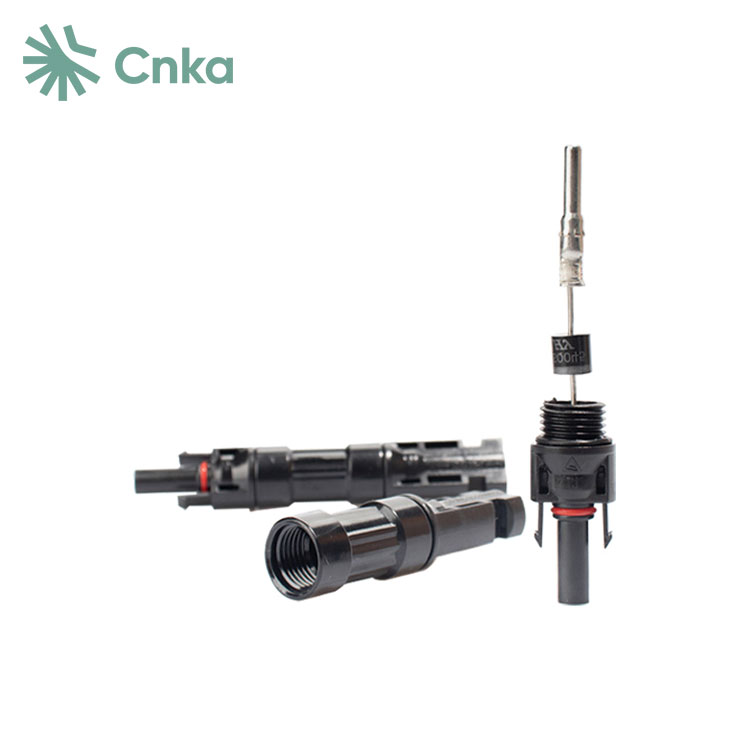
Table of Contents
- Overview of Solar Connectors
- Common Customer Pain Points
- Types of Solar Connectors
- How to Select the Right Solar Connector
- Installation and Performance Considerations
- Solar Connector Comparison Table
- Quality Assurance and Reliability
- Application Scenarios
- Frequently Asked Questions
- Conclusion and Contact Us
Overview of Solar Connectors
Solar connectors, also known as photovoltaic connectors, are specially designed electrical components that join solar panels with cables, inverters, and junction boxes. They are engineered to handle outdoor conditions, resist UV exposure, moisture, and temperature fluctuations, while maintaining low electrical resistance and reliable current flow.
Proper connector selection ensures minimal energy loss, reduces maintenance risks, and extends the lifespan of PV systems. Cnka offers solar connectors that combine robust materials, precision engineering, and industry-standard certifications to deliver consistent electrical performance for residential, commercial, and utility-scale installations.
Common Customer Pain Points
Many solar system installers and operators face recurring issues when integrating solar connectors. Understanding these challenges helps optimize system performance.
- Poor electrical contact leading to energy loss or hotspots
- Connector corrosion or oxidation under harsh environmental conditions
- Compatibility issues with different PV panel types or cable sizes
- Difficulty in installation or disconnection without specialized tools
- Frequent maintenance due to mechanical wear or UV degradation
These issues often result from selecting low-quality connectors, improper installation, or mismatched system components.
Types of Solar Connectors
Solar connectors vary according to design, application, and environmental requirements. Key types include:
- MC4 Connectors – The most widely used, compatible with most PV modules, and designed for outdoor durability
- Compatible Multi-Contact Connectors – Designed to work with specific panel brands or in high-voltage systems
- Quick-Disconnect Connectors – Facilitate rapid installation or maintenance without special tools
- Waterproof Connectors – Enhanced sealing for extreme outdoor conditions or wet environments
- High-Current Connectors – Suitable for large-scale PV arrays and commercial solar farms
How to Select the Right Solar Connector
Choosing the correct solar connector requires careful evaluation of technical specifications, environmental factors, and system requirements. Consider the following factors:
- Voltage and current ratings compatible with your PV system
- Cable compatibility, including cross-sectional area and insulation type
- UV, water, and dust resistance (IP rating)
- Temperature tolerance for your installation environment
- Ease of assembly and availability of replacement parts
Cnka provides guidance on matching connectors to system specifications and ensures all products comply with IEC and UL standards for safety and performance.
Installation and Performance Considerations
Proper installation is critical to maintain performance and safety in solar systems. Key considerations include:
- Strip cables to the correct length without damaging conductors
- Ensure firm mechanical and electrical connections
- Check for correct polarity and secure locking mechanisms
- Inspect for dust, moisture, or foreign material before connection
- Follow manufacturer’s torque and insertion specifications
Following these guidelines reduces risks of voltage drop, overheating, and early connector failure.
Solar Connector Comparison Table
| Connector Type | Suitable Applications | Key Advantages | Limitations |
|---|---|---|---|
| MC4 | Residential and commercial PV panels | Standardized, UV-resistant, easy to connect | Requires compatible cables and tools for assembly |
| Quick-Disconnect | Maintenance-intensive installations | Fast installation, reusable | Lower current rating compared to MC4 |
| Waterproof | Outdoor wet environments | High IP rating, long-term durability | Higher cost, may require careful sealing |
| High-Current | Solar farms, large PV arrays | Supports large currents, stable performance | Bulkier design, installation may need specialized tools |
Quality Assurance and Reliability
The performance of solar connectors is heavily influenced by quality control. Manufacturers like Cnka implement rigorous testing for:
- Electrical continuity and contact resistance
- UV and temperature resistance
- Mechanical durability and vibration resistance
- Waterproofing and ingress protection
- Long-term aging and corrosion resistance
These measures ensure that connectors perform consistently across various environments and system scales.
Application Scenarios
Solar connectors are critical in multiple PV system configurations, supporting both performance and safety requirements:
- Residential rooftop solar installations
- Commercial building PV systems
- Utility-scale solar farms and large arrays
- Off-grid solar solutions and backup power systems
- Hybrid energy systems with energy storage integration
Frequently Asked Questions
What is the lifespan of a solar connector?
Most high-quality connectors last 20–25 years when installed according to manufacturer instructions.
Can I mix connectors from different brands?
Mixing brands may cause compatibility issues; it is recommended to use connectors from the same certified product line.
How can I ensure waterproof performance?
Check the IP rating, proper sealing, and ensure connections are fully engaged according to instructions.
Do solar connectors require maintenance?
Regular visual inspection and cleaning are recommended, especially in harsh outdoor environments.
Conclusion and Contact Us
Choosing the right solar connector is vital for safe, efficient, and reliable PV system operation. By understanding connector types, installation practices, and performance requirements, system operators can minimize downtime and energy loss.
Cnka provides high-quality solar connectors designed for durability, ease of installation, and compliance with global standards. Enhance your solar projects with reliable electrical connections—contact us today to discuss your needs and explore how Cnka solar connectors can support your energy goals.