
How Does a Pipe Fitting Improve Fluid Connection Performance and Reliability?
2026-08-31
Article Summary:
Pipe fitting plays an essential role in modern fluid transportation systems by connecting pipes, controlling flow directions, and ensuring leak-free operation. From industrial pipelines and water treatment systems to chemical processing equipment and hydraulic applications, selecting the right pipe fitting directly affects system safety, efficiency, and service life. This article explains how pipe fittings work, what problems they solve, how to choose suitable fittings, and why professional suppliers such as Huitong provide reliable solutions for different industrial requirements.
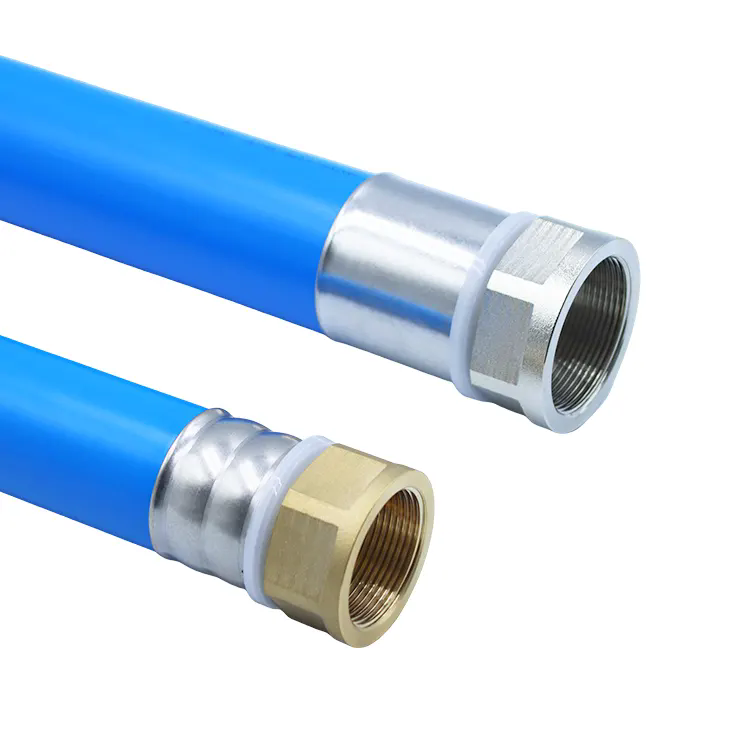
Table of Contents
- 1. What Is a Pipe Fitting and Why Is It Important?
- 2. What Problems Can Pipe Fittings Solve in Fluid Systems?
- 3. What Are the Main Types of Pipe Fittings?
- 4. How to Choose the Right Pipe Fitting?
- 5. How Do Pipe Fitting Materials Affect Performance?
- 6. How Does Proper Installation Improve Pipe Fitting Reliability?
- 7. Why Choose Huitong for Pipe Fitting Solutions?
- 8. Frequently Asked Questions About Pipe Fittings
What Is a Pipe Fitting and Why Is It Important?
A pipe fitting is a mechanical component used to connect, redirect, regulate, or terminate piping systems. Although pipe itself is responsible for transporting fluids, fittings provide the flexibility required to build complete pipeline networks.
In industrial environments, pipelines often need to change direction, connect different pipe sizes, separate flow paths, or allow maintenance access. Without suitable pipe fittings, designing an efficient and safe fluid system would be extremely difficult.
High-quality pipe fittings help achieve:
- Reliable fluid transportation
- Reduced leakage risks
- Improved system durability
- Easier pipeline maintenance
- Better pressure resistance
Industries including oil and gas, chemical processing, construction, water supply, HVAC, food processing, and manufacturing all depend on dependable pipe fitting solutions.
What Problems Can Pipe Fittings Solve in Fluid Systems?
Many pipeline failures are caused by poor connections, unsuitable materials, or incorrect component selection. Pipe fittings are designed to overcome these challenges by providing secure and adaptable connections.
| Common Pipeline Challenge | How Pipe Fittings Provide Solutions |
|---|---|
| Leakage at connection points | Precision manufacturing and proper sealing structures reduce fluid leakage. |
| Complex pipeline layouts | Elbows, tees, and reducers allow flexible pipeline design. |
| Pressure fluctuations | Strong materials improve pressure resistance and operational safety. |
| Maintenance difficulties | Special fittings enable easier replacement and system inspection. |
| Different pipe dimensions | Reducers and adapters connect pipes with different diameters. |
Choosing the correct pipe fitting is not only about connecting pipes together. It is about maintaining the overall performance and safety of the entire fluid system.
What Are the Main Types of Pipe Fittings?
Different applications require different fitting designs. Understanding the function of each type helps engineers and buyers select the most suitable components.
| Pipe Fitting Type | Main Function | Typical Applications |
|---|---|---|
| Elbow Fitting | Changes pipeline direction | Water systems, industrial pipelines, HVAC systems |
| Tee Fitting | Creates branch connections | Distribution systems and process pipelines |
| Reducer Fitting | Connects different pipe sizes | Pumps, pressure systems, industrial equipment |
| Coupling | Joins two pipes together | Repair and extension projects |
| Adapter | Connects different connection standards | Customized piping systems |
| Union Fitting | Allows easy pipe disassembly | Maintenance-intensive applications |
Each fitting type has a specific purpose. Using an incorrect fitting may result in pressure loss, vibration problems, or premature system failure.
How to Choose the Right Pipe Fitting?
Selecting the correct pipe fitting requires evaluating several technical factors. A suitable choice depends on operating conditions, pipeline design, and environmental requirements.
- Pipe Size: The fitting dimensions must match the connected pipes to ensure proper installation.
- Pressure Rating: High-pressure systems require fittings with sufficient strength and durability.
- Temperature Range: Extreme temperatures may require special materials.
- Fluid Characteristics: Corrosive or aggressive fluids need corrosion-resistant fittings.
- Connection Method: Threaded, welded, or compression connections should match system requirements.
| Selection Factor | Why It Matters |
|---|---|
| Material compatibility | Prevents corrosion and extends service life. |
| Manufacturing accuracy | Ensures reliable sealing and connection performance. |
| Application environment | Determines resistance against pressure, temperature, and chemicals. |
| Installation requirements | Affects maintenance efficiency and operating costs. |
How Do Pipe Fitting Materials Affect Performance?
The material of a pipe fitting directly influences durability, corrosion resistance, and application suitability. Different industries require different material characteristics.
- Stainless Steel: Excellent corrosion resistance and suitable for demanding industrial environments.
- Carbon Steel: Provides high strength for many heavy-duty applications.
- Brass: Commonly used in water systems because of good corrosion resistance.
- Plastic Materials: Lightweight and suitable for chemical and low-pressure applications.
A professional pipe fitting manufacturer evaluates material performance based on actual working conditions instead of simply focusing on initial cost.
How Does Proper Installation Improve Pipe Fitting Reliability?
Even high-quality pipe fittings cannot perform effectively without correct installation. Installation errors may create leakage, stress concentration, or connection failure.
Important installation practices include:
- Checking fitting specifications before installation.
- Cleaning pipe surfaces to remove contaminants.
- Using appropriate sealing materials.
- Applying correct tightening force.
- Testing the system after installation.
Regular inspection is also important for systems operating under high pressure, high temperature, or corrosive conditions.
Why Choose Huitong for Pipe Fitting Solutions?
Huitong focuses on providing reliable pipe fitting products designed for various fluid connection applications. With attention to manufacturing quality, product performance, and customer requirements, Huitong supports customers in building safer and more efficient piping systems.
The company understands that different industries have different connection challenges. Therefore, pipe fitting solutions need to consider application conditions, installation requirements, and long-term operational stability.
Advantages of choosing Huitong include:
- Professional experience in fluid connection products
- Strict attention to product quality and reliability
- Solutions suitable for different industrial applications
- Support for customized requirements
- Focus on long-term customer value
Whether used for industrial pipelines, equipment connections, or specialized fluid systems, reliable pipe fittings help customers reduce maintenance problems and improve operational efficiency.
Frequently Asked Questions About Pipe Fittings
Q1: What is the main purpose of a pipe fitting?
A pipe fitting connects pipes, changes flow direction, adjusts pipe sizes, or provides access points for maintenance. It is a key component in complete piping systems.
Q2: How can I prevent pipe fitting leakage?
Selecting the correct fitting size, using suitable sealing methods, installing properly, and choosing quality products can significantly reduce leakage risks.
Q3: Are pipe fittings suitable for high-pressure applications?
Yes. Many pipe fittings are designed for high-pressure systems, but users must select products according to pressure ratings and operating conditions.
Q4: How do I select the right pipe fitting material?
Material selection depends on fluid type, temperature, pressure, corrosion conditions, and expected service life.
Q5: Can pipe fittings be customized?
Many manufacturers provide customized pipe fitting solutions according to special dimensions, connection methods, and application requirements.
Conclusion
Pipe fittings are small but critical components that determine the safety, efficiency, and durability of fluid transportation systems. By selecting suitable designs, materials, and installation methods, companies can reduce operational risks and improve pipeline performance.
With professional manufacturing capabilities and customer-focused solutions, Huitong provides dependable pipe fitting products for various industrial applications. If you need reliable pipe fitting solutions designed for your specific requirements, please contact us today for professional support.