
How Does a Bimetallic Screw Barrel Improve Performance in Demanding Processing Applications?
2026-02-05
Article Abstract
A Bimetallic Screw Barrel is widely used in high-wear plastic, rubber, and polymer processing environments where conventional barrels fail prematurely. This in-depth article explains how bimetallic technology works, what problems it solves, and how manufacturers can select the right solution for long-term operational stability. Key topics include wear mechanisms, material structure, application scenarios, and sourcing considerations when working with a professional Rubber Screw Barrel manufacturer and supplier in China. The goal is to help buyers reduce downtime, extend service life, and achieve consistent processing quality.
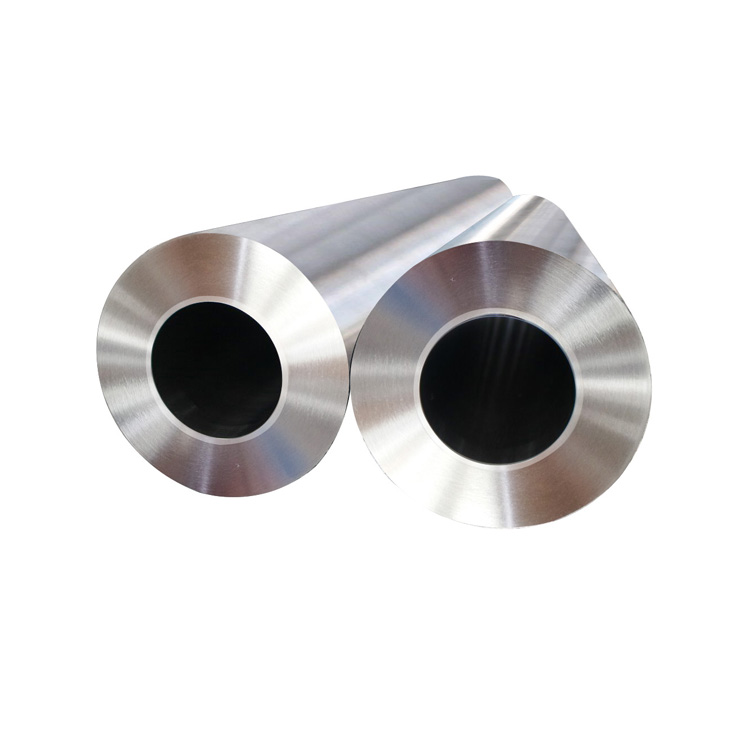
Table of Contents
- Article Outline
- Common Customer Pain Points
- What Is a Bimetallic Screw Barrel?
- How a Bimetallic Screw Barrel Works
- Key Advantages Over Conventional Barrels
- Typical Applications and Industries
- Bimetallic vs Nitrided Barrels
- How to Select the Right Manufacturer and Supplier
- Frequently Asked Questions
- Conclusion and Contact
Article Outline
- Understanding why wear and corrosion are critical processing issues
- Explaining bimetallic structure and metallurgy
- Highlighting performance and cost-efficiency benefits
- Providing selection guidance for global buyers
Common Customer Pain Points in Screw Barrel Applications
Manufacturers operating extrusion and injection molding equipment often encounter recurring issues that directly impact productivity and cost control. These challenges become more severe when processing filled, reinforced, or corrosive materials.
- Rapid barrel wear caused by glass fiber, calcium carbonate, or mineral fillers
- Corrosion from PVC, fluoropolymers, or flame-retardant additives
- Inconsistent melt quality due to internal surface degradation
- Frequent shutdowns for repair or barrel replacement
A Bimetallic Screw Barrel is specifically engineered to address these pain points by combining a tough steel base with a highly wear-resistant inner alloy layer.
What Is a Bimetallic Screw Barrel?
A Bimetallic Screw Barrel is a composite barrel manufactured by centrifugally casting a high-alloy inner lining onto a carbon or alloy steel outer body. The inner layer typically contains high levels of chromium, boron, nickel, or tungsten carbide, forming a dense and uniform wear-resistant surface.
Unlike surface-treated barrels, the bimetallic layer is metallurgically bonded, ensuring long-term stability even under high temperature and pressure conditions. This structure makes it an ideal solution for rubber, plastic, and engineering polymer processing.
How a Bimetallic Screw Barrel Works
The performance advantage of a Bimetallic Screw Barrel comes from its dual-material structure:
| Component | Function |
|---|---|
| Outer Steel Body | Provides mechanical strength and pressure resistance |
| Bimetallic Inner Layer | Resists abrasion, corrosion, and chemical attack |
During operation, molten material only contacts the inner alloy surface. This significantly slows wear progression, maintaining precise clearances between the screw and barrel over extended production cycles.
Key Advantages Over Conventional Barrels
Choosing a Bimetallic Screw Barrel offers measurable benefits across equipment lifespan and process consistency.
- Service life extended by 2–5 times compared to standard nitrided barrels
- Superior resistance to both abrasive and corrosive materials
- Stable processing parameters over long production runs
- Lower total cost of ownership despite higher initial investment
For companies processing rubber compounds, working with a professional Rubber Screw Barrel manufacturer and supplier in China ensures access to advanced alloy formulations and cost-efficient production capabilities.
Typical Applications and Industries
Bimetallic Screw Barrels are widely used in industries where material formulations accelerate wear.
- Rubber extrusion and mixing lines
- PVC pipe, profile, and cable production
- Engineering plastics with glass or carbon fiber
- Recycling and reprocessing systems
Companies like EJS specialize in supplying customized bimetallic solutions for diverse industrial requirements. More technical details can be found on their product page: https://www.ejsscrewbarrel.com/bimetallic-screw-barrel
Bimetallic Screw Barrel vs Conventional Nitrided Barrel
| Feature | Bimetallic Screw Barrel | Nitrided Barrel |
|---|---|---|
| Wear Resistance | Excellent | Moderate |
| Corrosion Resistance | High | Low |
| Service Life | Very Long | Limited |
| Suitable for Filled Materials | Yes | Not Recommended |
How to Select the Right Manufacturer and Supplier
When sourcing a Bimetallic Screw Barrel, buyers should evaluate more than just price. A qualified manufacturer and supplier in China should demonstrate:
- In-house centrifugal casting capability
- Customized alloy formulation options
- Strict dimensional and hardness inspection processes
- Experience in Rubber Screw Barrel applications
Clear technical communication and application-specific recommendations are strong indicators of a reliable long-term partner.
Frequently Asked Questions
Q1: Is a Bimetallic Screw Barrel suitable for rubber processing?
Yes. Bimetallic barrels are particularly effective in rubber extrusion due to their resistance to abrasion from fillers and chemical additives.
Q2: Does a bimetallic barrel require special maintenance?
Maintenance requirements are similar to standard barrels, but inspection intervals can be extended due to slower wear rates.
Q3: How long does a Bimetallic Screw Barrel typically last?
Service life depends on material and operating conditions, but it commonly lasts several times longer than a nitrided barrel.
Conclusion and Contact
A Bimetallic Screw Barrel is a strategic investment for manufacturers seeking durability, consistency, and long-term cost control in demanding processing environments. By working with an experienced Rubber Screw Barrel manufacturer and supplier in China such as EJS, companies can secure tailored solutions that match their exact production needs.
If your operation is facing premature wear, corrosion, or unstable output, now is the right time to upgrade. Contact us to discuss your application requirements and receive professional technical support for your next Bimetallic Screw Barrel solution.