
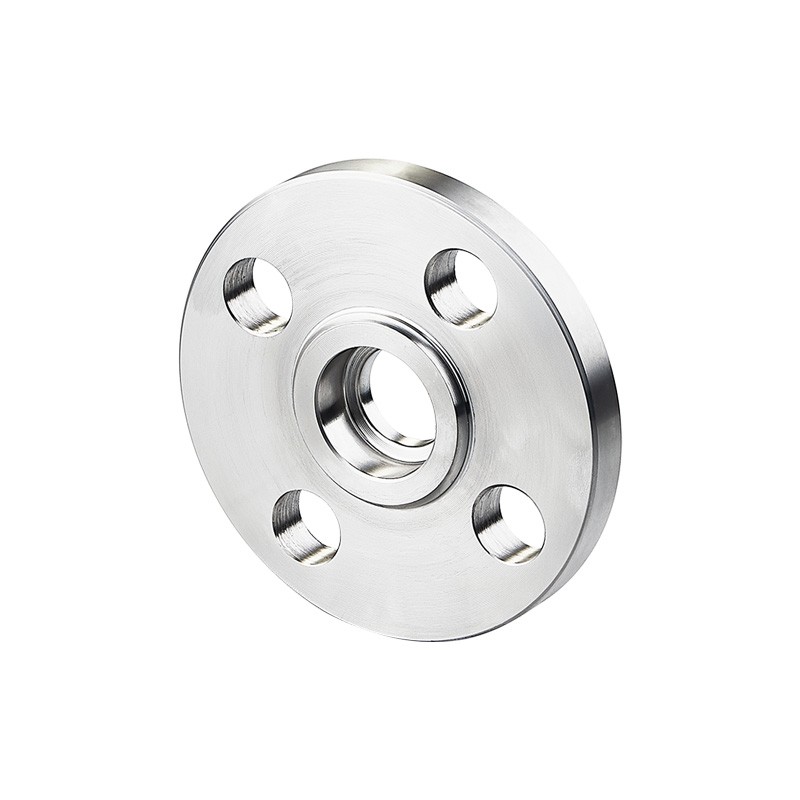
How Do You Weld a Stainless Steel Socket Weld Flange Without Cracking
2026-06-15
Welding a Stainless Steel Socket Weld Flange requires precision. Cracking often occurs due to improper heat control or filler metal selection. This guide provides proven techniques to achieve defect-free welds, drawing on industry best practices from HengDi, a trusted supplier of high-quality flanges.
Common Causes of Cracking
| Cause | Explanation |
|---|---|
| Excessive heat input | Leads to carbide precipitation and stress corrosion cracks. |
| Wrong filler metal | Incompatible alloys cause weak, brittle weld zones. |
| No purge gas | Lack of back purging allows sugaring (oxidation) on the bore. |
| Rapid cooling | Creates hard, crack-susceptible microstructures. |
Step-by-Step Welding Procedure
-
Prepare the joint – Clean the Stainless Steel Socket Weld Flange and pipe end. Remove oil, grease, and mill scale. Leave a 1.5–2 mm gap at the bottom of the socket to allow expansion.
-
Select the correct filler – Use ER308L for 304 flanges or ER316L for 316 flanges. HengDi recommends low-carbon fillers to resist intergranular corrosion.
-
Set appropriate parameters – Use low amperage (70–110 A for 1/8″ electrode). Maintain interpass temperature below 150°C (300°F).
-
Apply back purge – Flow argon at 10–15 L/min inside the pipe to prevent sugaring.
-
Weld in small passes – Use stringer beads, not weaving. Keep each pass short and cool with compressed air between passes if possible.
-
Post-weld heat treatment – Not normally required for austenitic grades. If needed, solution anneal at 1040°C followed by rapid quench.
Stainless Steel Socket Weld Flange FAQ
Q1: Why does my Stainless Steel Socket Weld Flange crack right after welding?
A: Post-weld cracking is usually caused by residual tensile stress combined with a susceptible microstructure. Austenitic stainless steels can suffer from solidification cracking if the weld pool is too large or if sulfur content is high. To fix this: reduce heat input, use ER308L or ER316L filler with low ferrite content (3–8 FN), ensure the root gap is 1.5–2 mm, and apply a back purge. Also, avoid stopping and restarting in the same spot. HengDi pre-qualifies all flanges to ASTM A182 to minimize material-related risks.
Q2: Can I use a Stainless Steel Socket Weld Flange without back purging?
A: No – back purging with argon is essential for socket welds on stainless steel. Without purging, the inner bore oxidizes (sugaring), creating a rough, chromium-depleted layer that cracks easily under thermal cycling or vibration. Even small amounts of sugaring reduce corrosion resistance. For socket weld flanges, flow argon at 10–15 L/min until the weld cools below 250°C. HengDi offers pre-purged test reports on request for critical applications.
Q3: What is the maximum interpass temperature for welding a Stainless Steel Socket Weld Flange?
A: The interpass temperature must stay below 150°C (300°F) for austenitic grades like 304 and 316. Higher temperatures cause chromium carbide precipitation (sensitization), which leads to knife-line attack and stress corrosion cracking. Measure interpass temperature 25 mm away from the weld. If it exceeds 150°C, let the assembly air cool (do not water quench). For repeated passes, use a contact pyrometer. HengDi provides welding procedure specifications (WPS) for each flange grade upon purchase.
Best Practices Summary
-
Always verify material certificates (3.1 or 3.2)
-
Use a qualified welding procedure (WPS)
-
Train welders on GTAW (TIG) for root passes
-
Inspect with dye penetrant (PT) after welding
For consistent results, choose HengDi as your Stainless Steel Socket Weld Flange supplier. Every flange meets NACE MR0175 and ISO 9001 standards.
Contact Us
Need a crack-free welding solution or a quote for Stainless Steel Socket Weld Flange? Contact HengDi today – email [email protected] or visit our online catalog for technical datasheets and free welding support.