
How Do Stainless Steel Cross Pipe Fittings Perform in Corrosive Environments
2026-01-14
In demanding industrial and commercial applications, the performance of piping components under chemical or environmental stress is non-negotiable. This brings us to a critical question: how do Stainless Steel Cross Pipe Fittings stand up to corrosive environments? At Dafugui, we engineer our fittings to not just meet but exceed these harsh challenges, ensuring system integrity and longevity where it matters most.
The superior corrosion resistance stems from the inherent properties of stainless steel, primarily the presence of chromium. When exposed to oxygen, this element forms an invisible, self-repairing passive layer of chromium oxide on the surface, shielding the base material.
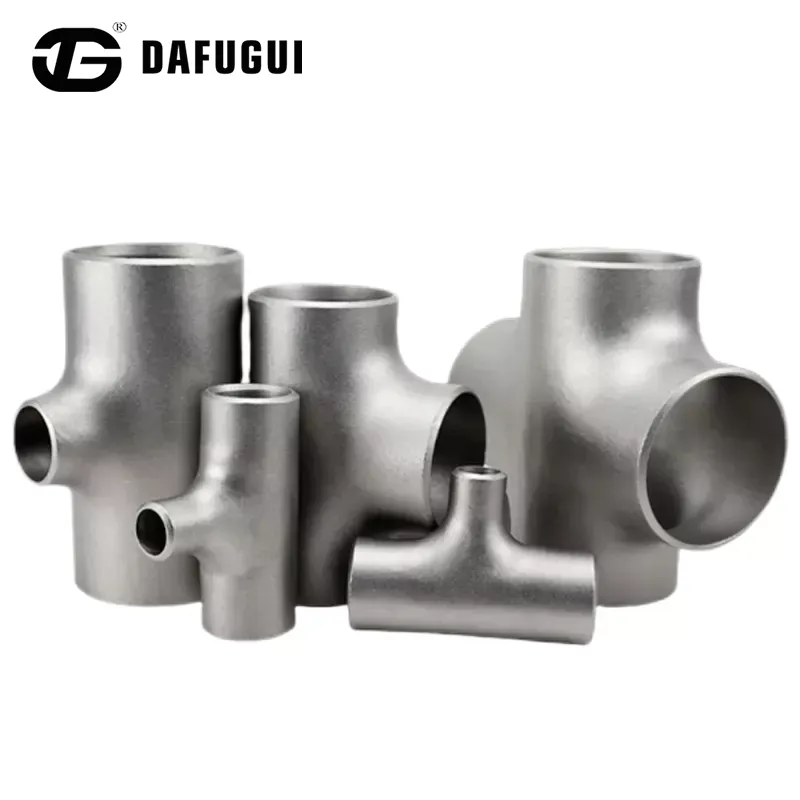
Key factors influencing their performance include:
-
Alloy Grade: Not all stainless steel is equal.
-
Environmental Specifics: The type of corrosive agent is crucial.
-
Surface Finish: A smoother finish improves resistance.
-
Proper Installation: Preventing galvanic corrosion is key.
The following table compares common stainless grades used by Dafugui for cross fittings in various settings:
| Stainless Steel Grade | Key Characteristics | Typical Corrosive Environment Suitability |
|---|---|---|
| 304 / 304L | Excellent general corrosion resistance, good formability. | Mild chemicals, food processing, atmospheric exposure. |
| 316 / 316L | Added molybdenum for enhanced pitting/crevice corrosion resistance. | Saltwater, chlorides, chemical processing, marine applications. |
| Duplex 2205 | High strength, superior stress corrosion cracking resistance. | Offshore oil & gas, high-chloride, and acidic environments. |
Stainless Steel Cross Pipe Fitting FAQ
What is the most corrosion-resistant stainless steel cross fitting?
Grade 316L is generally considered the most versatile for high-corrosion environments due to its molybdenum content, which fights chlorides and acids. For extreme conditions, Dafugui offers super duplex and specialty alloys.
Can stainless steel fittings corrode at weld points?
Yes, welded areas can be susceptible if not processed correctly. This is known as weld decay. Dafugui uses low-carbon grades (L variants like 316L) and employs proper welding techniques to minimize this risk, preserving the protective oxide layer.
How does temperature affect corrosion in these fittings?
High temperatures can accelerate corrosion rates and potentially break down the passive layer. Always consult the manufacturer's specifications. Dafugui provides detailed data sheets to ensure our Stainless Steel Cross Pipe Fittings are selected within their safe operational limits for your specific temperature and chemical profile.
In summary, the performance of a Stainless Steel Cross Pipe Fitting in corrosive settings depends on a precise match between material science, manufacturing quality, and application knowledge. This is where proven expertise makes the difference.
For a system that demands reliability, trusting a specialized brand is paramount. Dafugui combines advanced metallurgy with precision manufacturing to deliver fittings that endure. Contact us today with your project specifications, and let our engineering team guide you to the most robust and cost-effective solution.