
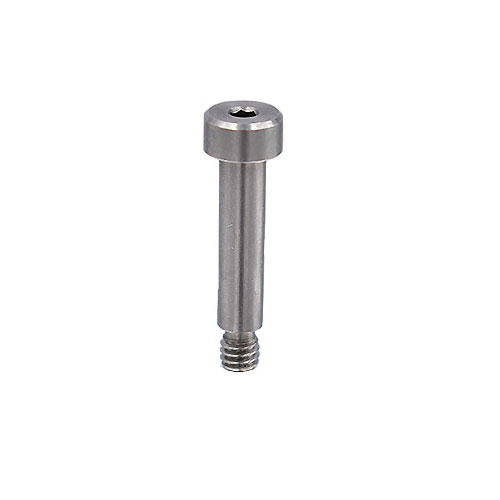
Precision screws are essential fastening components used in industries where accuracy, durability, and consistent performance are critical. From electronics and medical devices to automotive assemblies and industrial equipment, these specially manufactured screws provide reliable connections that meet demanding engineering requirements.
Unlike standard fasteners, precision screws are produced with strict dimensional control, advanced materials, and carefully engineered thread profiles. They help manufacturers solve common challenges such as loose connections, assembly errors, vibration failure, and inconsistent product quality.
Article Summary
In modern manufacturing, even the smallest fastening components can influence the performance, safety, and lifespan of an entire product. Precision screws are designed to provide exceptional dimensional accuracy, stable fastening force, and dependable operation under demanding conditions.
This article explains how precision screws improve manufacturing reliability, what factors should be considered during selection, and how businesses can avoid common fastening problems. It also introduces important information about materials, production methods, applications, and maintenance considerations.
What Are Precision Screws?
Precision screws are specially engineered fasteners manufactured according to strict tolerance requirements. They are designed for applications where conventional screws may not provide sufficient accuracy, strength, or consistency.
The main difference between precision screws and ordinary screws is the level of manufacturing control. Precision screws require accurate thread formation, consistent dimensions, controlled surface finishes, and reliable mechanical properties.
These components are often used in products where even a small dimensional variation can affect performance. For example, optical equipment, electronic assemblies, medical instruments, and automated machinery require fastening solutions that maintain exact positioning.
- High dimensional accuracy
- Stable thread performance
- Reliable torque control
- Excellent material consistency
- Suitable performance under vibration and repeated operation
- Compatibility with automated assembly systems
Because manufacturing industries continue to demand smaller, lighter, and more accurate products, precision screws have become an important solution for improving assembly quality and reducing production risks.
Why Precision Screws Matter in Manufacturing
Many production problems originate from small fastening issues. Incorrect screw dimensions, unstable tightening force, or poor thread quality can result in equipment failure, increased maintenance requirements, and unnecessary production costs.
Reducing Assembly Problems
During manufacturing, inconsistent fasteners can create difficulties during installation. Precision screws provide more predictable dimensions, helping operators and automated systems achieve accurate assembly results.
Improving Product Reliability
Products used in demanding environments must withstand vibration, temperature changes, repeated operation, and mechanical stress. Precision screws help maintain stable connections and reduce the risk of loosening or structural failure.
Supporting Miniaturized Product Design
Modern industries increasingly require compact designs. Electronics, communication devices, and medical equipment often use smaller components where traditional fasteners may not provide enough accuracy. Precision screws allow engineers to create smaller assemblies without sacrificing fastening performance.
Enhancing Production Efficiency
Accurate fasteners reduce installation adjustments, rejected products, and maintenance problems. This allows manufacturers to improve production consistency and achieve better overall efficiency.
Key Advantages of Precision Screws
Choosing the correct fastening solution can directly influence product performance. Precision screws offer several advantages compared with standard fastening components.
| Advantage | Description | Manufacturing Benefit |
|---|---|---|
| High Accuracy | Manufactured with strict dimensional control and accurate thread profiles. | Improves assembly consistency and positioning accuracy. |
| Reliable Strength | Uses carefully selected materials and controlled production processes. | Supports long-term product durability. |
| Stable Tightening | Provides predictable torque and clamping performance. | Reduces connection failures caused by improper fastening. |
| Custom Options | Available in different sizes, materials, coatings, and designs. | Meets specialized industry requirements. |
| Better Automation Compatibility | Consistent dimensions support automated assembly equipment. | Improves production speed and reduces errors. |
For manufacturers, these advantages translate into fewer quality issues, improved product performance, and reduced long-term operating costs.
Common Applications of Precision Screws
Precision screws are widely used across industries where reliability and accuracy are essential. Different applications require different screw designs, materials, and performance characteristics.
Electronic Equipment
Electronic products often contain delicate components that require accurate positioning and secure fastening. Precision screws help maintain stable structures while supporting compact product designs.
Medical Equipment
Medical devices require dependable performance because failures can affect safety and operation. Precision screws used in medical applications must meet strict requirements for reliability, cleanliness, and durability.
Automotive Manufacturing
Automotive systems experience vibration, temperature changes, and mechanical stress. Precision screws contribute to stronger assemblies and improved component stability.
Industrial Machinery
Automation equipment, robots, and manufacturing machines require accurate mechanical connections. Precision screws help maintain alignment and reduce maintenance problems caused by loose fasteners.
Optical and Instrumentation Equipment
Optical devices require extremely accurate positioning. Precision screws provide the controlled adjustment and stable fastening needed for sensitive components.
How to Select the Right Precision Screws?
Selecting suitable precision screws requires careful consideration of application requirements, environmental conditions, mechanical loads, and assembly methods. Choosing the wrong fastener may lead to installation difficulties, reduced product performance, or premature failure.
Consider Screw Dimensions and Tolerance
The first step is identifying the required screw dimensions, including diameter, length, thread type, head design, and tolerance level. Precision applications often require tighter dimensional control than standard fastening systems.
Engineers should evaluate not only the nominal size but also the acceptable tolerance range. Even a small dimensional difference may affect component alignment, movement accuracy, or assembly compatibility in high-precision products.
Evaluate Load Requirements
Different applications create different mechanical stresses. Some assemblies require high tensile strength, while others need excellent resistance against vibration or repeated movement.
Before selecting precision screws, manufacturers should analyze:
- Required clamping force
- Operating vibration levels
- Static and dynamic loads
- Frequency of assembly and disassembly
- Expected service life
Select Suitable Materials
Material selection directly affects screw performance. Stainless steel, alloy steel, titanium, brass, and other specialized materials may be selected depending on strength, corrosion resistance, weight requirements, and environmental conditions.
Check Surface Treatment Requirements
Surface coatings can improve corrosion resistance, wear resistance, and appearance. Common treatments include zinc plating, nickel plating, black oxide treatment, and other protective finishes.
- Application environment
- Temperature conditions
- Exposure to chemicals or moisture
- Required mechanical strength
- Assembly equipment compatibility
- Required service lifespan
Confirm Manufacturing Capability
A reliable supplier should have the ability to manufacture screws according to customer drawings, specifications, and quality requirements. Production experience, inspection procedures, and customization capability are important factors when choosing a precision screw supplier.
Materials and Manufacturing Processes of Precision Screws
The performance of precision screws depends greatly on material quality and manufacturing technology. Professional production processes ensure that each screw meets the required mechanical and dimensional standards.
Common Materials Used for Precision Screws
| Material | Main Characteristics | Typical Applications |
|---|---|---|
| Stainless Steel | Excellent corrosion resistance and stable performance. | Medical equipment, electronics, outdoor applications. |
| Alloy Steel | High strength and strong mechanical performance. | Automotive components, machinery, industrial equipment. |
| Titanium | Lightweight with excellent corrosion resistance. | Aerospace, medical, high-performance applications. |
| Brass | Good electrical conductivity and corrosion resistance. | Electrical components and specialized assemblies. |
Precision Screw Manufacturing Steps
Professional precision screw production usually involves multiple controlled stages to achieve consistent quality.
- Material Preparation: Raw materials are inspected and prepared according to production requirements.
- Cold Heading or Machining: The basic screw shape is formed using suitable manufacturing methods.
- Thread Processing: Threads are produced with accurate dimensions to ensure proper fitting and reliable fastening.
- Heat Treatment: Selected screws may receive heat treatment to improve strength and durability.
- Surface Finishing: Protective coatings are applied when required.
- Quality Inspection: Finished products are measured and tested before delivery.
Each production stage influences the final performance of precision screws. Advanced manufacturing management helps maintain consistency between different production batches.
Quality Control Considerations for Precision Screws
Quality control is a critical part of precision screw manufacturing. Since these components are often used in high-value products, manufacturers need reliable inspection procedures to ensure every batch meets customer requirements.
Dimensional Inspection
Precision measurement equipment is used to verify screw diameter, length, thread accuracy, head dimensions, and other important parameters. Accurate inspection helps prevent assembly problems caused by dimensional variations.
Material Verification
Material testing ensures that screws have the expected mechanical properties and chemical composition. This is especially important for applications involving high loads, temperature changes, or corrosive environments.
Thread Quality Testing
Thread performance directly affects installation and fastening reliability. Proper thread inspection helps ensure smooth assembly and stable connection strength.
Mechanical Performance Testing
Depending on application requirements, precision screws may require tests such as tensile strength testing, torque testing, hardness testing, and corrosion resistance evaluation.
- Consistent production standards
- Accurate inspection equipment
- Experienced technical teams
- Traceable production processes
- Customer-specific manufacturing capability
For businesses purchasing precision screws, understanding the supplier's quality management approach can help reduce risks and improve long-term product reliability.
Installation Best Practices for Precision Screws
Even high-quality precision screws require correct installation methods to achieve their designed performance. Improper installation can damage threads, reduce clamping force, or shorten service life.
Use Correct Tools
Using suitable screwdrivers, torque-controlled tools, and assembly equipment helps prevent over-tightening or insufficient tightening.
Follow Recommended Torque Values
Applying the correct torque is essential. Excessive torque may damage threads or deform components, while insufficient torque may allow loosening during operation.
Keep Assembly Areas Clean
Dust, metal particles, oil contamination, or foreign materials can affect screw installation accuracy. Clean assembly conditions help maintain consistent fastening results.
Avoid Thread Damage
- Align screws correctly before tightening.
- Avoid forced installation when resistance occurs.
- Use compatible screw and component materials.
- Replace damaged screws instead of reusing unsuitable fasteners.
Proper installation practices allow precision screws to deliver their expected strength, accuracy, and reliability throughout the product lifecycle.
Frequently Asked Questions About Precision Screws
1. What makes precision screws different from standard screws?
Precision screws are manufactured with tighter dimensional control, more accurate threads, and stricter quality requirements. They are designed for applications where consistent performance and accurate assembly are important.
2. How are precision screws measured?
Precision screws are evaluated by parameters such as diameter, length, thread accuracy, head dimensions, material properties, surface finish, and tolerance levels. Measurement methods depend on the application requirements.
3. How do I choose the correct precision screw material?
Material selection depends on factors including mechanical load, environmental exposure, corrosion requirements, temperature conditions, and product design requirements. Stainless steel, alloy steel, titanium, and other materials may be suitable for different applications.
4. Can precision screws be customized?
Yes. Many precision screw manufacturers provide customized solutions based on customer drawings, dimensions, materials, thread specifications, surface treatments, and application requirements.
5. Where are precision screws commonly used?
Precision screws are widely used in electronics, medical equipment, automotive systems, industrial machinery, optical instruments, automation equipment, and other industries requiring reliable fastening performance.
6. Why is thread accuracy important?
Accurate threads ensure proper engagement between the screw and mating component. This improves fastening stability, reduces installation problems, and helps maintain reliable performance during operation.
7. How can precision screws improve manufacturing efficiency?
Consistent dimensions and reliable quality reduce assembly adjustments, minimize production errors, and improve compatibility with automated manufacturing systems.
8. What information should be provided when ordering precision screws?
Customers should provide screw dimensions, drawings if available, material requirements, surface treatment needs, application details, quantity, and quality specifications. Detailed information helps suppliers provide accurate solutions.
Conclusion: Choosing Precision Screws for Better Manufacturing Performance
Precision screws may be small components, but their impact on product reliability, assembly accuracy, and manufacturing efficiency is significant. Selecting the correct screw design, material, and manufacturing partner can help companies avoid common fastening challenges and achieve more stable product performance.
From electronics and medical equipment to automotive and industrial machinery, precision screws provide dependable fastening solutions for applications that demand accuracy and durability. A professional supplier with advanced production capability can support customized requirements and ensure consistent quality.
Work With a Reliable Precision Screw Manufacturer
Ningbo Frienden Precision Components Co., Ltd. specializes in precision components and fastening solutions designed to meet the requirements of different industrial applications. With professional manufacturing capabilities, strict quality control processes, and customization support, the company helps customers develop reliable fastening solutions for various projects.
Whether you require standard precision screws or customized fasteners according to your drawings and specifications, Ningbo Frienden Precision Components Co., Ltd. can provide professional support from design communication to production delivery.
For more information about precision screws, product specifications, or customized fastening solutions, please visit: https://www.fastener-fittings.com/
Need a dependable fastening solution for your project? Contact us today to discuss your precision screw requirements and discover a solution designed for your manufacturing needs.