
How Do Chipboard Screws Deliver Precision and Reliability ?
2025-12-11
Chipboard screws have become a core fastening solution across carpentry, furniture manufacturing, interior construction, and large-scale industrial woodworking. Their engineered thread geometry enables high pull-out strength in particleboard, MDF, and other composite panels that traditionally present fastening challenges due to variable density and reduced internal fiber cohesion.
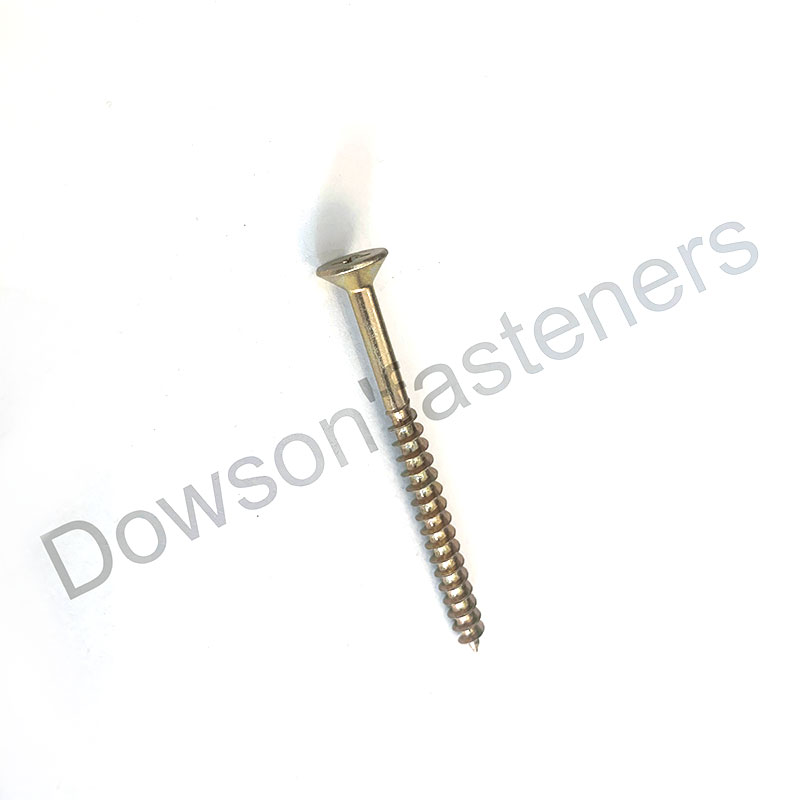
A chipboard screw is typically characterized by a sharp point, deep coarse threads, and a reinforced shank designed to create strong engagement in low-density and high-density composite wood substrates. Structural carpentry, cabinetry, and board-based assemblies rely on these precision screws to deliver torque stability, reduced splitting, and optimized load distribution during long-term service. As product variations expand to accommodate harder boards, automated assembly, and corrosion-prone environments, selecting the appropriate specification has become critical for ensuring performance and cost efficiency.
The following specification overview summarizes the key parameters commonly associated with professional-grade chipboard screws used across furniture plants, building sites, and fabrication workshops:
Chipboard Screw Technical Parameters
| Parameter | Description |
|---|---|
| Material Options | Carbon steel, alloy steel, stainless steel (304/316) |
| Coating Types | Yellow zinc, white zinc, black phosphate, plain, ruspert, dacromet |
| Thread Types | Single-thread, double-thread, coarse thread, hi-low thread |
| Head Styles | Countersunk, wafer, bugle, pan, flat |
| Drive Types | Pozidriv, Phillips, Torx, square drive |
| Point Styles | Sharp cutting point, Type 17 point |
| Diameters | 3.0 mm – 6.0 mm |
| Length Range | 12 mm – 200 mm |
| Applications | Particleboard, MDF, OSB, hardwood-veneer composites, furniture assembly, cabinet installation |
| Performance Features | High pull-out strength, optimized chip removal, reduced splitting, fast driving speed |
These parameters collectively determine how a chipboard screw interacts with specific wood structures, distributes pressure, mitigates stripping, and maintains mechanical stability under operational stress. As assembly lines accelerate and engineered boards increase in density, manufacturers continue to prioritize screw geometries that improve productivity without compromising precision.
How Do Chipboard Screw Designs Influence Stability, Fastening Strength, and Performance Across Different Wood Substrates?
Chipboard screws are developed around principles of torque transmission, thread engagement, chip evacuation, and internal friction control. The interplay between these variables dictates fastening quality. Understanding them is essential for companies seeking higher assembly efficiency and reduced defect rates.
Thread Geometry and Pull-Out Force
The deep, coarse threading characteristic of chipboard screws increases surface contact within composite boards. This geometry creates a reliable mechanical interlock, allowing for higher pull-out resistance compared with standard wood screws. In particleboard and MDF where fiber density varies, the thread profile helps distribute forces across a larger surface, preventing premature loosening and improving durability.
Drive Systems That Reduce Cam-Out
Drive stability directly affects assembly speed and final product quality. Torx and Pozidriv drives are widely used in manufacturing environments because they channel torque more efficiently, reduce slippage, and prevent head damage. This makes them suitable for power-driven applications where thousands of screws may be installed daily.
Head Profiles and Load Distribution
Head style selection influences both aesthetics and structural reliability. Countersunk heads enable flush seating, ensuring clean surface finishes in cabinetry and furniture panels. Wafer and pan heads offer broader bearing surfaces, improving pressure distribution in metal-to-wood and bracket-to-panel joints where increased surface area reduces localized stress.
Point Design for Fast Penetration and Reduced Splitting
A sharp cutting point or Type 17 point enhances drilling efficiency in dense boards while minimizing the risk of cracks. This design also improves chip extraction, especially in MDF where compacted fibers require efficient discharge to avert driving resistance.
How Manufacturing Advances Improve Reliability
As industrial wood products become denser and more moisture-resistant, screw manufacturers are developing enhanced coatings and heat-treated alloys to accommodate demanding conditions. Corrosion-resistant finishes such as ruspert or dacromet extend screw lifespan in humid environments, while specialized hi-low threads increase holding power in high-density MDF.
Collectively, these engineering enhancements explain how chipboard screws maintain stable mechanical behavior under varied workloads and installation environments. Their evolution has been shaped by the increasing complexity of engineered wood substrates and the rising expectations of modern manufacturing workflows.
How Can Manufacturers and Builders Determine the Right Chipboard Screw for Optimized Assembly Efficiency?
Selecting the appropriate chipboard screw is directly tied to production quality, assembly speed, and structural performance. Several factors guide this decision-making process.
Board Density and Material Composition
Particleboard and MDF differ significantly in fiber structure. MDF’s higher density requires sharper points and stronger core hardness, while low-density chipboard benefits from coarse threads that anchor firmly without over-compression.
Installation Equipment
Automated screwdrivers and CNC assembly systems often demand Torx or Pozidriv heads to maintain torque consistency. Screws with lubricated coatings may be necessary to achieve smooth installation at high speeds.
Load Requirements and Structural Demands
Furniture with moving components, such as hinges and drawer systems, requires screws with superior withdrawal resistance. Longer thread coverage and reinforced shanks improve performance in dynamic load environments.
Surface Finish and Aesthetic Considerations
Countersunk heads are preferred for flush surfaces, particularly in visible fixtures. Decorative assemblies may demand coating finishes that blend seamlessly with the surrounding material.
Environmental Conditions
Outdoor or humid environments require corrosion-resistant options such as stainless steel or ruspert-coated screws. For indoor furniture, zinc-plated screws typically provide sufficient protection.
Emerging Trends in Chipboard Screw Development
As sustainability and production efficiency remain priorities in global manufacturing, future chipboard screw innovations are expected to focus on:
• Faster driving performance for high-speed assembly lines
• Enhanced corrosion-resistant coatings for evolving application environments
• Stronger and more ductile steel grades for dense engineered boards
• Precision-machined threads optimized for automated furniture production
• Manufacturing processes that reduce environmental impact
These trends underscore the role of chipboard screws as indispensable fastening components supporting advancements in engineered wood design and industrial fabrication.
How Do Chipboard Screws Support Production Reliability, and Why Do Leading Manufacturers Choose Dowson?
Across furniture plants, construction sites, and industrial fabrication environments, chipboard screws play a critical role in delivering consistent fastening performance. Their refined thread geometry, stable drive systems, corrosion-resistant coatings, and engineered points make them indispensable in composite wood applications where precision and structural reliability are required. Manufacturers rely on them to maintain assembly consistency, reduce rework rates, and improve final product quality.
Producers that seek dependable, high-specification chipboard screws often turn to established suppliers with proven manufacturing standards. Dowson, recognized for its rigorous quality control, precision machining, and comprehensive coating options, continues to supply screws that meet the evolving demands of engineered wood applications. Its product offerings support both small-scale workshops and high-volume factories seeking reliability and performance across diverse fastening tasks.
For organizations evaluating fastening solutions or planning procurement cycles, professional consultation and technical support remain essential. To discuss project requirements, specification matching, or bulk supply solutions, contact us to receive detailed assistance tailored to production needs.