
How Can a Linear Floor Drain Improve Bathroom Drainage and Modern Design?
2026-10-21
A well-designed drainage system is essential for maintaining a clean, safe, and comfortable indoor environment. In modern bathrooms, showers, kitchens, and other wet areas, a Linear Floor Drain offers an effective solution for water collection while complementing contemporary interior design. Compared with traditional point drains, its elongated drainage channel provides greater flexibility in layout planning and can support efficient water removal when properly designed and installed.
For residential projects, hotels, commercial buildings, and other construction applications, choosing the right Linear Floor Drain can help reduce standing water, simplify floor maintenance, and create a seamless appearance. Ningbo Huazhu Precision Machinery Co., LTD. focuses on precision manufacturing and practical product solutions, helping customers explore drainage components that balance functionality, durability, and design requirements.
What Is a Linear Floor Drain?
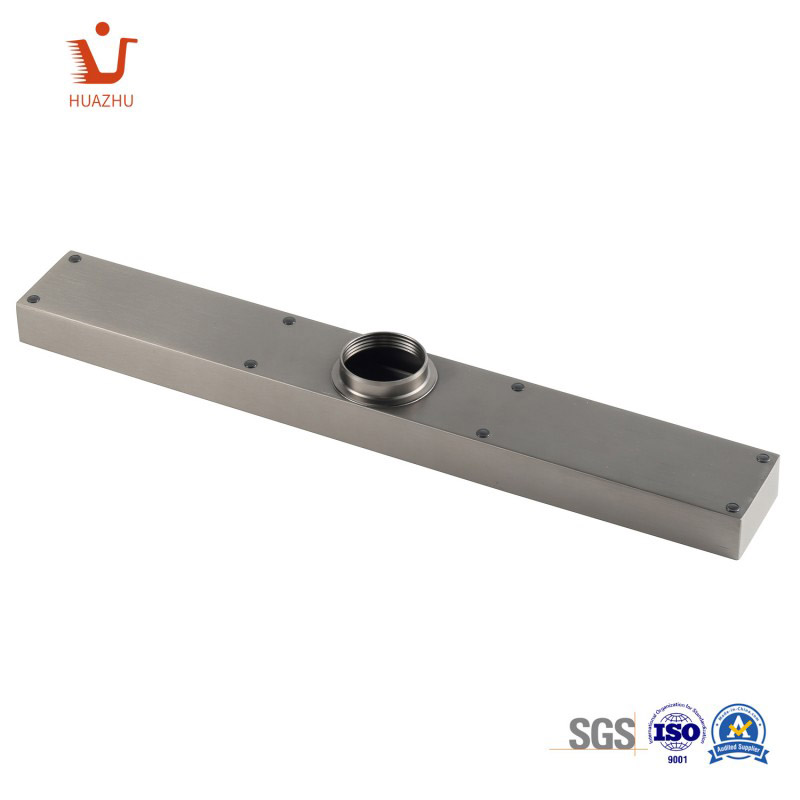
A Linear Floor Drain is an elongated drainage fixture designed to collect surface water along a narrow channel and direct it into the drainage pipe. It is commonly installed in walk-in showers, bathrooms, balconies, laundry rooms, and other areas where water must be removed efficiently.
Unlike a conventional round or square drain that collects water around a single central point, a linear design distributes water collection along a longer opening. This arrangement can provide more flexibility when positioning the drain and planning the floor slope.
Typical components include:
-
Drainage channel: Collects surface water and directs it toward the outlet.
-
Grate or cover: Allows water to enter while helping prevent larger debris from entering the drainage system.
-
Outlet connection: Connects the drain to the building's wastewater piping.
-
Waterproofing interface: Helps integrate the drainage assembly with the surrounding floor waterproofing system.
-
Removable cover or strainer: Supports routine cleaning and maintenance, depending on the product design.
The exact configuration varies according to installation conditions, material selection, outlet position, and project requirements.
Why Is a Linear Floor Drain Important?
Effective drainage is not simply about moving water away. It also affects floor safety, hygiene, maintenance costs, and the overall performance of a wet-area installation.
1. Supports Efficient Water Removal
The elongated collection channel can receive water across a wider section of the floor. When matched with suitable drainage capacity and an appropriate floor gradient, a Linear Floor Drain helps minimize water accumulation in showers and other wet environments.
Actual performance depends on the outlet diameter, channel dimensions, flow rate, installation accuracy, and the drainage system's overall capacity.
2. Helps Maintain a Cleaner Environment
Standing water can contribute to soap residue, unpleasant odors, and difficult-to-clean areas. A properly installed floor drain helps water flow toward the outlet, making routine cleaning easier and supporting better wet-area hygiene.
Removable grates and accessible internal channels are particularly useful because they allow users to remove hair, dirt, and other debris before blockages develop.
3. Enhances Modern Interior Design
A Linear Floor Drain offers a streamlined appearance that works well with contemporary architectural styles. Its narrow profile can complement large-format tiles, minimalist bathrooms, and open shower spaces.
Depending on the model, the drain may be installed along a wall, near a shower entrance, or in another suitable position that supports both drainage and visual consistency.
4. Improves Layout Flexibility
Because water is collected along an elongated channel, designers have more options when arranging shower floors and coordinating tile layouts. Some installations can also accommodate single-direction floor slopes, potentially simplifying tile planning compared with certain point-drain configurations.
However, the floor gradient and waterproofing details must always be designed for the specific installation.
Which Linear Floor Drain Should You Choose?
Different projects require different drainage solutions. Selecting the right model involves more than comparing appearance or purchase price.
| Selection Factor | What to Consider | Why It Matters |
|---|---|---|
| Material | Stainless steel or other application-appropriate materials | Influences corrosion resistance, durability, and appearance |
| Drainage capacity | Expected water flow and outlet specifications | Helps prevent water accumulation |
| Length and width | Available installation space and floor layout | Ensures a suitable fit |
| Outlet position | Horizontal or vertical connection, as applicable | Simplifies plumbing coordination |
| Grate design | Slotted, patterned, or tile-insert options | Affects appearance and cleaning |
| Maintenance access | Removable cover and accessible channel | Makes routine cleaning easier |
| Installation compatibility | Floor thickness, waterproofing, and tile design | Helps achieve a reliable installation |
For residential bathrooms, appearance and easy cleaning may be key priorities. Hotels and commercial shower facilities may place greater emphasis on drainage capacity, frequent-use durability, maintenance access, and consistency across multiple rooms.
Before purchasing, confirm the product dimensions, outlet connection, installation depth, and applicable performance specifications.
Linear Floor Drain vs. Traditional Point Drain
Both drainage types have practical advantages. The best choice depends on the floor plan, water flow, installation conditions, and budget.
| Comparison | Linear Floor Drain | Traditional Point Drain |
|---|---|---|
| Shape | Long, narrow channel | Round or square opening |
| Water collection | Along an elongated section | Around a central point |
| Floor slope | Can support a single-direction slope in suitable layouts | Often requires multiple sloping planes |
| Tile coordination | Works well with many large-format tile layouts | May require more complex cuts around the drain |
| Installation cost | May involve a higher initial product cost | Often offers a more economical basic option |
| Typical applications | Modern showers, hotels, and contemporary bathrooms | Residential bathrooms and general wet areas |
A Linear Floor Drain is especially attractive when design flexibility and a streamlined appearance are important. A point drain may be more suitable for smaller projects with straightforward layouts and tighter budgets.
Neither design is automatically superior in every situation. Correct sizing, installation, and maintenance are essential for both.
Where Can a Linear Floor Drain Be Used?
A properly specified Linear Floor Drain can serve a variety of residential and commercial applications.
Common applications include:
-
Walk-in showers: Helps collect shower water while supporting a clean, open layout.
-
Residential bathrooms: Combines practical drainage with modern floor design.
-
Hotels and resorts: Supports consistent bathroom layouts across guest rooms.
-
Commercial changing rooms: Provides drainage for frequently used wet floors when appropriately specified.
-
Laundry and utility rooms: Helps manage surface water where suitable floor drainage is required.
-
Balconies and selected outdoor areas: Can collect rainwater when the product is suitable for exterior exposure and the drainage capacity meets local requirements.
For outdoor applications, buyers should also consider weather exposure, debris accumulation, waterproofing, and local building requirements.
How Can You Maximize Drainage Performance?
Even a high-quality Linear Floor Drain cannot perform effectively without proper installation and maintenance.
Follow Correct Installation Practices
First, verify the drain's dimensions and outlet connection against the plumbing plan. The floor must have an appropriate slope toward the drainage channel, while the waterproofing membrane must be correctly integrated with the drain assembly.
The installer should also check the channel alignment, outlet connection, and water flow before completing the surrounding tile work. Local plumbing and building regulations should be followed throughout the installation.
Establish a Simple Maintenance Routine
Regular maintenance helps preserve drainage performance and extend service life.
-
Remove the grate according to the manufacturer's instructions.
-
Clear accumulated hair, soap residue, and visible debris.
-
Clean the channel with suitable non-damaging cleaning products.
-
Check for slow drainage, unusual odors, or visible leakage.
-
Inspect accessible seals and connections when necessary.
Avoid harsh chemicals or abrasive tools that may damage the drain's finish or components.
Why Consider Ningbo Huazhu Precision Machinery Co., LTD.?
Choosing a drainage product supplier involves evaluating product suitability, manufacturing consistency, technical communication, and project requirements. These considerations are particularly important for contractors, distributors, importers, and construction material buyers sourcing products for different markets.
Ningbo Huazhu Precision Machinery Co., LTD. can be a point of contact for customers exploring precision-manufactured product solutions and discussing their specific sourcing needs. When evaluating a Linear Floor Drain or related drainage components, buyers should confirm available models, material options, dimensional tolerances, quality-control procedures, and customization capabilities directly with the supplier.
For bulk purchasing or project-based procurement, providing drawings, specifications, estimated quantities, and intended applications can help make product discussions more efficient and clarify whether a proposed solution meets the project's requirements.
Conclusion
A Linear Floor Drain combines practical water collection with flexible installation possibilities and a modern architectural appearance. When correctly selected, installed, and maintained, it can support efficient drainage, easier cleaning, and attractive wet-area designs.
For buyers, the most important considerations are drainage capacity, material suitability, product dimensions, installation compatibility, and long-term maintenance. Comparing these factors carefully helps ensure that the chosen solution meets both functional and aesthetic expectations.
Ningbo Huazhu Precision Machinery Co., LTD. welcomes inquiries from distributors, contractors, importers, and project buyers seeking further information about product specifications and sourcing options. Contact us to discuss your requirements, explore suitable product solutions, and learn more about options for your next project.