
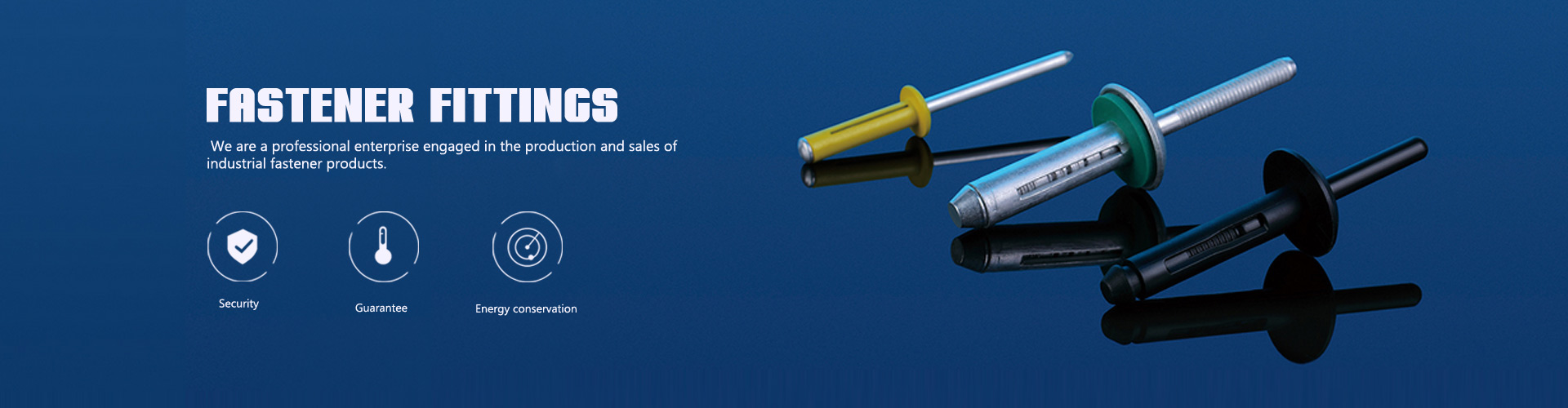
How Are Motorcycle Fasteners Shaping Reliability and Performance in the Global Motorcycle Industry?
2026-01-07
Abstract
Motorcycle fasteners are foundational mechanical components that directly influence vehicle safety, durability, and assembly efficiency. This article provides a comprehensive overview of motorcycle fasteners, focusing on their structural role, technical specifications, application environments, and engineering considerations.
Table of Contents
- How Do Motorcycle Fasteners Function Within a Complete Motorcycle System?
- How Are Motorcycle Fasteners Specified, Classified, and Standardized?
- How Do Motorcycle Fasteners Address Real-World Riding and Environmental Conditions?
- How Is the Motorcycle Fastener Market Evolving Toward the Future?
- How Do Common Questions About Motorcycle Fasteners Get Answered?
Outline
- Industry overview and functional role of motorcycle fasteners
- Technical parameters and engineering specifications
- Application scenarios and performance requirements
- Manufacturing trends and future development
- Frequently asked technical questions
How Do Motorcycle Fasteners Function Within a Complete Motorcycle System?
Motorcycle fasteners are precision-engineered mechanical elements designed to secure, align, and maintain the integrity of multiple motorcycle assemblies. These components are widely used across engine systems, chassis structures, braking assemblies, suspension linkages, exhaust systems, and body panels. Unlike generic hardware, motorcycle fasteners must meet strict requirements related to vibration resistance, tensile strength, fatigue life, and dimensional accuracy.
Within a complete motorcycle system, fasteners serve as load-bearing connectors that distribute mechanical stress evenly across joined components. During operation, motorcycles are exposed to continuous vibration, rapid acceleration and deceleration, thermal cycling, and environmental exposure. Fasteners must maintain consistent clamping force under these conditions to prevent loosening, misalignment, or component failure.
From an assembly perspective, motorcycle fasteners also influence manufacturing efficiency and maintenance accessibility. Consistent thread tolerances, standardized head types, and surface treatments help reduce assembly errors and improve serviceability throughout the motorcycle’s lifecycle.
How Are Motorcycle Fasteners Specified, Classified, and Standardized?
Motorcycle fasteners are defined by a combination of dimensional, mechanical, and material parameters. These specifications ensure compatibility with motorcycle designs and compliance with international quality standards. Proper classification allows manufacturers and distributors to select fasteners that meet both performance and regulatory requirements.
Key Technical Parameters of Motorcycle Fasteners
| Parameter | Description |
|---|---|
| Material Composition | Common materials include carbon steel, alloy steel, stainless steel, titanium, and aluminum alloys, selected based on strength and corrosion resistance needs. |
| Strength Grade | Grades such as 8.8, 10.9, and 12.9 define tensile and yield strength, especially critical for engine and chassis applications. |
| Thread Type | Metric coarse and fine threads dominate motorcycle applications, ensuring precise torque control and vibration resistance. |
| Surface Treatment | Zinc plating, black oxide, anodizing, and anti-corrosion coatings improve durability in harsh environments. |
| Dimensional Tolerance | Tight tolerances ensure accurate fitment and consistent preload across assemblies. |
Standardization plays a crucial role in motorcycle fastener selection. International standards such as ISO, DIN, JIS, and ASTM define thread geometry, mechanical properties, and testing requirements. Compliance with these standards ensures interchangeability across global markets and simplifies supply chain coordination.
In addition, motorcycle manufacturers often impose proprietary specifications to address brand-specific performance targets. These may include enhanced fatigue testing, torque-angle tightening methods, or customized coatings designed for specific riding conditions.
How Do Motorcycle Fasteners Address Real-World Riding and Environmental Conditions?
Motorcycle fasteners are engineered to perform reliably under diverse and often demanding real-world conditions. Exposure to road vibration, moisture, temperature fluctuations, and chemical contaminants places significant stress on fastening systems.
To counter vibration-induced loosening, many motorcycle fasteners incorporate design features such as fine-pitch threads, prevailing torque designs, or compatibility with thread-locking compounds. These solutions help maintain clamp load throughout prolonged riding cycles.
Environmental resistance is another critical factor. Fasteners used in exterior or underbody applications must resist corrosion caused by rain, humidity, road salts, and fuel residues. Surface treatments and material selection are optimized to extend service life while maintaining structural integrity.
Thermal performance is particularly important for engine and exhaust assemblies. Fasteners in these areas must tolerate repeated heating and cooling cycles without loss of strength or dimensional stability. High-temperature alloys and controlled heat-treatment processes are commonly employed to meet these demands.
How Is the Motorcycle Fastener Market Evolving Toward the Future?
The motorcycle fastener industry is evolving in response to broader changes in vehicle design, manufacturing technology, and sustainability requirements. Lightweight construction, electrification, and modular assembly concepts are reshaping fastener development priorities.
One notable trend is the increased use of lightweight materials such as aluminum and titanium alloys. These materials help reduce overall vehicle weight while maintaining sufficient mechanical strength, particularly in performance-oriented motorcycles.
Advances in surface engineering are also influencing future fastener design. Multi-layer coatings, environmentally friendly plating processes, and improved corrosion inhibitors support longer service intervals and reduced maintenance costs.
From a manufacturing standpoint, automation and precision machining are driving higher consistency and traceability. Digital quality control systems enable real-time monitoring of fastener dimensions and mechanical properties, supporting tighter tolerances and improved reliability.
How Do Common Questions About Motorcycle Fasteners Get Answered?
Q: How should motorcycle fasteners be selected for different components?
A: Selection depends on load requirements, vibration exposure, temperature range, and environmental conditions. Engine and chassis areas typically require high-strength alloy steel fasteners, while body panels may use lighter materials.
Q: How does improper torque affect motorcycle fasteners?
A: Under-torque can lead to loosening and component movement, while over-torque may cause thread damage or fastener failure. Accurate torque control is essential for maintaining joint integrity.
Q: How often should motorcycle fasteners be inspected or replaced?
A: Inspection intervals vary by application, but fasteners exposed to high stress, heat, or corrosion should be checked regularly and replaced if signs of wear, deformation, or corrosion are detected.
Conclusion and Brand Introduction
As motorcycles continue to advance in performance, efficiency, and design complexity, motorcycle fasteners remain a critical element supporting safety and structural reliability. Their role extends beyond simple connection, influencing assembly precision, long-term durability, and overall riding experience.
Max Trading has established itself as a reliable supplier of motorcycle fasteners, offering products developed with strict adherence to international standards and real-world application requirements. Through consistent quality control and a broad product range, the brand supports manufacturers, distributors, and maintenance professionals across diverse markets.
For further technical information, customized specifications, or sourcing support related to motorcycle fasteners, interested parties are encouraged to contact us directly. Professional consultation ensures that fastening solutions are accurately matched to application needs and performance expectations.