
How Are High Strength Neodymium Magnets Manufactured for Modern Technology
2026-03-10
In the rapidly evolving landscape of modern engineering, high strength magnets form the invisible backbone of countless innovations. From miniaturized consumer electronics to heavy-duty industrial machinery, the demand for powerful and compact magnetic solutions has never been greater. As a leader in the industry, ZHAOBAO MAGNET GROUP utilizes advanced metallurgical processes to transform raw materials into precision-engineered components that power the modern world. Understanding the manufacturing journey of these magnets reveals why they are indispensable to contemporary technology.
The Powder Metallurgy Process: From Ore to Magnet
The creation of a sintered neodymium magnet is a complex, multi-stage procedure that requires absolute precision. Unlike cast magnets, these are produced through a powder metallurgy route, which allows for the development of the exceptional magnetic properties required today.
1. Raw Material Preparation
The foundation of any high strength magnet is its alloy composition. The process begins with melting raw materials—Neodymium, Iron, and Boron—in a vacuum induction furnace. Trace elements like Dysprosium or Terbium are often added to enhance the coercivity and temperature resistance. The molten metal is then cast into thin sheets or flakes to create a uniform microstructure.
2. Jet Milling
To achieve the theoretical maximum energy product, the alloy must be reduced to a fine powder. The strips are fed into a jet mill, where high-pressure nitrogen gas grinds them into particles just a few microns in diameter. This stage is critical, as the particle size directly influences the magnetic alignment during the pressing stage.
3. Pressing & Alignment
This is where the magnetic "direction" is established. The fine powder is placed in a mold within a strong magnetic field. This field aligns the particles so that their magnetic axes all point in the same direction. The powder is then pressed under high pressure to form a compacted block, often referred to as a "green part."
4. Sintering
The green parts are far from finished; they are porous and fragile. They are placed in a sintering furnace and heated to near-melting temperatures (approximately 1000-1100°C) in an oxygen-free environment. This process bonds the particles at an atomic level, densifying the material and shrinking it to its final solid form.
5. Heat Treatment & Aging
Following sintering, a precise aging heat treatment is applied. This relieves internal stresses and optimizes the microstructure, which dramatically enhances the intrinsic coercivity and overall magnetic performance.
Key Manufacturing Stages at a Glance
The following table breaks down the core stages of production and their impact on the final product quality as executed by ZHAOBAO MAGNET GROUP.
| Stage | Process | Impact on Quality |
|---|---|---|
| Alloying | Melting raw materials in a vacuum furnace. | Ensures chemical purity and correct magnetic phase. |
| Milling | Grinding strip cast into micron-level powder. | Determines grain size for optimal magnetic alignment. |
| Pressing | Aligning particles in a magnetic field and compacting. | Establishes the preferred direction of magnetization. |
| Sintering | Heating compacted powder to fuse particles. | Increases density and mechanical strength. |
| Machining | Cutting blocks with diamond tools or wire EDM. | Achieves tight tolerances for complex geometries. |
| Coating | Applying Nickel, Zinc, or Epoxy layers. | Protects against corrosion and chipping. |
Finishing and Magnetization
After sintering, the blocks are incredibly hard and brittle. They cannot be machined with traditional metal tools. Instead, ZHAOBAO MAGNET GROUP utilizes diamond grinding wheels and Wire Electrical Discharge Machining (EDM) to cut the material into specific shapes like blocks, rings, or arcs.
Once shaped, the magnets are in a "neutral" state. They must be exposed to a massive, instantaneous magnetic field in a process called "pulse magnetization." This aligns all the magnetic domains permanently, turning the processed material into a functional high strength magnet.
Surface Protection: Ensuring Longevity
Neodymium magnets are susceptible to corrosion. If left uncoated, the iron content can rust, degrading the magnet. Therefore, surface treatment is a mandatory final step. Common coatings include:
-
Nickel-Copper-Nickel: The industry standard for general use.
-
Zinc: Offers a silvery appearance and decent corrosion resistance.
-
Epoxy: Ideal for applications requiring electrical insulation or higher chemical resistance.
Frequently Asked Questions About High Strength Magnets
What are the main advantages of using high strength neodymium magnets in modern electronics?
The primary advantage of high strength magnets in electronics is their ability to generate a powerful magnetic field from a very small volume. This allows engineers to design thinner smartphones, quieter headphones, and more responsive hard disk drives. Their high coercivity also means they resist demagnetization from stray magnetic fields generated by other components inside a device.
How does the manufacturing process affect the temperature stability of these magnets?
Temperature stability is directly engineered during the alloying and heat treatment stages. During manufacturing at ZHAOBAO MAGNET GROUP, elements like Dysprosium are added to the base alloy to raise the Curie temperature. Furthermore, the precise aging heat treatment relieves internal stresses that could cause irreversible flux loss at elevated temperatures, ensuring the magnet performs reliably in motors or sensors that generate heat.
Can high strength magnets be manufactured in custom shapes for specific industrial applications?
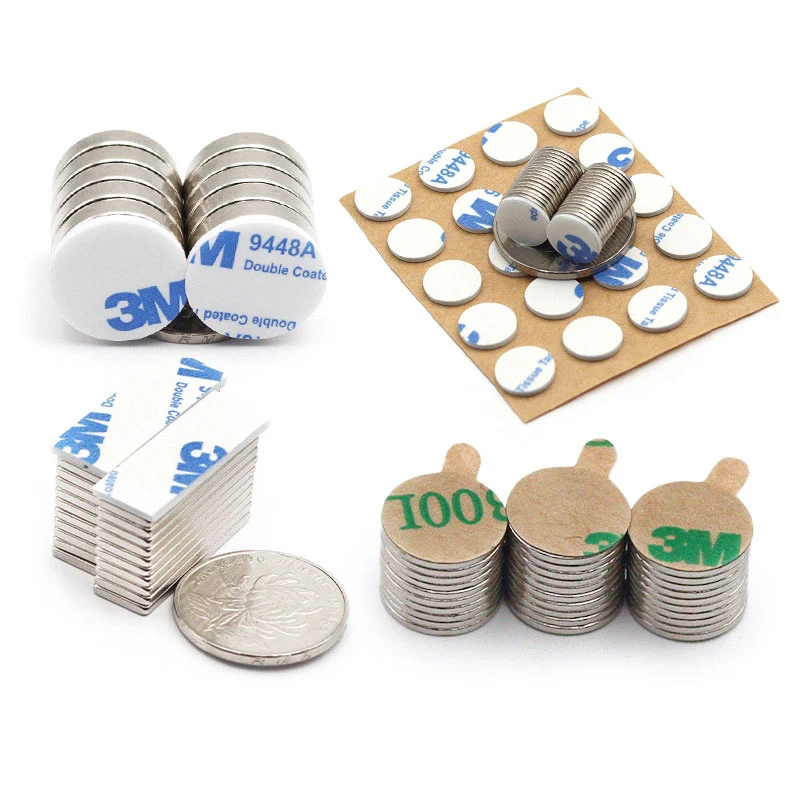
Yes, absolutely. While standard shapes like discs and blocks are common, the powder metallurgy process allows for significant customization. After sintering, the material can be machined into complex geometries such as arc segments for brushless DC motors or intricate channels for magnetic couplings. At ZHAOBAO MAGNET GROUP, we utilize Wire EDM and precision grinding to achieve the tight tolerances required for specialized industrial tools and automotive components.
The journey from raw alloy to a finished, magnetized component requires metallurgical expertise and precision engineering. As technology pushes the boundaries of miniaturization and power, the role of high-performance magnetic materials continues to grow.
To discuss your specific application requirements or to request a quote for custom-manufactured high strength magnets, please contact us today. Our engineering team at ZHAOBAO MAGNET GROUP is ready to assist you.