
Can You Use Braze Fittings on Refrigerant Lines
2025-12-19
In fact, brazing is the industry-standard, preferred method for creating permanent, strong, and leak-proof joints in refrigeration and air conditioning piping. The integrity of these connections is paramount, as even a minor leak can lead to system failure, lost efficiency, and environmental harm. At Mingxiangjie, we engineer our braze fittings specifically to meet the rigorous demands of HVAC/R applications, ensuring reliable performance under pressure and temperature fluctuation.
Why Mingxiangjie Braze Fittings are the Professional's Choice for Refrigerant Lines
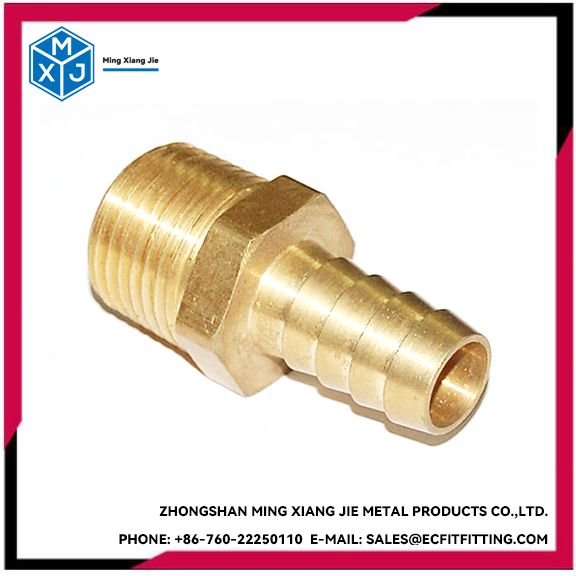
Our Mingxiangjie fittings are crafted from high-quality copper (C12200), chosen for its excellent thermal conductivity, malleability, and corrosion resistance. They are manufactured to precise specifications to ensure a perfect fit with standard tubing, allowing for a smooth capillary action during the brazing process. This is crucial for creating a flawless joint that will withstand the test of time.
Key Product Parameters & Advantages:
-
Material: Phosphorus-deoxidized, non-arsenical copper (C12200).
-
Pressure Rating: Suitable for high-pressure applications common in modern refrigerant systems (R410A, R32, etc.).
-
Temperature Range: Designed to perform reliably in the extreme temperature cycles of HVAC/R systems.
-
Manufacturing Standard: Precision-formed to ensure consistent wall thickness and a clean, burr-free interior to prevent turbulence and pressure drop.
-
Compatibility: Perfectly matched with our Mingxiangjie brazing alloys for optimal results.
For a quick comparison of why brazing is essential for refrigerant lines, consider this table:
| Connection Method | Strength & Durability | Leak Prevention | Suitability for Refrigerant Lines |
|---|---|---|---|
| Brazed Joint | Extremely High - The joint is as strong as the base metals. | Excellent - Creates a permanent metallurgical bond. | Ideal - The industry standard for high-integrity seals. |
| Mechanical Fitting | Variable - Relies on elastomeric seals. | Risk Over Time - Seals can degrade. | Not Recommended - Prone to leaks under thermal cycling. |
| Soft Solder | Moderate - Lower melting point alloy. | Poor - May fail under vibration and high pressure. | Unacceptable - Unsafe and unreliable for modern systems. |
Braze Fitting FAQ
Q: What type of brazing rod should I use with Mingxiangjie fittings on refrigerant lines?
A: For copper-to-copper joints, a phosphorus-copper (BCuP) series alloy, such as Mingxiangjie BCuP-2 or BCuP-3 rods, is highly recommended. These are self-fluxing on copper, provide excellent flow, and create a strong, ductile joint suitable for the thermal cycling of refrigerant lines.
Q: Is nitrogen purging necessary when brazing refrigerant line fittings?
A: Absolutely. Nitrogen purging is a non-negotiable best practice. It displaces oxygen inside the tubing during brazing, preventing the formation of harmful copper oxide scale (black soot) inside the pipe. This scale can flake off, damaging compressors and expansion devices, and restricting flow. Always use a nitrogen purge for clean, reliable systems.
Q: How do I ensure a leak-free braze joint on a critical refrigerant circuit?
A: Follow a precise process: 1) Use clean, properly reamed tubing and Mingxiangjie fittings. 2) Apply heat evenly to the entire fitting, not just the rod. 3) Use the correct Mingxiangjie brazing alloy. 4) Employ a nitrogen purge. 5) Allow the joint to cool naturally before moving it. A proper braze will have a smooth, concave fillet where the alloy has been drawn completely into the joint by capillary action.
For professionals who refuse to compromise on quality and system longevity, the choice is clear. Trust the fittings engineered for the challenge. Contact us today to explore the full Mingxiangjie catalog of braze fittings and brazing supplies, and let our technical team help you specify the perfect solution for your next HVAC/R project.