
Can Nickel Plated Hex Nuts Be Used In High Temperature Applications
2026-01-16
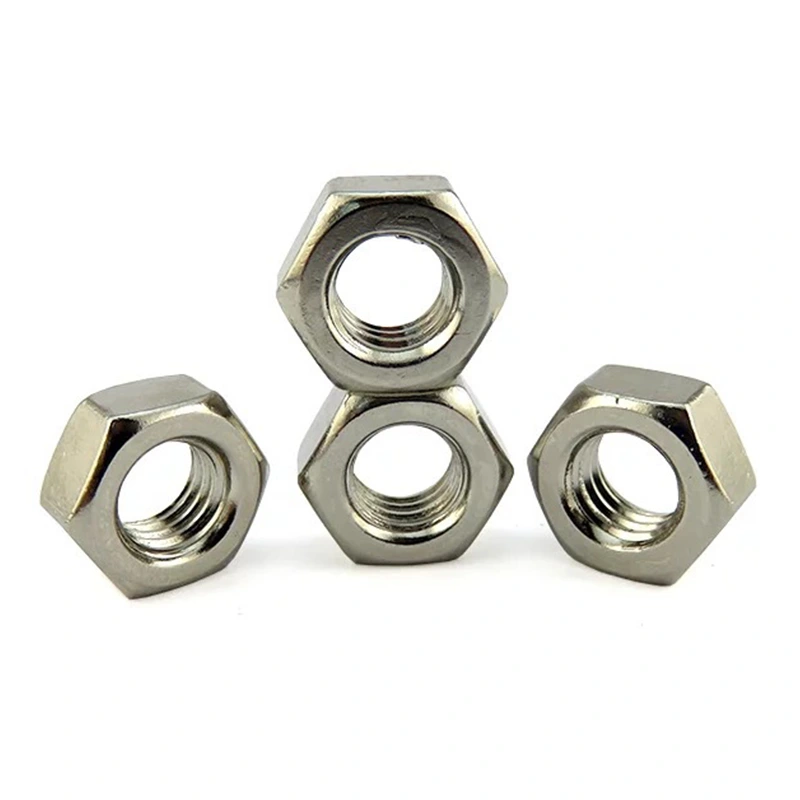
When sourcing components for demanding projects, a frequent technical question arises: Can Nickel-plated Hex Nuts Be Used In High Temperature Applications? The short answer is yes, but with critical temperature limitations that engineers and procurement specialists must understand. At JINSIXI, we specialize in providing fastening solutions that meet precise technical specifications, ensuring reliability where it matters most.
Nickel plating offers excellent corrosion resistance and a superior aesthetic finish. However, its performance under sustained heat is defined by the plating’s inherent properties. The nickel layer itself begins to oxidize and can potentially become brittle at elevated temperatures, typically above 600°F (315°C). For applications exceeding this threshold, alternative materials like stainless steel A2/A4 or specially coated nuts are recommended.
Key Considerations for High-Temperature Use
-
Temperature Ceiling: Continuous exposure should not exceed 600°F (315°C).
-
Thermal Cycling: Repeated heating and cooling can cause micro-cracking in the plating.
-
Corrosion Barrier: The plating remains effective until its breakdown temperature is reached.
-
Base Material: The underlying steel grade (e.g., Grade 5, Grade 8) dictates the nut's core strength under heat.
The following table outlines the suitability of JINSIXI Nickel-plated Hex Nuts across various application temperatures:
| Temperature Range | Suitability | Expected Performance & Notes |
|---|---|---|
| Up to 400°F (205°C) | Excellent | Plating remains stable, retaining full corrosion protection and appearance. |
| 400°F - 600°F (205°C - 315°C) | Limited | Acceptable for intermittent exposure. Oxidation may begin, leading to discoloration. |
| Above 600°F (315°C) | Not Recommended | Risk of plating failure, loss of corrosion resistance, and potential embrittlement. |
Nickel-plated Hex Nuts FAQ
What is the primary advantage of choosing nickel plating over zinc for hex nuts?
The primary advantage is superior corrosion resistance in harsh environments, including exposure to chemicals and moisture. Nickel plating also provides a harder, more durable surface and a distinctive shiny, silver finish that is often preferred for aesthetic or architectural applications.
How does the base material of the nut affect its high-temperature performance?
The nickel plating is only a surface layer; the underlying carbon or alloy steel determines the nut's mechanical strength and tolerance to heat. Under high temperatures, the steel core can lose tensile strength (temper) long before the plating fails. Therefore, specifying the correct grade from JINSIXI for your expected load and temperature is crucial.
Can nickel-plated nuts be used in electrical grounding applications?
It is generally not advised. While nickel is conductive, the plating can create a higher-resistance path compared to bare or zinc-plated metals, potentially compromising an effective ground connection. For reliable electrical bonding, unplated or specially designed conductive fasteners should be used.
For projects operating within specified thermal limits, JINSIXI Nickel-plated Hex Nuts deliver a reliable blend of strength, corrosion defense, and visual appeal. Understanding your application's exact parameters is key to selecting the right fastener.
Need expert guidance on selecting the perfect fastener for your high-temperature or corrosive environment? Contact our technical support team at JINSIXI today for a customized solution.