
Are Aluminum or Copper Substation Connector Fittings Better for Your Application
2026-09-16
Selecting the right material for Substation Connector Fittings directly affects electrical performance, service life, and long-term maintenance costs. Huixing has manufactured conductive connection products for substations and transmission projects for years, and one question appears in nearly every technical discussion: should the connector body be aluminum or copper? The answer depends on current density, installation environment, mechanical load, and budget. This article breaks down the differences so engineers and procurement teams can specify with confidence.
Why Material Choice Matters for Substation Connector Fittings
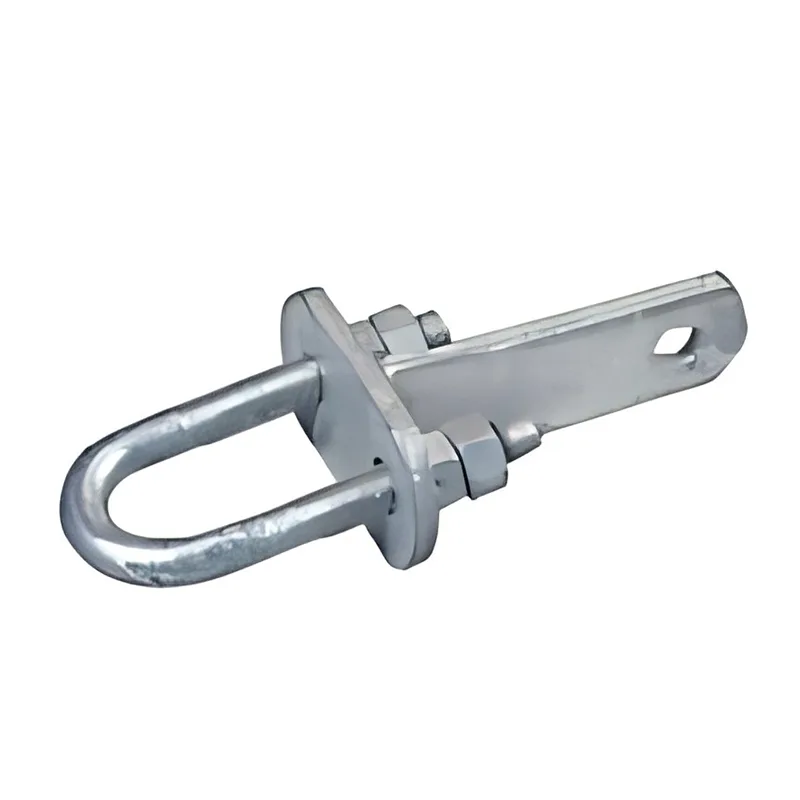
Substation Connector Fittings carry rated current between conductors, busbars, breakers, and transformers. The material determines conductivity, thermal behavior, corrosion resistance, and clamp force retention. A poor match can raise contact resistance, accelerate oxidation, and increase hotspot risk.
Key Comparison at a Glance
| Property | Aluminum Substation Connector Fittings | Copper Substation Connector Fittings |
|---|---|---|
| Electrical conductivity | About 61% of copper (IACS) | About 100% IACS |
| Weight | Roughly one-third of copper | Heavy, requires stronger support |
| Corrosion behavior | Forms protective oxide; needs plating or inhibitor | Stable in most indoor environments; tarnishes outdoors |
| Thermal expansion | Higher; requires Belleville washers or spring clamps | Lower; maintains clamp force well |
| Typical cost | Lower and more stable | Higher and more volatile |
| Best fit | Long spans, weight-sensitive structures, cost-driven projects | High-current, space-limited, high-reliability joints |
Where Aluminum Substation Connector Fittings Perform Best
-
High-voltage bus and long-span connections where weight reduction lowers structural load
-
Projects with tight budgets and stable aluminum supply chains
-
Outdoor installations using tin-plated or bimetallic contact surfaces
-
Applications with adequate space for larger conductor cross-sections
Where Copper Substation Connector Fittings Perform Best
-
High-current joints in compact switchgear compartments
-
Indoor terminals and equipment connections requiring minimal cross-section
-
Critical nodes where low contact resistance is the top priority
-
Retrofit projects matching existing copper conductors
Avoiding Bimetallic Corrosion
When aluminum and copper meet, moisture and current accelerate galvanic corrosion. The practical solution is a bimetallic transition plate or tin-plated contact face. Huixing supplies Substation Connector Fittings with plated interfaces and controlled surface preparation to keep contact resistance stable over decades of service.
Installation and Maintenance Checklist
-
Clean and brush contact surfaces, then apply oxidation inhibitor.
-
Use a calibrated torque wrench and follow the specified value.
-
Install Belleville washers on aluminum joints to offset thermal expansion.
-
Perform infrared scanning after energization and at routine intervals.
-
Record torque and resistance data for trend analysis.
Substation Connector Fittings FAQ
Q: Are aluminum Substation Connector Fittings suitable for high-voltage substations?
A: Yes. When properly sized, plated, and torqued, aluminum Substation Connector Fittings are widely used at 110 kV, 220 kV, and higher. The larger cross-section compensates for lower conductivity, and correct hardware controls thermal expansion. The key is specifying the right alloy, such as 6061 or 6101, and avoiding direct aluminum-to-copper contact without a bimetallic barrier.
Q: How do I prevent corrosion on Substation Connector Fittings outdoors?
A: Use tin or silver plating on contact surfaces, apply a quality oxidation inhibitor before assembly, and seal the joint against moisture ingress. For mixed-metal connections, install a bimetallic transition plate. Routine infrared inspection and torque checks every 12 to 24 months catch early degradation before it becomes a hotspot or failure.
Q: Which material offers lower total cost of ownership for Substation Connector Fittings?
A: Aluminum usually wins on initial purchase and structural savings, while copper often wins on maintenance frequency in high-current, confined spaces. The correct answer comes from a lifecycle calculation covering material cost, installation labor, energy losses, inspection intervals, and outage risk. Huixing can support this evaluation with test data and application experience.
Final Recommendation
Neither material is universally superior. Match conductivity, weight, corrosion exposure, and maintenance capability to the actual node. Huixing engineers can review your single-line diagram and recommend the optimal Substation Connector Fittings configuration.
Contact us today to request samples, technical datasheets, or a customized quotation for your substation project.