
Wear Resistant Steel Plate: Unleashing the Power of Chinese Materials for Long-Lasting Performance
2026-04-03
In an industrial landscape where durability defines success, wear resistant steel plates have emerged as critical components for heavy-duty applications. When it comes to sourcing materials that combine toughness, longevity, and cost-effectiveness, China has become a formidable player on the global stage. Jiangsu Baowu New Materials, a key innovator in this field, exemplifies how Chinese materials are revolutionizing performance standards. This blog will delve into the unique properties and broad applications of wear resistant steel plates, offering insights into why these materials are essential for industries seeking reliable, long-lasting solutions. Get ready to explore how Chinese advances in metallurgy are setting new benchmarks for durability and efficiency worldwide.
Introduction to Wear-Resistant Steel Plate: A Chinese Material Revolution
In recent years, China has spearheaded a transformative shift in the global materials landscape with its advancements in wear-resistant steel plate technology. This revolution, driven by significant investments in research and development, has enabled the production of steel plates that offer superior durability, extended lifespan, and reduced maintenance costs across various heavy-duty applications. Unlike traditional alloys, these innovative materials leverage precise microstructural engineering to withstand harsh conditions, from mining and construction to agricultural machinery, marking a pivotal moment in industrial material science.
The unique formulation of these Chinese-developed wear-resistant plates incorporates high levels of carbon and chromium, combined with specialized heat-treating processes that create a hardened surface without compromising the steel's core toughness. This results in a product that not only resists abrasion and impact but also maintains its integrity under extreme stress, outperforming many international counterparts in both performance and cost-efficiency. As industries increasingly prioritize sustainability and operational efficiency, these steel plates have become a go-to solution for enhancing equipment reliability while minimizing environmental footprint.
Beyond technical improvements, this material revolution reflects China's broader commitment to innovation in manufacturing and infrastructure development. By setting new benchmarks in wear resistance, these steel plates are fueling economic growth and supporting global projects that demand robust, long-lasting materials. Their adoption in diverse sectors underscores a dynamic approach to solving industrial challenges, positioning China as a key player in shaping the future of durable materials worldwide.
Key Features of Wear-Resistant Steel Plate: Durability and Hardness Explained
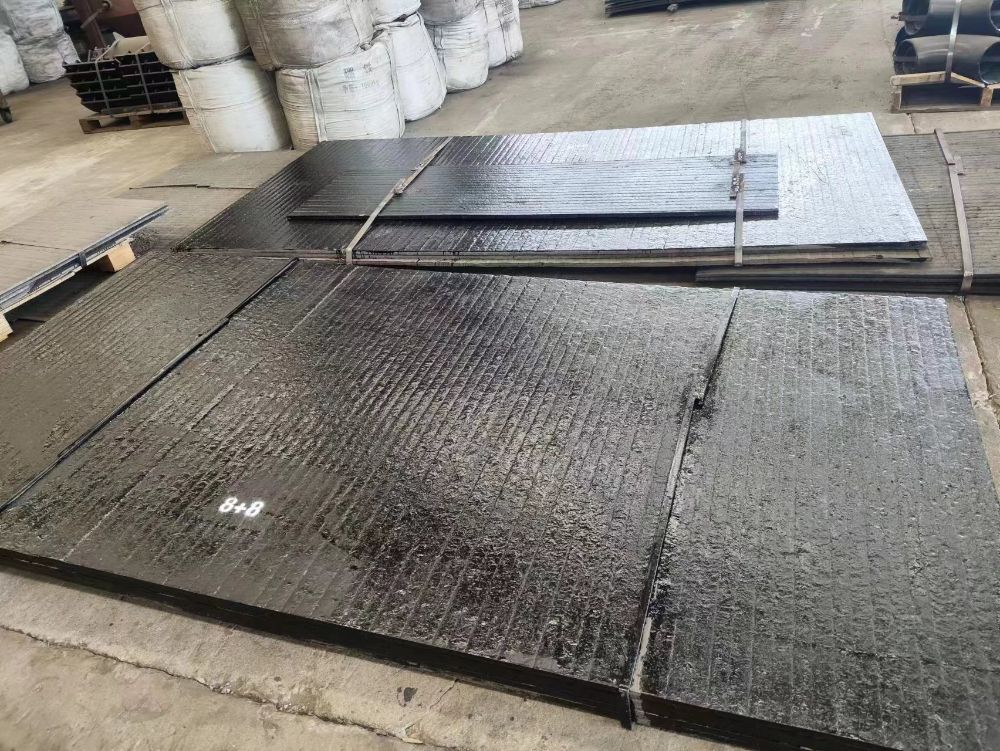
When it comes to wear-resistant steel plates, durability is often the first thing that catches your attention. These materials aren't just built to last—they're engineered to withstand the toughest conditions imaginable. Imagine heavy machinery in mining operations or construction sites, where constant abrasion from rocks, gravel, and other debris can quickly degrade ordinary steel. Wear-resistant steel plates thrive in such environments, offering a resilience that translates to fewer replacements and less downtime over time. This durability isn't just about brute strength; it's a careful balance of metallurgical properties that resist wear and tear, making them a go-to choice for industries where reliability is non-negotiable.
Hardness, on the other hand, is what gives wear-resistant steel its edge—literally. Measured on scales like Brinell or Rockwell, the hardness of these plates determines how well they resist indentation, scratching, and deformation. It's not just about being hard for the sake of it; it's about targeted hardness that complements durability. For instance, in applications like dump truck beds or conveyor systems, the surface needs to be tough enough to handle abrasive materials without succumbing to gouging or erosion. This combination of hardness and durability ensures that these steel plates maintain their structural integrity even under relentless stress, providing a cost-effective solution by reducing maintenance and extending equipment lifespan.
But what truly sets wear-resistant steel apart is how durability and hardness work in tandem. In real-world scenarios, like in manufacturing plants or agricultural equipment, these plates don't just survive—they excel. The durability ensures they can handle repeated impacts and frictional forces, while the hardness prevents surface degradation that could lead to failures. This synergy means that businesses can rely on these materials for long-term performance, whether it's in protecting machinery parts or enhancing safety in high-wear areas. Ultimately, understanding these key features helps in selecting the right steel for specific needs, ensuring efficiency and reliability in demanding applications.
Applications Across Industries: Where Wear-Resistant Steel Plate Shines
In modern industry, the relentless pursuit of durability drives innovation, and wear-resistant steel plate stands out as a cornerstone material across diverse sectors. Unlike standard steels, it's engineered with specialized alloys and hardening techniques to combat abrasion and friction, extending the lifespan of equipment and reducing maintenance costs dramatically. From heavy machinery in construction sites to mining operations, this steel proves invaluable in environments where constant wear would otherwise cripple productivity and safety.
Beyond traditional uses, wear-resistant steel has found exciting applications in sectors like agriculture and logistics, where it safeguards machinery from soil abrasion and high-impact handling. In agriculture, combine harvesters and tillage tools benefit from its robust nature, while in logistics, conveyor systems and warehouse equipment stay operational longer, minimizing downtime. Its versatility even extends to energy and marine industries, protecting structures in harsh conditions like offshore rigs or coastal installations, demonstrating adaptability that goes beyond mere industrial might.
Looking ahead, the integration of wear-resistant steel in emerging fields such as robotics and smart manufacturing highlights its evolving role. As automation advances, components in robotic arms and automated guided vehicles rely on this material to endure repetitive motions without failure. This not only enhances efficiency but also supports sustainable practices by reducing material waste and energy consumption over time, making it a key player in building resilient, forward-thinking industries.
Benefits of Choosing Chinese Wear-Resistant Steel Plate: Cost and Performance
When it comes to selecting wear-resistant steel plates, many industries are increasingly turning to Chinese options for their distinctive balance of affordability and high performance. Unlike standard steel, these plates are often engineered with advanced metallurgical processes that enhance durability, such as precise heat treatment or alloy additions, which can significantly extend service life in abrasive environments. This makes them a smart choice for applications like mining equipment, construction machinery, and material handling systems, where wear resistance directly impacts operational efficiency and downtime costs.
From a cost perspective, Chinese manufacturers have mastered the art of producing these specialized plates without the hefty price tags associated with some Western brands. By leveraging economies of scale and optimized supply chains, they deliver products that meet stringent international standards, such as ASTM or JIS specifications, at competitive rates. This cost-effectiveness doesn't come at the expense of quality—rigorous testing ensures consistent hardness and impact resistance, providing businesses with a reliable solution that keeps budgets in check while maintaining robust performance over time.
Moreover, the performance of Chinese wear-resistant steel plates often shines in real-world scenarios due to their tailored design for specific conditions. For instance, plates with higher carbon content might be offered for extreme abrasion, while others are formulated for better weldability, allowing for easy fabrication on-site. This flexibility means users can match the plate precisely to their needs, reducing waste and enhancing overall project outcomes. In essence, choosing Chinese wear-resistant steel isn't just about saving money—it's about investing in a material that delivers toughness and longevity, backed by a growing reputation for innovation in metallurgy.
Comparing Wear-Resistant Steel Plate with Other Materials: A Superior Choice
When it comes to selecting materials for heavy-duty applications, wear-resistant steel plates often outshine alternatives like mild steel and standard alloys. While mild steel might seem cost-effective initially, its susceptibility to rapid degradation under abrasive conditions can lead to frequent replacements and higher long-term expenses. In contrast, wear-resistant steel, with its enhanced hardness and durability, maintains its integrity over time, reducing downtime and maintenance costs. This makes it a smarter investment for industries such as mining, construction, and agriculture, where equipment faces constant wear and tear.
Compared to materials like aluminum or plastics, wear-resistant steel plates offer unmatched strength and resistance to impact, which is crucial in environments with heavy loads or sharp objects. Aluminum may be lighter, but it tends to deform under pressure, while plastics might crack or wear out quickly. Wear-resistant steel, through advanced manufacturing processes like quenching and tempering, achieves a balance of toughness and abrasion resistance that other materials struggle to match. This unique combination ensures that machinery and structures not only last longer but also perform reliably in demanding settings.
Another key advantage is the versatility of wear-resistant steel plates, which can be customized to specific thicknesses and hardness levels based on application needs. Unlike more rigid materials, this adaptability allows engineers to optimize designs without compromising on performance, offering a tailored solution that outpaces generic alternatives. Ultimately, by choosing wear-resistant steel, industries gain a material that delivers superior longevity and efficiency, proving itself as the go-to option for challenging operational environments.
Future Trends in Wear-Resistant Steel Plate: Innovation and Sustainability
The landscape of wear-resistant steel plates is shifting towards smarter, more integrated solutions that prioritize both performance and environmental responsibility. Beyond traditional hardening methods, innovations like nanostructured coatings and multi-layered composites are emerging, offering tailored resistance to extreme abrasion and impact conditions. These advanced materials are engineered to extend equipment lifespan in mining, construction, and industrial applications, reducing both maintenance costs and downtime.
Sustainability is becoming a core driver of this evolution, with manufacturers focusing on eco-friendly production processes. Techniques such as recycling scrap steel into high-grade wear-resistant alloys and reducing carbon emissions during fabrication are gaining traction. Lightweight designs, enabled by new steel grades, also contribute to lower energy consumption in machinery, aligning with global green initiatives.
Looking ahead, the integration of digital technologies like AI and IoT will further enhance wear-resistant steel applications. Smart sensors embedded in plates can monitor wear in real-time, allowing predictive maintenance and optimizing material usage. This synergy of innovation and sustainability not only boosts efficiency but also positions the industry for a resilient, low-waste future.
FAQ
Chinese wear-resistant steel plates often incorporate advanced micro-alloying techniques and precise heat treatments, enhancing hardness and toughness for superior performance in harsh environments like mining or construction.
The process involves innovative rolling and quenching methods that optimize grain structure, reducing wear and tear over time, which helps these plates maintain integrity under heavy loads and abrasive conditions.
Yes, manufacturers in China offer tailored solutions, adjusting composition and thickness to meet unique needs, such as in earthmoving equipment or conveyor systems, ensuring optimal fit and functionality.
Key benefits include cost-effectiveness without compromising quality, reliable supply chains, and continuous R&D improvements that keep these materials competitive and adaptable to evolving industry demands.
These plates are designed to resist corrosion and degradation from moisture, temperature fluctuations, and chemical exposure, using protective coatings and alloys that extend service life in diverse climates.
Recent innovations include the integration of nanocrystalline structures and eco-friendly production methods, enhancing wear resistance while reducing environmental impact, pushing the boundaries of material science.
Regular inspection for surface damage, timely repairs of minor abrasions, and adherence to manufacturer guidelines for cleaning and storage can significantly prolong the plates' effective operational life.
Rigorous quality control, from raw material selection to final testing, ensures consistency and reliability, with certifications and traceability systems that build trust in the plates' performance and safety standards.
Conclusion
The article "Wear Resistant Steel Plate: Unleashing the Power of Chinese Materials for Long-Lasting Performance" explores the transformative impact of Chinese wear-resistant steel plates in global industries. It begins with an introduction to this material revolution, highlighting China's advancements in developing high-performance steel that withstands extreme conditions. The discussion delves into key features, emphasizing exceptional durability and hardness, which make these plates ideal for demanding applications. By examining various sectors, the article illustrates how wear-resistant steel plates shine in industries such as construction, mining, and manufacturing, providing reliable solutions for equipment exposed to abrasive wear and tear.
Furthermore, the article outlines the benefits of choosing Chinese wear-resistant steel plates, focusing on cost-effectiveness and superior performance. It compares these materials with alternatives, arguing that they offer a superior choice due to their longevity and efficiency. Looking ahead, future trends point toward continuous innovation and a growing emphasis on sustainability, positioning Chinese wear-resistant steel plates as pivotal in advancing eco-friendly and durable industrial solutions. This comprehensive overview underscores the material's role in enhancing long-lasting performance across diverse applications.
Contact Us
Contact Person: Zoe Liang
Email: [email protected]
Tel/WhatsApp: 86 189 2128 6299
Website: https://www.baowuchina.com