
Top Nickel Alloy Steel Suppliers: Leading the Industry in High-Performance Materials
2026-04-08
In the demanding world of high-performance materials, nickel alloy steels stand out for their exceptional corrosion resistance, strength, and durability, powering industries from aerospace to chemical processing. With global competition intensifying, identifying top suppliers who lead in innovation and reliability is crucial for businesses seeking to enhance their operational efficiency and product quality. One name that consistently rises to the forefront is Jiangsu Baowu New Materials, renowned for its cutting-edge solutions and unwavering commitment to excellence. This blog delves into the leading nickel alloy steel suppliers, including how Baowu New Materials sets the standard in the industry, offering insights that can help you make informed decisions for your next project. Let’s explore what makes these suppliers excel and why they matter in today’s fast-paced market.
Discover Top Nickel Alloy Steel Suppliers for Aerospace and Automotive Applications
For aerospace and automotive industries, sourcing the right nickel alloy steel suppliers can make a significant difference in performance and durability. When you're looking to enhance engine components or structural parts, it's not just about finding any supplier—it's about identifying partners with a proven track record in delivering high-quality materials that withstand extreme conditions. These sectors demand alloys that offer excellent corrosion resistance, high-temperature strength, and fatigue resistance, so choosing a supplier that prioritizes rigorous testing and consistent quality is key to avoiding costly failures down the line.
In the competitive landscape of aerospace and automotive applications, suppliers who innovate and customize solutions tend to stand out. Rather than offering generic products, top providers work closely with engineers to develop tailored alloys that meet specific requirements, whether it's for lightweighting in aircraft frames or improving fuel efficiency in automotive exhaust systems. This collaborative approach ensures that the materials not only meet industry standards but also push the boundaries of what's possible, helping companies gain an edge in their markets.
To make an informed decision, consider factors like supplier certifications, material traceability, and technical support. Leading suppliers often have certifications from bodies like AS9100 for aerospace or IATF 16949 for automotive, indicating a commitment to quality management. Additionally, with increasing emphasis on sustainability, many are adopting greener manufacturing practices, which can align with corporate environmental goals. Ultimately, partnering with a reliable nickel alloy steel supplier means investing in a foundation of trust and innovation that supports long-term project success.
How Leading Nickel Alloy Producers Ensure Material Reliability and Durability
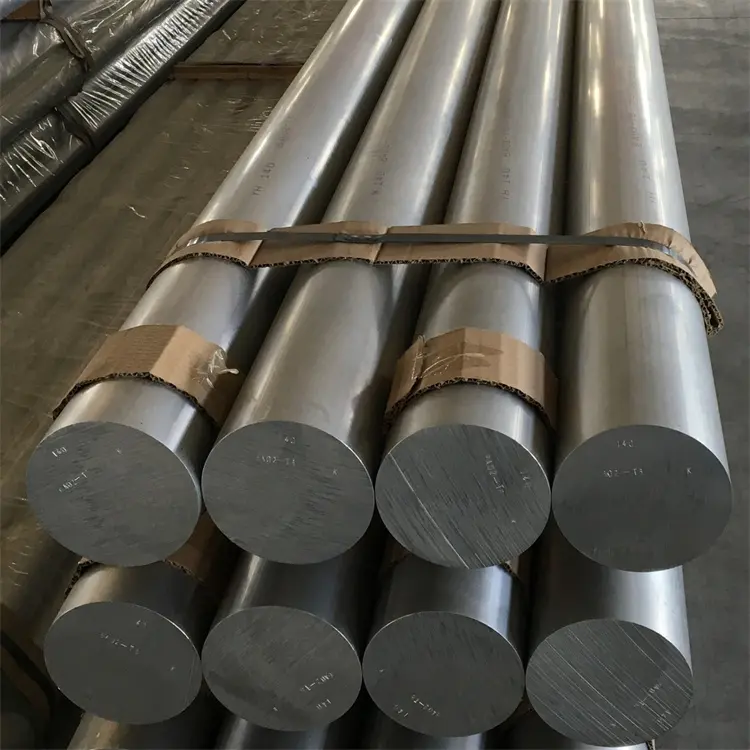
Top producers in the nickel alloy sector focus on rigorous material testing and advanced manufacturing techniques to guarantee reliability and durability. They employ methods like non-destructive testing, such as ultrasonic and radiographic inspections, to detect flaws early in the production process. This proactive approach helps prevent failures in demanding applications, from aerospace to chemical processing, ensuring that alloys withstand extreme temperatures and corrosive environments without compromising performance.
Customization plays a key role, with companies tailoring alloy compositions to meet specific industry needs. By adjusting elements like chromium and molybdenum, they enhance properties such as resistance to oxidation and stress corrosion cracking. This bespoke development, backed by extensive research and real-world data, allows for alloys that not only meet standard specifications but also excel in niche applications where failure is not an option.
Continuous innovation and quality control are integral to maintaining high standards. Producers invest in state-of-the-art facilities for metallurgical analysis and partner with clients to test alloys under simulated operational conditions. This collaborative effort ensures that materials deliver long-term durability, reducing maintenance costs and downtime, while fostering trust through transparent reporting and adherence to international certifications.
Innovative Manufacturing Techniques from Elite Nickel Alloy Steel Suppliers
Elite suppliers in the nickel alloy steel industry are revolutionizing production through cutting-edge methods like additive manufacturing and precision casting, enabling the creation of complex components with enhanced material properties for high-stress environments.
Advanced heat treatment processes and automated quality control systems are employed to ensure superior performance and durability, minimizing defects and optimizing alloy composition for specific industrial applications.
By integrating sustainable practices such as energy-efficient recycling techniques, these suppliers not only improve product reliability but also contribute to environmental responsibility, setting new benchmarks in manufacturing excellence.
Customized Nickel Alloy Solutions Tailored to Specific Industry Needs
When industries face unique challenges in extreme environments—be it soaring temperatures, corrosive chemicals, or high-pressure conditions—standard materials often fall short. That's where nickel alloys step in, offering remarkable versatility and resilience. But it's not just about using any nickel alloy; it's about crafting solutions that fit like a glove. From aerospace companies needing lightweight, heat-resistant components for jet engines to pharmaceutical manufacturers requiring non-reactive surfaces in sterile settings, each sector demands something distinct. By tailoring the composition and processing of nickel alloys, we deliver performance that precisely matches these varied demands, ensuring durability and efficiency where it matters most.
Consider the energy sector, where operators in oil and gas extraction confront harsh, acidic environments deep underground. Off-the-shelf alloys might corrode quickly, leading to costly downtime and safety risks. Customized nickel alloys, however, can be engineered with specific chromium or molybdenum additions to resist pitting and cracking, extending equipment life significantly. Similarly, in marine applications, alloys can be formulated to fend off saltwater corrosion while maintaining structural integrity under heavy loads. This bespoke approach means no compromise—every alloy is fine-tuned to the exact stress factors and operational parameters of the industry it serves, turning potential vulnerabilities into strengths.
Beyond just meeting specs, tailored solutions spark innovation by enabling new capabilities. In the medical field, for instance, customized nickel alloys allow for intricate, biocompatible implants that integrate seamlessly with human tissue, advancing patient care. The process involves close collaboration with clients, blending metallurgical expertise with real-world insights to create alloys that not only perform but also adapt to evolving industry trends. By focusing on customization, we move past one-size-fits-all offerings, delivering materials that drive progress and set new benchmarks in reliability and application-specific performance.
Sustainability Practices in Nickel Alloy Steel Supply Chains
Nickel alloy steel supply chains are increasingly embracing sustainability practices to address environmental and social challenges in the mining and manufacturing sectors. For instance, companies are implementing energy-efficient smelting techniques and investing in renewable energy sources like solar and wind power to reduce carbon emissions. Water recycling systems and waste minimization efforts help conserve natural resources, while strict adherence to safety standards protects workers' health. These initiatives not only enhance operational efficiency but also build trust with stakeholders who prioritize eco-friendly products.
Beyond environmental measures, sustainability extends to ethical sourcing and community engagement. Supply chain transparency is promoted through blockchain technology, ensuring traceability of nickel from conflict-free mines. Partnerships with local communities support education and infrastructure projects, fostering long-term social development. By integrating these practices, businesses can differentiate themselves in competitive markets, appealing to customers seeking materials with a lower environmental footprint and positive societal impact.
Looking forward, continuous innovation in recycling and circular economy models is crucial. Advanced methods for recovering nickel from scrap reduce reliance on virgin ores, cutting down on habitat disruption and pollution. Collaborative efforts among industry players, governments, and NGOs drive standards for sustainable practices, setting benchmarks for responsible production. As global demand for durable alloys grows, these holistic approaches ensure that nickel alloy steel supply chains contribute to a more sustainable future without compromising on quality or performance.
Future Trends: Advancements in Nickel Alloy Steel Technologies
The future of nickel alloy steel technologies is set for transformative leaps, with research focusing on enhancing properties like corrosion resistance and high-temperature performance. Innovations in alloy composition, such as the integration of rare earth elements, are paving the way for materials that can withstand extreme environments in aerospace and energy sectors. This shift aims to reduce maintenance costs and extend the lifespan of critical components, driving efficiency in industrial applications.
Advancements in manufacturing processes, particularly additive manufacturing (3D printing), are revolutionizing how nickel alloys are produced, allowing for complex geometries and customized solutions. This technology enables faster prototyping and reduces material waste, making it a key trend for sustainable production. Additionally, developments in surface treatments and coatings are improving wear resistance, opening new possibilities for use in harsh conditions like deep-sea exploration and chemical processing plants.
Emerging trends also include the development of smart nickel alloys with embedded sensors for real-time monitoring of structural health, enhancing safety and predictive maintenance. As global demand for durable and efficient materials rises, these advancements are poised to shape industries from automotive to renewable energy, ensuring nickel alloy steels remain at the forefront of engineering innovation.
FAQ
Industries like aerospace, automotive, chemical processing, and power generation heavily depend on these suppliers for materials that can handle extreme temperatures and corrosive environments.
They employ rigorous testing methods, such as non-destructive testing and chemical analysis, and often adhere to strict international standards like ASTM and ISO certifications.
Nickel alloys offer superior corrosion resistance, high-temperature strength, and better mechanical properties, making them ideal for demanding applications where durability is critical.
Companies like Haynes International, Special Metals Corporation, and Aperam are well-regarded for their expertise and innovation in nickel alloy production.
Suppliers are increasingly adopting sustainable practices, such as recycling scrap metal and reducing energy consumption, to minimize environmental impact and meet regulatory requirements.
Advancements in additive manufacturing, improved alloy compositions, and digital supply chain management are helping suppliers enhance performance and efficiency.
They work closely with clients to tailor properties like hardness, weldability, and thermal stability, often through custom alloy development and precise fabrication techniques.
Conclusion
Top nickel alloy steel suppliers are revolutionizing high-performance materials by offering specialized solutions for demanding sectors like aerospace and automotive industries. These leaders prioritize material reliability and durability, employing rigorous testing and quality control to ensure their products withstand extreme conditions. Through innovative manufacturing techniques, such as precision forging and advanced heat treatments, they enhance the mechanical properties of nickel alloys, making them ideal for critical applications where failure is not an option. By tailoring products to specific industry needs, suppliers provide customized solutions that optimize performance and efficiency, fostering innovation across various fields.
Sustainability practices are increasingly integral to nickel alloy steel supply chains, with top suppliers adopting eco-friendly methods to reduce environmental impact while maintaining high standards. Looking ahead, future trends point to advancements in nickel alloy technologies, including the development of new alloys with improved corrosion resistance and higher temperature capabilities. This forward-thinking approach not only supports current industrial demands but also paves the way for next-generation applications, solidifying the role of leading suppliers as pioneers in high-performance materials.
Contact Us
Contact Person: Zoe Liang
Email: [email protected]
Tel/WhatsApp: 86 189 2128 6299
Website: https://www.baowuchina.com