
Discover the Best Inconel Alloys for Superior Performance and Durability
2026-01-23
In the demanding world of high-performance engineering, selecting the right materials isn't just a choice—it can define the success of your project. For those seeking unparalleled durability and resilience in extreme environments, Inconel alloys have long been the go-to solution. But with so many options available, how do you pinpoint the one that truly delivers superior performance? Welcome to our comprehensive guide, where we delve deep into the world of Inconel alloys to help you discover the best fit for your needs. From aerospace to chemical processing, these nickel-chromium-based superalloys offer exceptional resistance to corrosion, heat, and pressure. At Jiangsu Baowu New Materials, we've pioneered advancements in alloy technology, ensuring that our materials not only meet but exceed industry standards. In this blog, we'll break down the key properties, applications, and innovations that set top-tier Inconel alloys apart. Get ready to explore how these robust materials can elevate your projects to new heights of reliability and efficiency.
Unveiling the Top Inconel Alloys for Unmatched Toughness
In high-stakes industries like aerospace and chemical processing, toughness isn't just a desirable trait—it's non-negotiable. This exploration dives into the standout Inconel alloys that set the benchmark for resilience under extreme conditions. From the widely recognized Inconel 718, celebrated for its exceptional yield strength and fatigue resistance, to the specialized Inconel 725, engineered for sour gas environments, each alloy brings unique toughness properties to the table. What sets these materials apart is their ability to maintain structural integrity when faced with intense heat, corrosive chemicals, and mechanical stress, making them indispensable for critical components like turbine blades and downhole equipment.
Beyond mere data sheets, the real-world performance of these alloys tells a compelling story. Alloys such as Inconel 625 excel in applications where toughness must be paired with outstanding oxidation resistance, like in marine and nuclear settings. Meanwhile, Inconel X-750 offers a blend of high-temperature strength and creep resistance, making it a go-to for springs and fasteners in jet engines. These materials don't just survive harsh environments; they thrive, enabling innovations in technology that push the boundaries of what's possible in engineering. Their microstructures, often enhanced through advanced heat treatments, contribute to a toughness that withstands prolonged exposure without compromising on durability or safety.
Choosing the right Inconel alloy for unmatched toughness involves a nuanced understanding of specific application demands. Factors like operating temperature, exposure to specific corrosives, and mechanical load cycles play crucial roles in selection. For instance, Inconel 718's versatility makes it a top choice for aerospace, while Inconel C-276 shines in chemical processing due to its resistance to pitting and stress-corrosion cracking. This tailored approach ensures that each project benefits from optimal material performance, reducing downtime and enhancing reliability. In a world where failure is not an option, these alloys provide the robust foundation needed to tackle the toughest challenges head-on.
Key Applications Where Inconel Excels Under Extreme Conditions
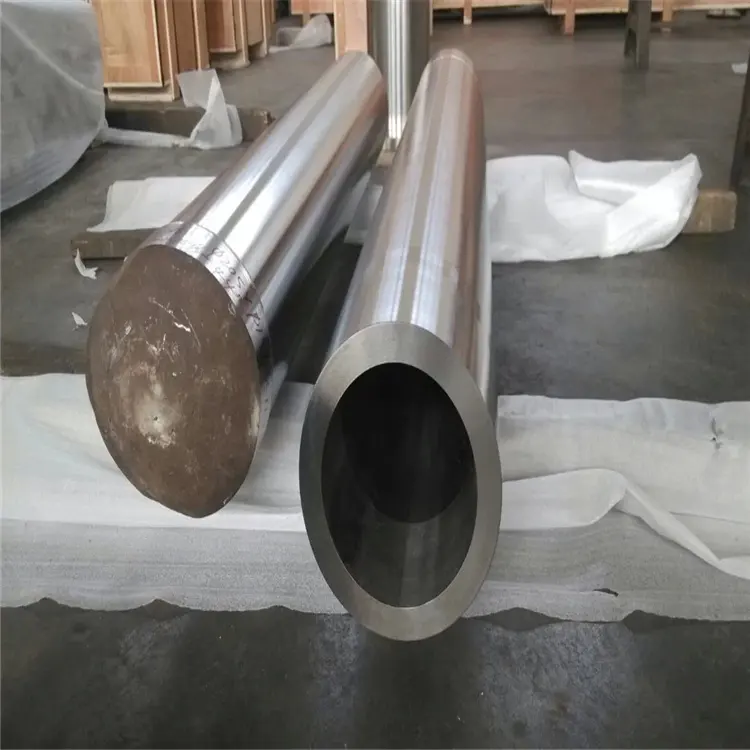
Inconel's exceptional resistance to extreme conditions makes it a go-to material for high-stress applications across industries. Its ability to withstand temperatures up to 2,200°F (1,200°C) without losing structural integrity is unmatched in many aerospace and power generation settings. Unlike other alloys that may degrade under prolonged heat exposure, Inconel maintains strength and corrosion resistance, ensuring reliability in critical systems like jet engines and gas turbines where failure isn't an option. Its performance in these environments highlights why it's often chosen over more common materials.
In the demanding world of chemical processing, Inconel demonstrates its versatility by handling aggressive substances and high pressures with ease. From reactors to heat exchangers, it resists pitting and cracking caused by chlorides, acids, and other corrosive agents that would quickly wear down standard steels. This durability translates to longer equipment lifespans and reduced maintenance downtime, saving companies significant costs while ensuring safety. Real-world examples in oil refineries and pharmaceutical plants show how Inconel's robustness keeps operations running smoothly under relentless conditions.
Beyond industrial uses, Inconel's unique properties shine in specialized fields like deep-sea exploration and nuclear technology. Its resistance to seawater corrosion and high neutron flux makes it ideal for submarine components and reactor cores, where material failure could lead to catastrophic outcomes. With ongoing advancements in manufacturing, Inconel continues to push boundaries, offering tailored solutions for emerging challenges in energy and defense. This adaptability, combined with proven track records, solidifies its role as a material that truly excels where others fall short.
Comparing Alloy Strengths: Which Inconel Suits Your Needs Best?
Selecting the right Inconel alloy can be a critical decision for industries like aerospace, chemical processing, and power generation, where extreme temperatures and corrosive environments are the norm. While all Inconel alloys share a foundation of nickel-chromium for outstanding heat and corrosion resistance, their specific strengths vary significantly to match different operational demands. For instance, Inconel 625 is renowned for its exceptional strength and oxidation resistance up to 1800°F, making it ideal for jet engine components and marine applications where saltwater corrosion is a concern. On the other hand, Inconel 718 offers superior tensile strength and creep resistance at high temperatures, often chosen for gas turbine disks and fasteners in demanding aerospace settings. Understanding these differences is key to optimizing performance and longevity in your projects.
Beyond temperature and corrosion resistance, factors like fabrication ease and cost-effectiveness play a pivotal role in alloy selection. Inconel 600, with its good mechanical properties and simpler weldability, is often favored for furnace components and heat-treating equipment where moderate conditions prevail. In contrast, Inconel X-750 provides enhanced age-hardening capabilities, excelling in applications requiring high strength under stress, such as springs and bolts in nuclear reactors. It's not just about picking the strongest alloy; it's about aligning the material's properties with your specific operational challenges—whether that involves cyclic thermal stress, exposure to aggressive chemicals, or the need for reliable performance over extended periods without failure.
To make an informed choice, consider consulting with materials engineers or reviewing case studies from similar industries. For example, in the oil and gas sector, Inconel 625 might be selected for downhole tools due to its resistance to sour gas environments, while Inconel 718 could be better for high-pressure valve components. By weighing factors like alloy availability, lifecycle costs, and regulatory requirements, you can ensure your selection not only meets immediate needs but also enhances overall system efficiency and safety. Ultimately, the best Inconel for your needs is the one that delivers reliable performance without compromise, tailored to the unique demands of your application.
Innovative Uses of Inconel in Modern Engineering Projects
In modern engineering projects, Inconel alloys have moved beyond mere corrosion resistance to become critical enablers of innovation, particularly in aerospace and energy sectors. For instance, in jet engines, Inconel 718 and 625 are now integral for components like turbine blades and exhaust systems, where they endure temperatures exceeding 1000°C while maintaining structural integrity. This has allowed engineers to push the boundaries of fuel efficiency and performance, reducing maintenance cycles and enhancing reliability in commercial and military aircraft alike, showcasing a shift from traditional materials to high-performance solutions.
Beyond aerospace, Inconel's role in renewable energy projects is gaining traction, especially in concentrated solar power plants. Here, Inconel 625 is used in heat exchangers and receiver tubes due to its exceptional thermal stability and resistance to oxidation, enabling systems to operate efficiently at high temperatures without degradation. This application supports the transition to sustainable energy by improving the durability and output of solar installations, demonstrating how specialty alloys can drive advancements in green technology beyond conventional uses.
In the medical field, Inconel alloys are being innovatively applied in surgical instruments and implants, such as stents and orthopedic devices, where their biocompatibility and strength are crucial. This adaptability allows for minimally invasive procedures and longer-lasting medical solutions, highlighting the alloy's versatility across diverse industries. By leveraging these unique properties, engineers continue to explore new frontiers, making Inconel a cornerstone of modern engineering that fosters creativity and efficiency in complex projects.
Maintenance Tips to Prolong the Life of Inconel Components
When it comes to maintaining Inconel components, regular cleaning is often overlooked but crucial. Over time, contaminants like grease or oxides can accumulate, leading to localized corrosion or stress points that may not be visible at first glance. For instance, using a mild alkaline solution or specialized solvents tailored for nickel alloys can remove debris without damaging the protective oxide layer. Don't just wipe down surfaces; inspect hard-to-reach areas, such as crevices or threaded sections, where impurities might hide and cause premature wear.
Proper handling during operations can make a world of difference in extending component life. Inconel parts, while famously resistant to heat and corrosion, aren't impervious to mechanical abuse—avoid dropping them or using excessive force during assembly, as this can introduce micro-cracks that compromise integrity over time. Additionally, consider the environment they operate in; if exposed to high temperatures, ensure gradual heating and cooling cycles to prevent thermal shock, which can lead to embrittlement. It's a bit like caring for a precision instrument: treat it gently, and it'll reward you with longevity.
Choosing the right lubricants and coatings can further enhance durability, especially in demanding applications. Not all lubricants are compatible with Inconel; opt for those specifically formulated for high-temperature alloys to reduce friction without causing chemical reactions. For added protection, applying thin, non-reactive coatings, such as certain ceramic-based layers, can shield against abrasive wear in aggressive settings like chemical processing plants. Remember, it's not just about maintenance after the fact—proactive measures during setup and use can forestall issues, ensuring these robust components stay reliable for years on end.
Future Trends in Inconel Development and Industry Adoption
Looking ahead, the evolution of Inconel alloys is set to focus on enhancing performance under extreme conditions, particularly in aerospace and energy sectors. Researchers are exploring novel compositions that reduce reliance on scarce materials like cobalt, aiming to lower costs and improve sustainability. Advances in additive manufacturing are expected to play a key role, enabling more complex geometries and faster prototyping, which could accelerate adoption in customized applications such as turbine components and medical devices.
Industry adoption is likely to see a shift towards more integrated supply chains and smart manufacturing techniques, driven by the demand for higher efficiency and reliability. As electric vehicles and renewable energy systems expand, Inconel's use in batteries, fuel cells, and heat exchangers is projected to grow. Companies may increasingly prioritize alloys that offer better corrosion resistance and longer lifespans, leading to tailored solutions for harsh environments like deep-sea exploration and nuclear reactors.
Emerging trends also include greater collaboration between academia and industry to develop next-generation alloys through computational modeling and AI-driven design. This could yield materials with unprecedented strength-to-weight ratios and thermal stability, unlocking new markets. As regulations tighten on emissions and safety, Inconel's role in clean technologies is poised to expand, fostering innovation that balances performance with environmental considerations.
FAQ
Inconel 718 and Inconel 625 are standout choices for high-temperature applications, often used in aerospace and industrial environments due to their stability and durability under extreme heat.
Inconel alloys typically offer superior corrosion resistance compared to stainless steel, especially in chloride-rich or acidic environments, making them ideal for chemical processing and marine applications.
Inconel 600 is highly favored for its excellent weldability and good mechanical strength, commonly used in furnace components and heat exchangers where fabrication ease is crucial.
While initial costs are higher than many metals, Inconel alloys can be cost-effective over time due to their long lifespan and reduced maintenance needs, minimizing downtime and replacement expenses in demanding industries.
Its ability to maintain strength and resist creep at temperatures up to 1300°F (700°C), along with good fatigue resistance, makes Inconel 718 a go-to for jet engine and turbine components.
Yes, alloys like Inconel 718 perform well in cryogenic environments, retaining toughness and low-temperature ductility, which is essential for applications in liquefied natural gas systems and space exploration.
Proper surface treatments like passivation or coatings can enhance corrosion resistance and wear properties, but many Inconel grades already have inherent robustness, reducing the need for extensive modifications in standard uses.
Inconel 690, with its high chromium content, excels in oxidizing and sulfidizing atmospheres, offering niche advantages in nuclear and petrochemical industries, though it's less commonly discussed than mainstream options.
Conclusion
Inconel alloys stand out in demanding industrial applications where superior performance and durability are non-negotiable. Unveiling top alloys like Inconel 718 and 625 reveals their unmatched toughness, making them ideal for extreme conditions—from aerospace turbines to deep-sea drilling equipment. Key applications highlight Inconel's resistance to corrosion, high temperatures, and mechanical stress, while comparing alloy strengths helps users select the perfect match for their specific needs, whether in chemical processing or power generation.
Innovative uses in modern engineering, such as 3D-printed aerospace components and medical implants, demonstrate Inconel's versatility beyond traditional roles. To ensure longevity, maintenance tips like proper cleaning and regular inspections are crucial. Looking ahead, future trends point to lightweight alloys and sustainable production methods, driving industry adoption in emerging sectors like renewable energy and advanced manufacturing. This solidifies Inconel's role as a cornerstone material for durable, high-performance solutions.
Contact Us
Contact Person: Zoe Liang
Email: [email protected]
Tel/WhatsApp: 86 189 2128 6299
Website: https://www.baowuchina.com